
ISW explained how Russia has changed its tactics for massive strikes against Ukraine
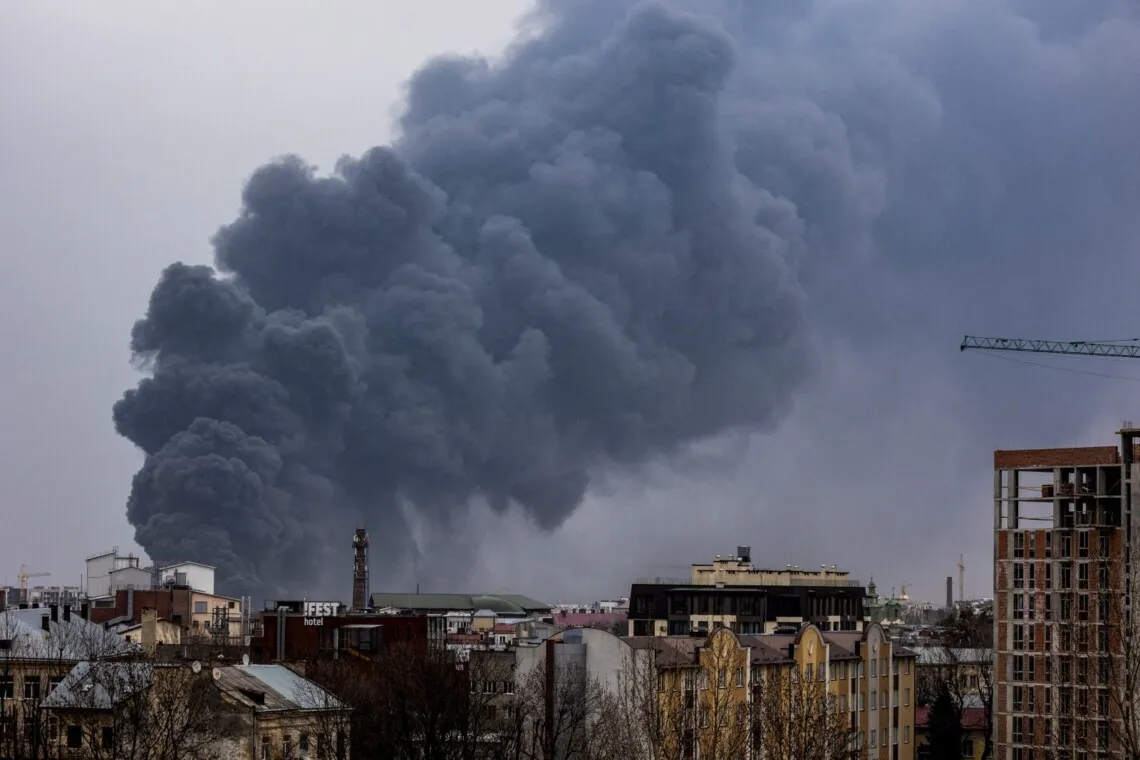
Russia has begun to more frequently combine waves of drones and missiles, concentrating its strikes on a limited number of targets. According to the Institute for the Study of War (ISW), this tactic increases the strain on Ukraine’s air defense and may be part of preparations for winter attacks on critical infrastructure.
On the night of October 7, Russian forces launched a massive combined strike against Ukraine. According to data from the Ukrainian Air Force cited by the ISW, the occupiers deployed 48 cruise missiles of the Kh-101, “Iskander-K,” or “Kalibr” types, as well as 130 attack drones and decoy drones. Among the drones, 46 were jet-powered. Russia also launched an unknown number of ballistic and anti-ship missiles.
The main targets of the attack were the Kyiv, Kharkiv, Poltava, and Dnipropetrovsk regions. The Russian strikes resulted in civilian deaths and injuries, including children, as well as damage to civilian and critical infrastructure.
Analysts noted that Russian military bloggers discussed the use of several waves of missiles and drones against a limited number of targets. One of them claimed that about 30 cruise missiles were launched at Kremenchuk, Oleksandriya, and Svitlovodsk. The ISW cites this figure as an estimate by a Russian blogger, not as independently verified data.
According to experts, concentrating these weapons allows Russia to place significant pressure on Ukrainian air defense systems in specific areas and increase the chances of striking specific targets.
The ISW attributes this change in tactics to the development of Russian “Geran”-type jet-powered drones. Analysts estimate that technological improvements to these drones allow Russian forces to concentrate cruise and ballistic missiles on a smaller number of priority targets without significantly increasing missile expenditure.
Experts believe that Russia will likely employ this strategy during a winter campaign of strikes against Ukraine’s energy infrastructure in 2026–2027.
“Russia’s advantage in jet-powered drones contributes to the increasingly concentrated, brutal, and deadly tactics of Russia’s strike campaign,” ISW analysts note. According to their assessment, such attacks increase pressure on Ukraine’s air defenses, damage critical infrastructure, and worsen living conditions for the civilian population.
The report also discusses the Kremlin’s intention to wear down Ukrainians through constant shelling, to intensify fear and uncertainty, and to inflict further damage on the economy. Moscow likely expects that the deterioration of daily living conditions will force Ukraine to agree to Russian demands. At the same time, the ISW emphasizes that this strategy has not produced the desired result for Russia in the past and is unlikely to work this winter.
Source: ISW
As a reminder, Russia has modernized the Geran-4 drone, equipping it with new navigation systems and a warhead.
The Russians carried out 172 attacks in the past 24 hours: the Pokrovsk direction remains the hottest.
Over the past 24 hours, 185 combat engagements took place on the front lines, and the enemy deployed 156 guided bombs, according to the General Staff.




