
Occupied Energodar is facing a shortage of goods and a sharp rise in prices
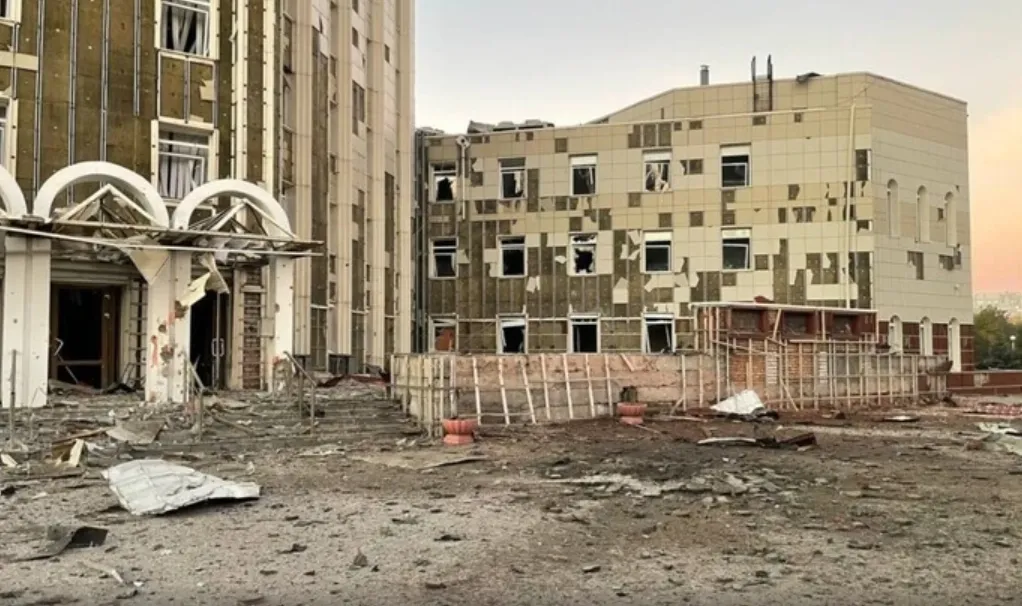
In the occupied city of Energodar in the Zaporizhzhia region, there have been problems with the supply of essential goods. Due to logistical challenges, fuel, food, medicine, and hygiene products are significantly more expensive than in other occupied areas.
Dmytro Orlov, the mayor of Energodar, spoke about this in an interview with “Glavkom.”
According to him, delivering goods to the city is difficult due to the security situation, and truck drivers do not feel safe during transport. This leads to speculation and rising prices.
“When logistics are complicated, speculation takes hold,” Orlov explained.
He also noted that Russian occupiers are monitoring residents’ contacts with territory controlled by Ukraine. Therefore, city authorities receive information about the situation in Energodar primarily through relatives and acquaintances.
“However, this does not mean there is no information: it comes through relatives and acquaintances,” the mayor said.
Separately, Orlov commented on reports of possible landmines on roads around the city. He emphasized that there is currently no confirmed data to verify the accuracy of this information.
Before the full-scale invasion, approximately 53,000 people lived in Energodar. Russian troops captured the city in early March 2022.
Source: “Glavkom” (interview with Dmytro Orlov)
In the temporarily occupied territories of Ukraine, Russia continues to conduct “training” for teachers. This time, 40 collaborating teachers from Energodar and nearby villages received “retraining” diplomas.
On October 4, around 7 a.m., a car belonging to a war criminal—Andriy Yuriyovych Korotkyi, the “head of physical security” at the Zaporizhzhia Nuclear Power Plant—exploded in the temporarily occupied city of Energodar.
In the temporarily occupied city of Energodar, drones attacked the “Raduga” power distribution substation. Representatives of the temporarily occupied Zaporizhzhia Nuclear Power Plant (ZNPP) reported the situation to experts from the International Atomic Energy Agency (IAEA).




