
Russia Is Modernizing Its Missiles for Larger-Scale Strikes on Ukraine – ISW
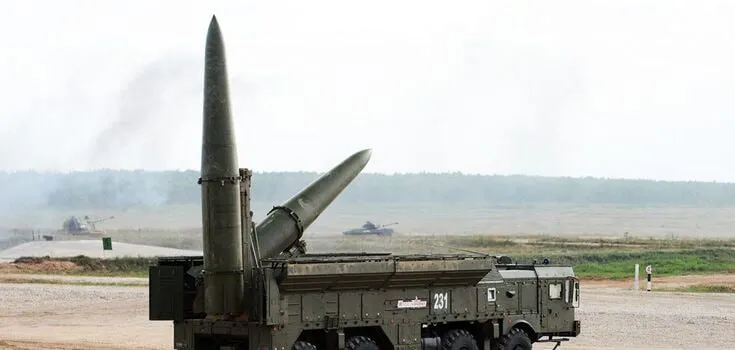
Russian forces are modernizing their anti-aircraft and ballistic missiles to expand the scope of their attacks on Ukraine and increase the accuracy of strikes against key transportation infrastructure. Among the occupiers’ priority targets are bridges, particularly in Kyiv.
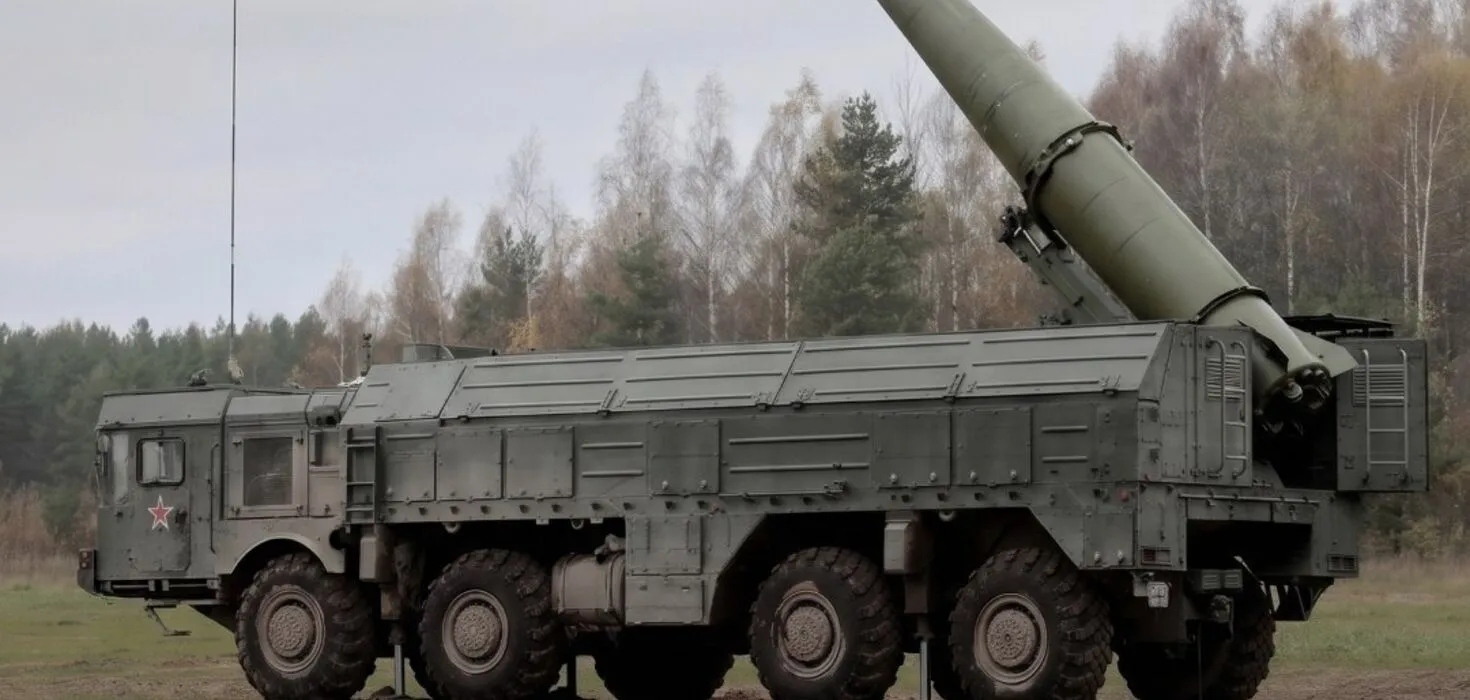
Analysts note that Russia is adapting outdated anti-aircraft missiles for strikes against ground targets and is also improving the guidance systems of its “Iskander-M” ballistic missiles.
Russia Is Converting Anti-Aircraft Missiles and Upgrading “Iskander-M” Missiles
In particular, a Russian military publication reported on November 9 that the occupiers may have used modified RM-48U anti-aircraft missiles, launched from S-300 and S-400 systems, to strike the North and South Bridges in Kyiv on November 7 and October 27, respectively.
According to the publication’s assessment, the use of such missiles allows Russia to rely less on expensive “Iskander-M” ballistic missiles. At the same time, the modified RM-48Us are less accurate than the Iskander-Ms. According to Reuters, citing the Office of the Prosecutor General of Ukraine, Russian forces began using large numbers of modified RM-48Us in July 2026. In July and August, they accounted for more than half of the 228 ballistic and hypersonic missiles fired at Ukraine.
In addition, Serhiy “Flash” Beskrestnov, reported on November 8 that the Russians had modified “Iskander-M” ballistic missiles by equipping them with radar and optical guidance systems for the terminal phase of flight. According to him, this allows for strike accuracy of up to one meter and enables precision strikes on Ukrainian bridges.
Russia is developing a new variant of the “Geran-5” strike drone
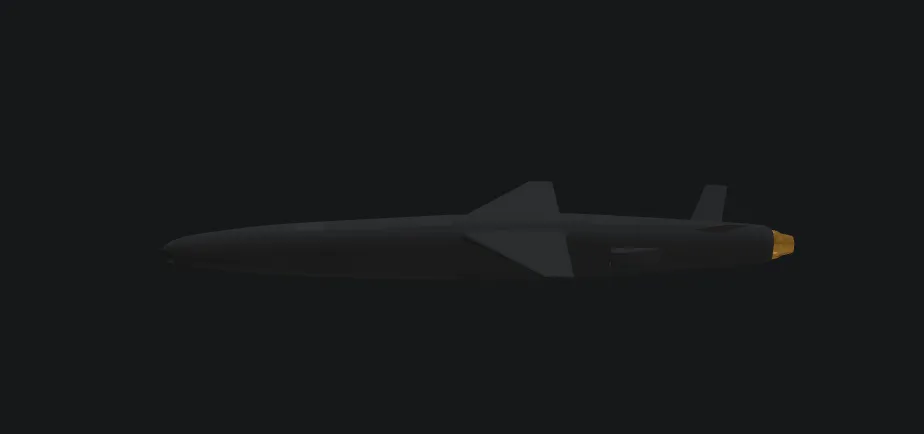
On November 9, the Main Intelligence Directorate of the Ukrainian Ministry of Defense reported that Russia had begun deploying a new variant of the long-range “Geran-5” strike drone—the “Geran-5 K5-K.” The Main Intelligence Directorate classified it as a small-sized cruise missile based on its aerodynamic and technical characteristics.
According to Ukrainian intelligence, the new drone is shorter than the standard "Geran-5" and has a smaller wingspan. Its maximum cruising speed is 450 km/h, its range is up to 1,000 km, and its warhead weighs 90 kg. Russia has also equipped these drones with thermobaric warheads, which are likely to increase the destructive power.
The ISW notes that since mid-2026, Russian forces have begun including inexpensive and maneuverable quasi-winged missiles, specifically the “Banderol” and Dan-Ts, in their strike packages. Such weapons occupy an intermediate position between slow strike drones and cruise missiles, complicating the work of Ukrainian air defense.
Analysts believe that Russia will continue to develop quasi-winged missiles, jet-powered drones, and more destructive variants of strike drones. The occupiers are likely seeking to inflict as much damage as possible on Ukraine’s logistics, transportation, and energy infrastructure during the 2026–2027 winter campaign of strikes.
Russia is intensifying attacks on Ukraine’s transportation infrastructure
ISW analysts note that in October and November 2026, Russia intensified its strikes on bridges, particularly in Kyiv and Zaporizhzhia. The occupiers are likely attempting to disrupt Ukraine’s economy and create additional hardships for the civilian population.
Improvements to anti-aircraft and ballistic missiles, as well as the development of new types of strike drones, indicate that Russia is focusing on increasing the power of its long-range strikes and improving their accuracy.
This is stated in a report by the Institute for the Study of War (ISW).
The Main Intelligence Directorate (GUR) has disclosed information about Russian companies that manufacture missiles for the Pantsir systems.
As a reminder, the Orsk Oil Refinery in the Orenburg region of Russia has completely halted operations following an attack by Ukrainian drones.




