
Russian attack helicopters have been equipped with a new, extremely dangerous missile
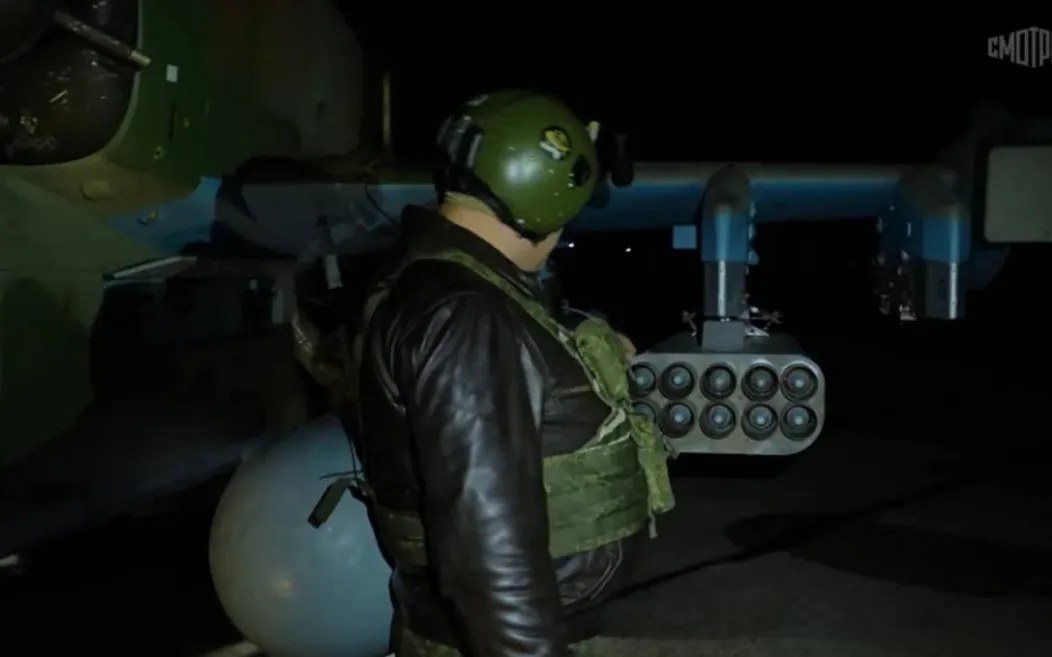
Russian Ka-52 attack helicopters have been equipped with S-8VTs air-to-air missiles designed to engage aerial targets. Photographs published by Russian social media accounts—which were highlighted by the “Military” portal—provide evidence of their use.
Upon detonation, the missile forms a cloud of projectiles designed to destroy drones.
Its operating principle resembles that of the American APKWS, but the Russian design likely utilizes data from an onboard radar station and remote detonation.
The S-8VTs is based on the Soviet S-8 unguided rocket with an 80-mm caliber. The stated engagement range is between 400 and 1,500–4,000 meters, depending on the type of helicopter. The munition features a fragmentation-high-explosive warhead with a programmable fuze.
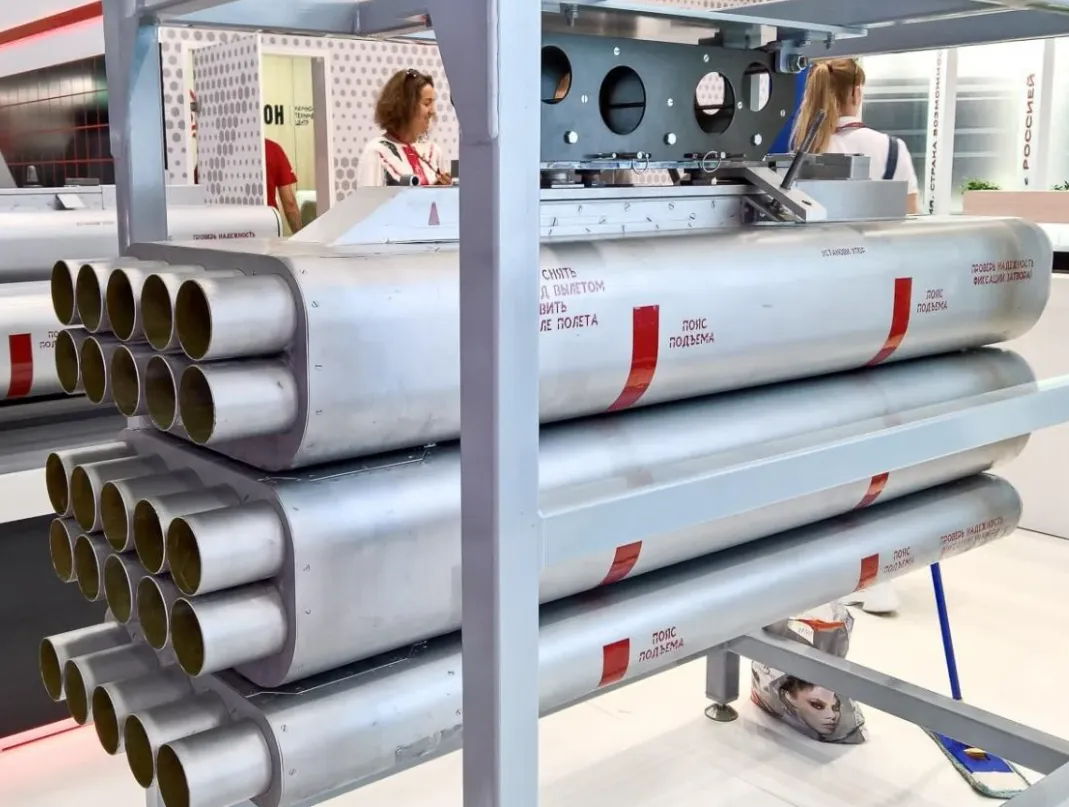
The missile was developed for use from Ka-52M, Mi-8AMTSh-V, and Ka-29 helicopters. However, the footage released shows a Ka-52.
The emergence of such a weapon could complicate the operations of Ukrainian strike drones, which are used to attack military targets in the Russian rear. However, information regarding the missile’s specifications and guidance system requires independent confirmation.
Source: Military
Russia plans to conduct final tests by the end of this year on a new type of ballistic missile with a range of up to 800 kilometers, which it could use to strike targets in western Ukraine. The aggressor state is increasing the intensity of its missile and drone strikes, seeking to ramp up ballistic missile production, and working to extend the range of its weapons.
Russia conducted a training and combat launch of a mobile-based solid-fuel intercontinental ballistic missile.
Russia has launched serial production of the new S8000 “Banderol” light cruise missile following the completion of its testing. Research indicates that the design of the missile continues to evolve, as the 2026 models differ significantly from the 2025 versions.




