
A Kadyrov associate pretended to be Ukrainian to obtain a Romanian passport
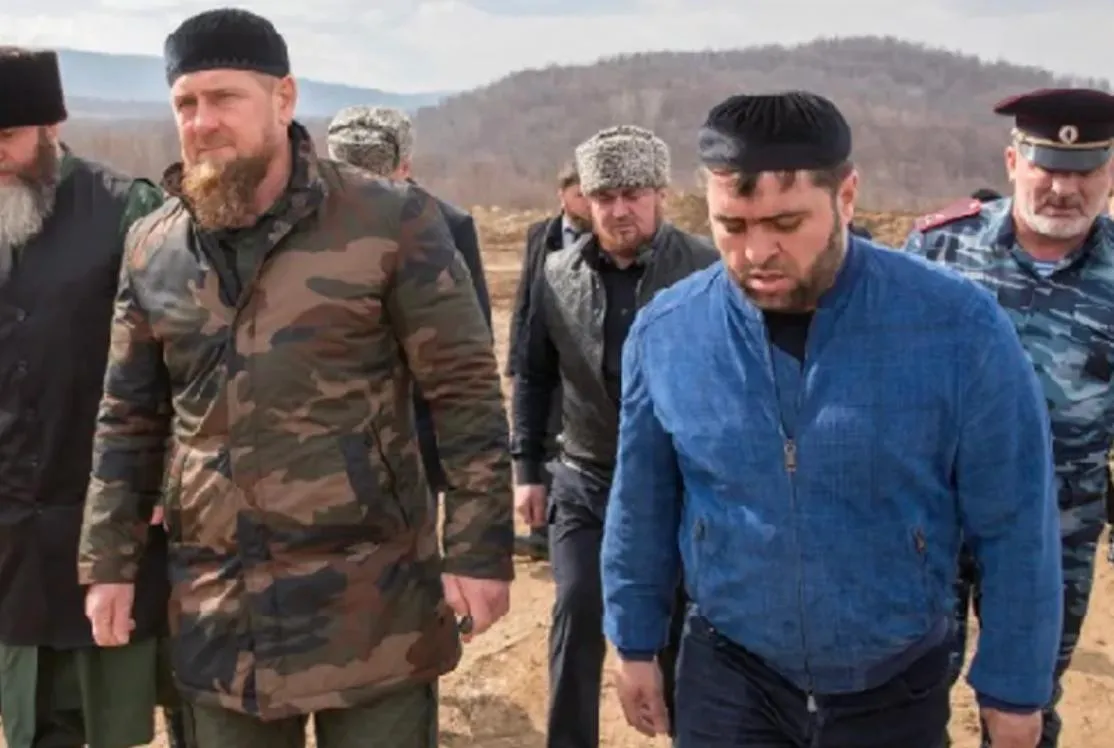
A joint international journalistic investigation has uncovered dozens of Russians who illegally obtained Romanian citizenship by posing as Ukrainian citizens and using forged documents.
The investigation, based on an analysis of 55 court cases involving the revocation of such documents, was conducted by The Kyiv Independent, Public Record, Cu Sens, Follow the Money, Le Monde, and the Jan Kuciak Investigative Center. Among those implicated is 43-year-old Mairbek Abdulazizov, a close associate of Chechen leader Ramzan Kadyrov, who, according to the journalists, provided an address in Kyiv and copies of Ukrainian documents issued in 2020, and received a Romanian citizenship certificate with discrepancies in the oath-taking notation and the diplomatic mission’s seal, although he himself denies possessing a Romanian passport.
Among the other participants in the scheme is Dmitry Rudenko, the former head of the St. Petersburg defense enterprise FGUP SKTB “Technolog,” who is under investigation in Russia for money laundering and is subject to Ukrainian sanctions; In February 2024, he submitted an application as a Ukrainian citizen, listing the university building as his address in Kyiv. A number of other individuals also submitted applications under the guise of being Ukrainians, including Beslan Magomadov, the former regional director of “Beeline” in Grozny; Alexander Yefimov, an employee of an investment company; Samara businessman Alexei Bogachev; and Nurutdin Dadaev, who appears on Rosfinmonitoring’s list of terrorists and extremists. In addition, the case files mention Kirill Seleznyov, a former member of Gazprom’s board of directors, whose case—along with those of 15 other Russians—was referred to court in October, as well as four founders of the “AllatRa” organization, who moved to Slovakia after the start of the full-scale war and are accused of treason in Ukraine.
According to investigators, intermediaries exploited the procedure for restoring Romanian citizenship by descent and sold forged citizenship certificates for 50,000–70,000 euros, which were subsequently used to obtain official identity documents and passports. Against this backdrop, the number of applications from Russians rose from 1,947 in 2021 to 6,658 in 2023, and at least 300 people, predominantly Russian citizens, used the forged certificates.
Source: Agency.
The European Commission is once again proposing to ban Russian citizens who participated in combat operations from entering the European Union. European Commission President Ursula von der Leyen announced this initiative during the presentation of the draft 22nd sanctions package.
Estonian Prime Minister Kristen Michal supported the European Commission’s proposed ban on issuing visas to former participants in Russia’s war against Ukraine. Mihail called this initiative an important step, commenting on it on the social media platform X with a short phrase: “Stay home. Wait for your trial.”
On November 23, Ukrainian Foreign Minister Andriy Sibiga stated that the EU-wide ban on entry into the European Union for Russian military personnel should take effect immediately and without further delay, noting that this should have happened yesterday.




