
Britain prepares to use facial recognition for immigration control — The Guardian
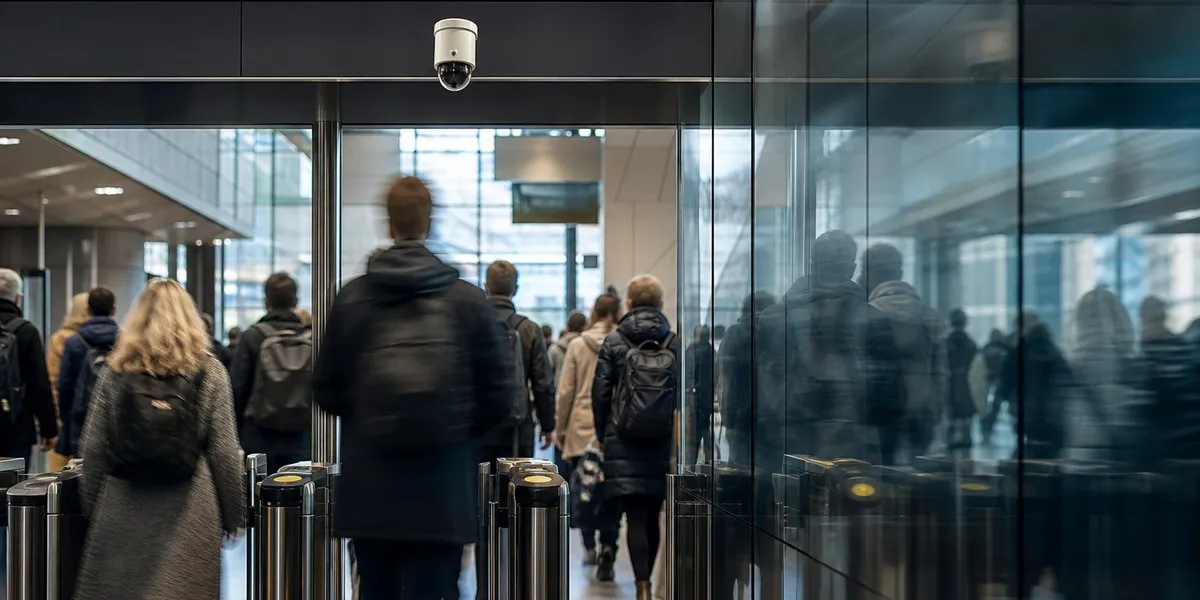
The UK Home Office is preparing to use facial recognition technology at transport hubs and during public events for immigration control. As The Guardian reports, the government is developing a programme to use live facial recognition cameras for general immigration control, including for non-criminal breaches of immigration rules.
Who may be added to watchlists
The technology is planned to be used to identify people attempting to re-enter the country unlawfully, individuals subject to removal action, and to tackle other immigration-related offences. Watchlists could potentially include people who have overstayed their visas or entered the UK without permission. Such violations are civil rather than criminal in nature.
The Home Office said the cameras should help establish the whereabouts of undocumented people and consider their cases. According to the department, this will reduce the need for repeated checks at home addresses or workplaces. People under the age of 18 will not be included on facial recognition watchlists.
More current news is available on the UA.News Telegram channel Telegram.
Trials and further plans
From November last year to February, immigration enforcement conducted three trials of the technology at the port of Holyhead in north Wales. They were aimed at finding people travelling to the UK from Ireland through the Common Travel Area who were breaching deportation orders or were wanted on warrants in cases involving immigration crimes.
The documents also allow for the possibility of proactively deploying cameras at transport hubs and at specific events that may increase the number of people in a particular area. A Home Office spokesperson confirmed that the department is considering further trials and studying the benefits, implications and future use of the technology.
Criticism from human rights groups
Human rights organisations criticised the possible expansion of the system's use, citing risks of mass surveillance, insufficient transparency and errors in identifying non-white people under certain conditions. Biometrics and Surveillance Camera Commissioner William Webster said he had not been consulted on the policy, and that the use of facial recognition for immigration purposes falls outside his remit.




