
Study reveals abrupt climate changes at White Sands more than 20,000 years ago — Live Science
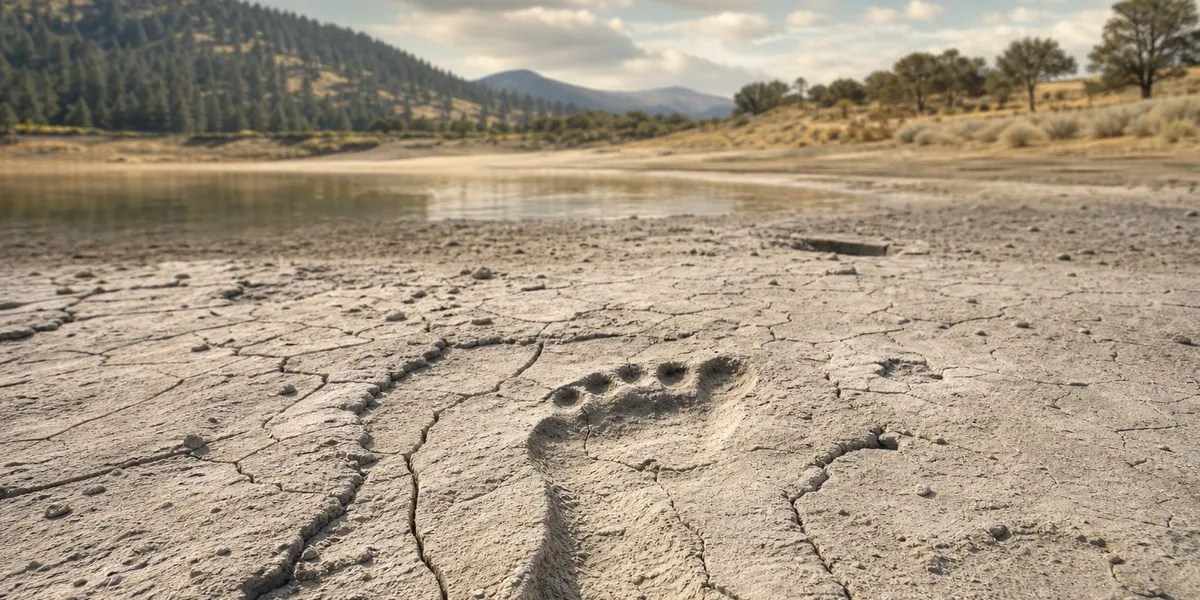
A new study suggests that ancient people in the area of White Sands National Park in New Mexico, United States, may have witnessed rapid environmental changes during the Last Glacial Maximum. Analysis of pollen and organic compounds in sediments showed that the landscape of this area changed significantly more than 20,000 years ago, while people continued to visit the territory.
Data from sediments
As Live Science reports, scientists examined ancient pollen, plant leaf waxes, bacterial membrane lipids and other organic molecules in rock samples from White Sands. These data made it possible to reconstruct environmental conditions during the period of human presence in the area.
About 24,200 years ago, White Sands had a large lake, while the surrounding mountains were covered with coniferous trees, including pines, firs and spruces. Over the next two thousand years, temperatures rose, the lake began to shrink, and coniferous trees gave way to oaks and sagebrush.
More current news is available on the UA.News Telegram channel Telegram.
Human footprints
White Sands contains an archaeological site with human footprints that researchers previously dated to between 21,000 and 23,000 years ago. This dating remains the subject of scientific debate, as the footprints are significantly older than other sites of Indigenous peoples in the Americas.
The study authors note that the sediments containing the footprints indicate a substantial environmental change within the lifetime of an individual person. They suggest that people may have returned to White Sands at different periods, while the shrinking lake could potentially have increased the concentration of animals and plants around it. At the same time, the footprints confirm the presence of people but provide only limited insight into their everyday behavior.




