
German economy lost momentum in third quarter — Anadolu Agency
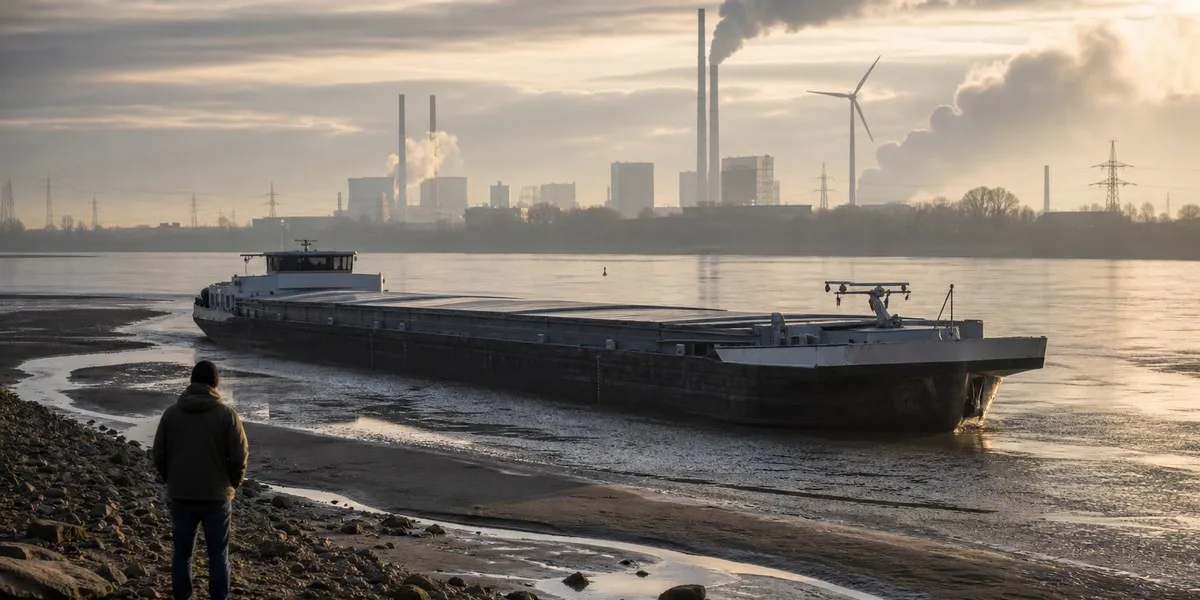
Germany's economy temporarily lost momentum in the third quarter but remains on a recovery path. Business activity was affected by high energy prices and restrictions on inland shipping due to low water levels, Anadolu Agency reports, citing the country's Economy and Energy Ministry's October report.
The ministry noted that after the recovery in the first half of the year, growth likely slowed. Global stockpiling of energy-intensive goods weakened, while low water levels restricted transport via inland waterways. Domestic demand is unlikely to provide significant support to the economy in the near term due to declining purchasing power, uncertainty and rising financing costs.
Production and exports
Output in the goods-producing sector rose by 2% in August compared with July, adjusted for price, calendar and seasonal factors. Construction output increased by 9.3%, partly due to the completion of a major energy infrastructure project, while industrial production added 0.6%.
At the same time, industrial production in July and August was on average 1.4% below the second-quarter level, with energy-intensive industries remaining particularly weak. Manufacturing orders fell by 10.6% month on month in August, mainly due to fluctuations in large contracts, including defense procurement. Excluding large orders, the decline was 0.1%.
More current news is available on the UA.News Telegram channel Telegram.
Nominal exports of goods and services declined by 2.7% in August for the second consecutive month, although they remained 6.9% higher than a year earlier. At the same time, the ifo business climate index rose for the fifth consecutive month in September and reached its highest level since May 2023.
Energy price pressure
Annual consumer inflation accelerated to 3.3% in September due to an almost 15% increase in energy prices. Core inflation, excluding food and energy, stood at 2.4%. Food prices rose by 0.4%, while services prices increased by 2.7%.
The ministry said that higher energy costs are increasingly being passed on to consumers, and price pressure is expected to persist through the winter. Retail sales increased by 1.3% in August after a 3.2% decline in July, but consumer confidence deteriorated: the GfK indicator for October fell to a five-month low.
Seasonally adjusted unemployment rose by 12,000 people in September, while employment declined by 29,000 in August. Due to subdued hiring prospects, the ministry does not expect either a fall in unemployment or employment growth in the coming months.




