
Estonia prepares requirements to upgrade G and H buildings by 2033 — ERR News
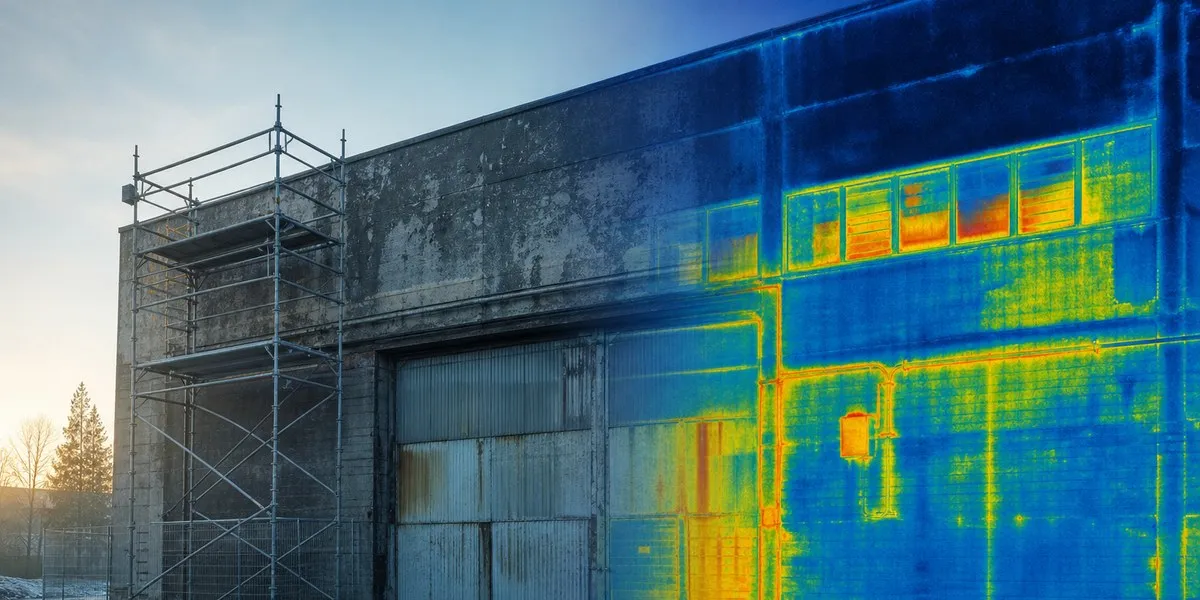
In Estonia, the Ministry of Climate is preparing amendments to the Building Code that provide for the mandatory modernization of old non-residential buildings with the lowest energy-efficiency classes. These include commercial and public structures, warehouses and office buildings. ERR News reports.
Requirements for 2030 and 2033
Buildings in classes G and H must reach at least class F by 2030 and class E by 2033. These rules are provided for by a draft legislative amendment implementing the European Union directive on the renovation of non-residential buildings in poor condition.
According to an estimate cited in the draft, the total cost of modernization will amount to nearly €290 million, while the average payback period for the expenses will be about six years. The source notes that renovated buildings will have lower heating costs and increase in value.
More current news is available on the UA.News Telegram channel Telegram.
Warnings from market representatives
Ingvar Allecand, head of the national real estate association EKFL, said that the new requirements could become a significant burden for property owners and the economy as a whole. According to him, they will be particularly difficult to meet for businesses in rural areas, where agricultural and regional companies are already closing.
Allecand urged Estonia to reconsider the way the directive is implemented, as EU member states, according to him, have some discretion in its application. At the same time, Lauri Suu, head of the Construction Department at the Ministry of Climate, said that the country has already chosen the minimum package of requirements provided for by the directive. The bill is expected to be submitted to the Riigikogu in the near future, where amendments may be proposed.




