
FAA orders inspections of nearly 2,000 Boeing 737 aircraft — AeroTime
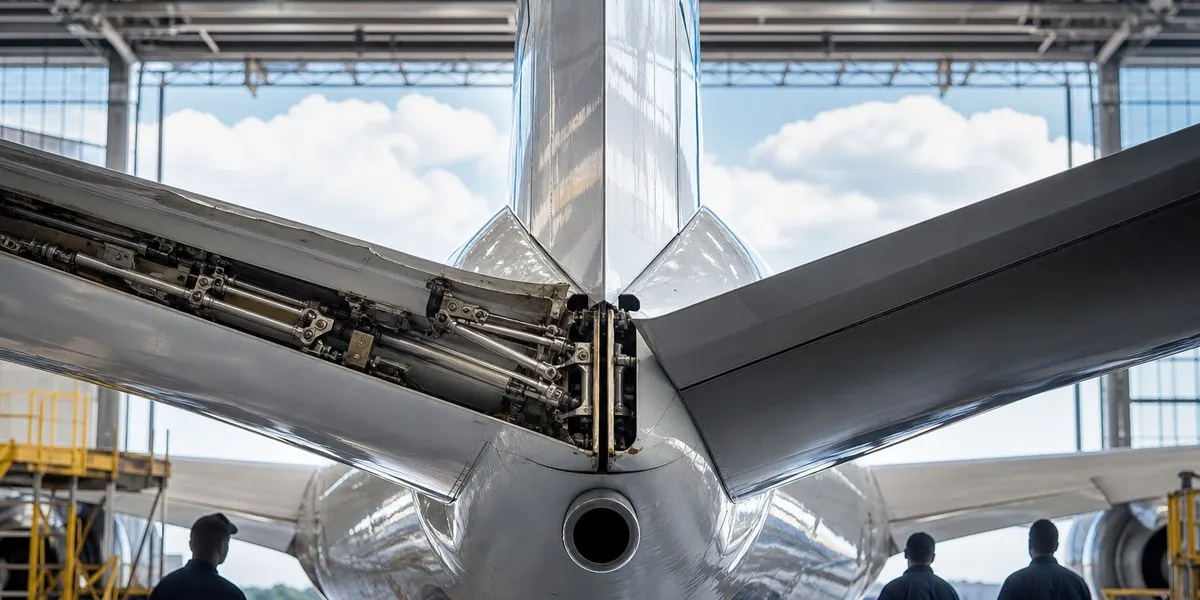
The US Federal Aviation Administration (FAA) has ordered operators to inspect nearly 2,000 Boeing 737 Next Generation aircraft following reports of pitch oscillations linked to excessive free play in the horizontal stabilizer mechanism. According to AeroTime, the requirement applies to 1,987 aircraft registered in the United States.
Which aircraft the directive covers
The airworthiness directive, published on October 19, 2026, applies to Boeing 737-600, 737-700, 737-700C, 737-800, 737-900, and 737-900ER models. Boeing 737 MAX aircraft are not covered by it.
The rule will take effect on November 23, 2026. Operators must measure free play in the stabilizer attachment hinges and its screwjack mechanism. Depending on the inspection results, additional inspections, repairs, or replacement of parts may be required.
Risk of loss of control
The horizontal stabilizer is a movable surface in the tail section of an aircraft that helps control whether the aircraft's nose moves up or down. The FAA said excessive free play in its mechanism could cause unintended movements and pitch oscillations.
More current news is available on the UA.News Telegram channel Telegram.
The regulator warned that, if the problem is not addressed, it could lead to flutter — a dangerous structural vibration that may result in loss of control of the aircraft.
Airlines' requests rejected
During discussions of the draft directive, Canadian North asked to extend the initial inspection deadline from 12 to 36 months in order to combine the work with major maintenance. United Airlines asked to increase the intervals between repeat inspections for aircraft with replaced hinge bearings.
The FAA rejected both requests, stressing the need to monitor free play regardless of whether components are original, repaired, or new. At the same time, the agency is prepared to consider individual requests for deadline extensions if there is evidence that an adequate level of safety will be maintained.
According to the FAA's estimate, measuring free play will require six labor hours per aircraft and cost $510. Total costs for the US fleet will amount to about $1 million, excluding possible repairs and replacement of worn parts.




