
Food Holiday on November 29, 2026 — Rice Cake Day: Four Recipes
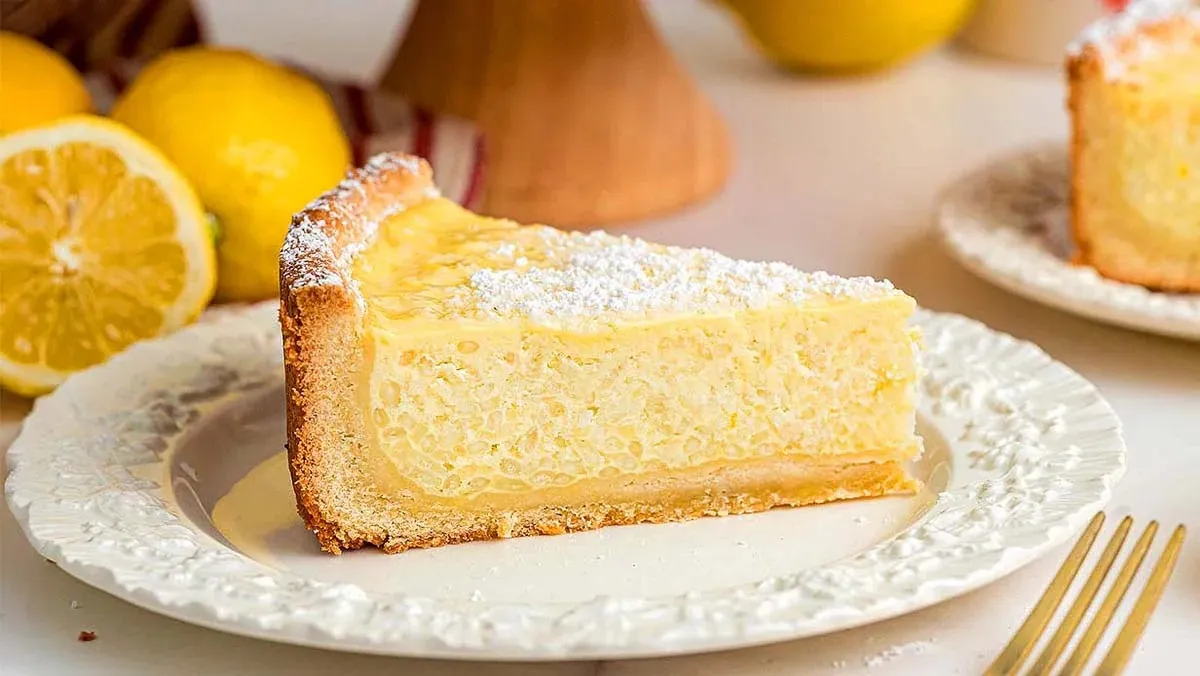
November 29 is National Rice Cake Day in the U.S.—a culinary holiday dedicated to rice-based dishes prepared around the world. The term rice cake encompasses a wide variety of treats: from crispy rice cakes to Japanese mochi, Korean rice sticks, and Filipino pastries made with coconut milk. For the occasion, you can prepare anything from a simple sweet snack to an unusual Asian dish.
National Rice Cake Day in the U.S. falls on November 29. It is not a public holiday but an unofficial culinary observance. It is dedicated to various rice-based dishes, which have their own recipes, shapes, and preparation methods in different countries.

The exact origin of the holiday is unknown. According to calendars of culinary dates, it began to be celebrated around 2015–2016, but there is no reliable information about its founder. It is also unclear exactly which type of rice cake was intended. Therefore, November 29 is a great opportunity to explore different traditions—from simple rice cakes to sweet desserts and hearty dishes.
Where Do Rice Cakes Come From?
Rice cakes do not have a single specific place of origin. They are a whole group of dishes that emerged in countries where rice was one of the main staples. People learned to prepare it not only as a side dish but also to grind it into flour, knead it into a sticky dough, mix it with other ingredients, shape it into cakes, and cook them by steaming, boiling, or frying.
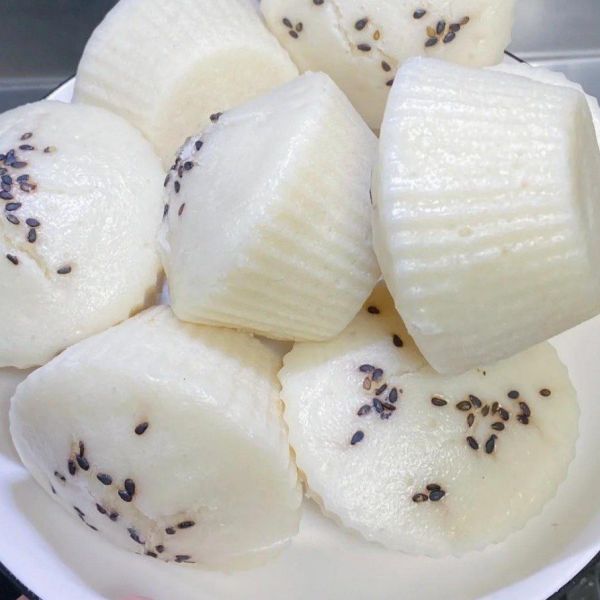
Particularly ancient traditions of rice cakes have developed in East and Southeast Asia. In Japan, people make mochi—dishes made from glutinous rice, which is first steamed and then kneaded for a long time until it reaches an elastic consistency. In China, nian gao is a well-known rice cake traditionally prepared for the Lunar New Year celebrations. Its name is associated with wishes for increased prosperity and success in the coming year.
In Korea, rice cakes are called tteok. They are made from various types of rice, which are boiled, steamed, or kneaded, and then shaped into balls, flat cakes, or long sticks. There are dozens of varieties of tteok in the country—sweet, savory, and those with beans, sesame seeds, chestnuts, and other ingredients. In the Philippines, puto and bibingka are popular rice cakes: they’re made with rice flour, coconut milk, and sugar, and are often wrapped in or lined with banana leaves.
In Which Countries Are Rice Cakes Popular
The greatest variety of rice cakes can be found in Asian cuisine. In Japan, mochi is eaten year-round, but it holds a special place during the New Year’s holidays. They are served with a sweet red bean filling, used in desserts, or added to soups. One popular modern variation is mochi with ice cream.

In China, nian gao rice cakes are a traditional dish for the Lunar New Year. They are prepared sweet or savory, sliced, fried, or added to other dishes. In Korea, tteok is eaten both as a dessert and as a full-fledged meal. The most famous example is tteokbokki, where rice cakes are simmered in a spicy sauce with gochujang.
In the Philippines, rice cakes hold a special place in festive cuisine. Bibingku is traditionally made with rice flour and coconut milk, baked in molds lined with banana leaves, and often served with butter, cheese, or salted eggs. In Vietnam, banh ting and banh tet are popular—sticky rice cakes with fillings, wrapped in leaves. They are prepared for the celebration of Tet, the Vietnamese New Year.

Rice cakes and similar dishes are also found in India, Indonesia, Malaysia, Thailand, Cambodia, and other countries. For example, in India, people make idli—soft, steamed cakes made from fermented dough based on rice and lentils. In Western countries, the term rice cake often refers to a completely different product—a thin, crispy cracker made from puffed rice grains. It is precisely these round snacks that have become popular as a light snack.
What ingredients are used for rice cakes?
The main ingredient is rice or rice flour. For chewy desserts, such as Japanese mochi and many Korean tteok, glutinous rice is used. It contains more amylopectin, so it becomes soft and chewy after cooking. For other types of baked goods, regular rice flour or mashed cooked rice works well. Sweet rice cakes are made with sugar, honey, coconut milk, condensed milk, fruit, nuts, sesame seeds, and red bean paste. Some recipes call for eggs, butter, and milk. Anko—a sweet paste made from adzuki red beans—is often chosen as a filling for moti.

Savory versions may contain meat, mushrooms, vegetables, seafood, soy sauce, garlic, and spices. Korean dishes use gochujang—a thick, fermented red pepper paste. And for Filipino bibingka, key ingredients include coconut milk, sugar, and banana leaves, which give the pastry a distinctive aroma.
Interesting Facts About Rice Cakes
- In Japan, mochi symbolize prosperity and longevity. They are traditionally prepared for the New Year, and special arrangements of rice cakes—kagami mochi—are used as festive decorations.
- The Chinese nian gao has a symbolic name. It can be translated as “higher year after year,” so the dish is associated with wishes for success, growth, and prosperity.
- Korean rice cakes aren’t just sweet. Tteokbokki is one of Korea’s most famous street foods, where rice cakes are cooked in a spicy sauce.
- Rice cakes are prepared in various ways. They are boiled, fried, baked, steamed, or pounded in a special mortar. The texture—ranging from crispy to very chewy—depends on the method of preparation.
- Rice cakes and traditional Asian cakes are different foods. The former is made from puffed grains, while the latter is usually made from rice flour or glutinous rice. They share the same English name, but their taste and preparation methods differ significantly.
Four recipes for rice cakes from different countries
1. Crispy rice cakes with chocolate and peanut butter

This is the simplest option for those who want to celebrate a holiday without spending a lot of time cooking. Crispy rice cakes are paired with peanut butter and chocolate. This dessert doesn’t require baking, and once cooled, it resembles small chocolate bars.
Ingredients:
4 round rice cakes;
100 g dark or milk chocolate;
3 tbsp peanut butter;
1 tbsp honey;
a pinch of salt;
chopped nuts for garnish.
Preparation:
Break the rice cakes into small pieces or leave them whole if you want to make individual desserts.
Mix the peanut butter with the honey and a pinch of salt. If the mixture is too thick, you can warm it slightly in a double boiler.
Spread the peanut mixture onto the rice cakes in a thin layer.
Melt the chocolate in a double boiler or in the microwave in short bursts. Drizzle it over the rice cakes.
Sprinkle with chopped nuts and refrigerate for 20–30 minutes to let the chocolate set.
2. Korean Tteokbokki Rice Cakes in Spicy Sauce

Tteokbokki is one of South Korea’s most famous street foods. It’s made with long rice cakes that become soft and chewy when simmered. The main feature is a thick sauce made with gochujang paste. It has a distinct spicy, sweet, and slightly salty flavor.
Ingredients:
300 g Korean rice sticks (ttok);
2 tbsp gochujang paste;
1 tbsp soy sauce;
1 tbsp sugar;
1 tsp hot pepper flakes;
400 ml water or light broth;
1 small onion;
2 green onion stalks;
100 g fish cakes (optional);
1 hard-boiled egg for serving.
Preparation:
If the rice sticks are hard, soak them in warm water for 10–15 minutes. If they are soft, you can skip this step.
In a deep skillet or saucepan, combine the water, gochujang, soy sauce, sugar, and hot pepper.
Bring the sauce to a boil, then add the rice sticks and chopped onion. Cook over medium heat for about 8–10 minutes, stirring frequently.
Add the chopped fish cakes, if using, and cook for a few more minutes. The sauce should thicken, and the rice sticks should become soft and springy.
Sprinkle with green onions before serving. Add halved hard-boiled eggs if desired.
3. Filipino Bibingka with Coconut Milk

Bibingka is a traditional Filipino rice cake that’s especially popular during the Christmas season. It’s made with rice flour, coconut milk, and eggs, and baked in molds lined with banana leaves. The unusual combination of sweet dough with salty cheese or egg makes this cake special.
Ingredients:
200 g rice flour;
100 g sugar;
2 eggs;
200 ml coconut milk;
100 ml regular milk;
1 tsp baking powder;
40 g melted butter;
a pinch of salt;
1 salted egg;
50 g grated cheese;
shredded coconut for serving;
banana leaves for shaping (if available).
Preparation:
Preheat the oven to 180 °C. Line a small baking dish with banana leaves and lightly grease it with oil. If banana leaves aren’t available, use parchment paper.
Mix the rice flour, sugar, baking powder, and salt.
In a separate bowl, beat the eggs with the coconut milk and regular milk. Add the melted butter.
Combine the dry and wet ingredients and mix until a smooth batter forms. Pour the batter into the pan.
Bake for about 20 minutes. Then top with slices of salted egg and grated cheese, and return the cake to the oven for another 10–15 minutes, until the top is golden brown and the center is cooked through.
Let it cool slightly before serving and sprinkle with shredded coconut.
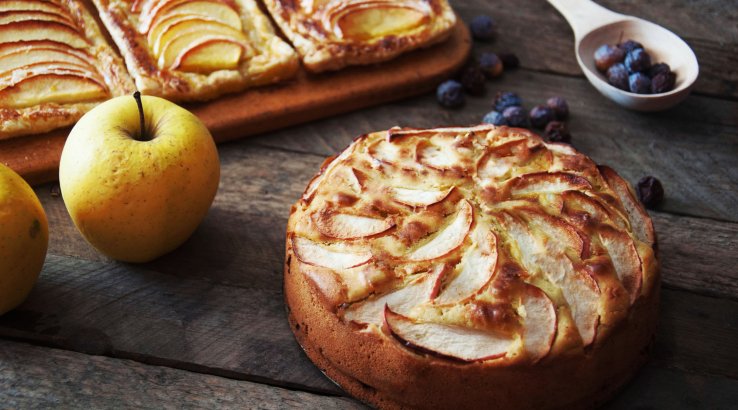
4. Galician “Koch” Rice Cake with Apples

Ingredients for the rice crust:
180 g rice;
500 ml milk;
60 g sugar;
50 g butter;
2 eggs;
10 g vanilla sugar;
a pinch of salt.
For the apple filling:
5 apples;
40 g sugar;
1 tsp ground cinnamon;
20 g butter;
40 g raisins (optional).
Preparation:
1. Rinse the rice several times, transfer it to a pot, and cover with milk. Add a pinch of salt, bring to a boil, and cook over low heat, covered, for about 25–30 minutes. The rice should be well cooked, and the mixture should become thick. Then let it cool slightly.
2. Add the butter, regular sugar, and vanilla sugar to the warm rice. Stir to combine. Once the mixture has cooled, beat in the eggs and stir well again.
3. Peel the apples, remove the cores, and cut them into thin slices. Melt the butter in a skillet, then add the apples, sugar, and cinnamon. Simmer for 5–7 minutes, until they soften slightly. Add rinsed raisins if desired.
4. Preheat the oven to 180 °C. Grease a 20–22 cm diameter baking dish with butter.
5. Spread half of the rice mixture into the pan and smooth it out. Evenly distribute the apple filling on top, leaving about one centimeter free around the edges.
6. Cover the apples with the remaining rice mixture and smooth the surface.
7. Bake for 40–50 minutes, until the top of the cake turns golden brown. Let the finished cake cool in the pan for 20–30 minutes to set.
Serving: The pie can be served warm or chilled. Before serving, sprinkle it with powdered sugar or cinnamon. It also tastes great with berry sauce or tart jam.
Rice cakes demonstrate just how many different ways there are to use the same ingredient. They can be sweet or savory, tender or chewy, crispy, or even spicy. So November 29 is a great opportunity to try not only the familiar rice cakes but also dishes that have long been part of the culinary traditions of other countries.




