
Countries approve development of UN protocol against environmental crimes — Mongabay
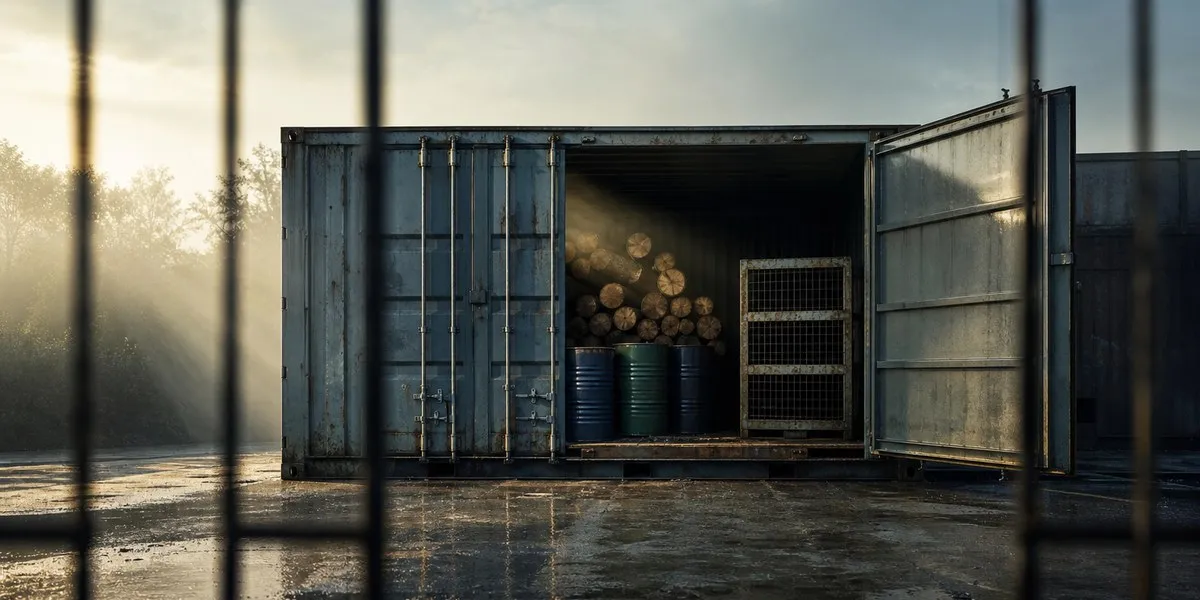
Parties to the UN Convention against Transnational Organized Crime have approved the start of negotiations on the first international protocol to combat environmental crimes. The document is expected to cover illegal wildlife trade, illegal logging and waste trafficking. As Mongabay reports, a draft protocol is planned to be prepared over the next two years.
Vote to start negotiations
The resolution to begin developing the protocol was adopted on October 23 during the 13th biennial meeting of the parties to the convention. The initiative was proposed by 12 states: eight Latin American countries and four African countries. It was led by Brazil.
Eight-three countries voted for the resolution, while 12 voted against it, including the United States and Japan. Another 27 countries abstained. A two-thirds majority was required to adopt the decision.
More current news is available on the UA.News Telegram channel Telegram.
Cooperation against criminal networks
The new protocol is intended to facilitate investigations, criminal prosecution and court proceedings in environmental crime cases. Negotiations will take place under the UN Convention against Transnational Organized Crime, established in 2003 to counter international criminal networks, money laundering and corruption. The draft document is planned to be discussed at the next meeting of the convention's parties in two years.
The convention already has protocols on human trafficking, the smuggling of migrants, as well as the illicit manufacturing of and trafficking in firearms. The resolution states that such documents create a framework for international cooperation, including extradition and the prosecution of suspects.
According to an estimate cited in the article, environmental crime amounts to as much as $281 billion a year, and international syndicates are often involved. Legal definitions of environmental offenses and the penalties provided for them also differ among countries, complicating cooperation between jurisdictions.




