
Only a quarter of EU strategic raw materials projects are on schedule — Politico Europe
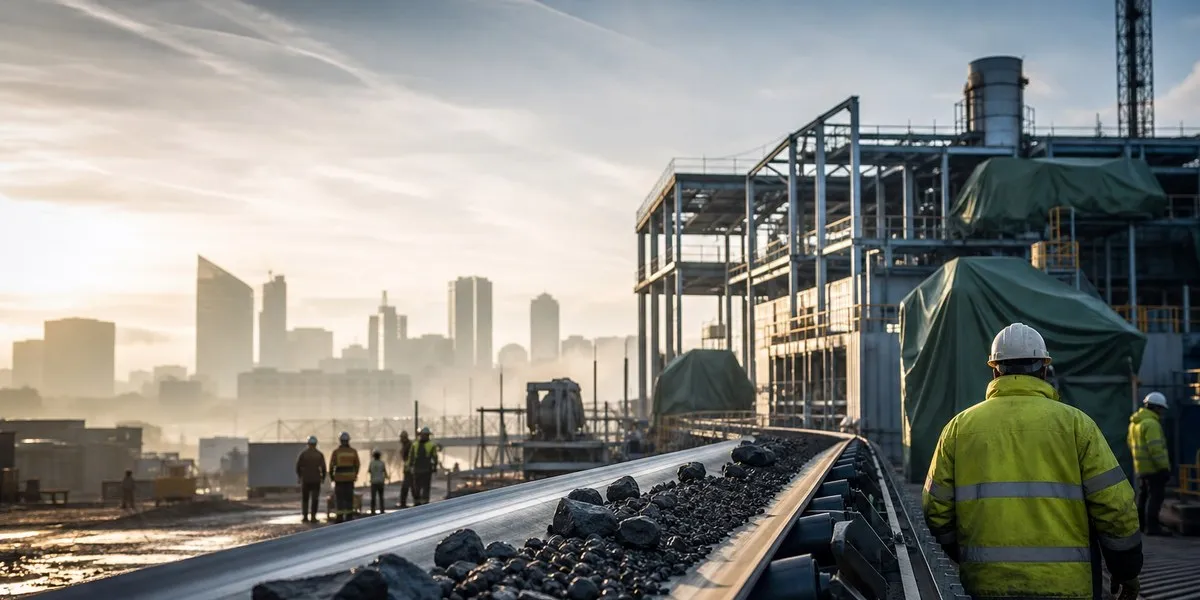
In Brussels, Belgium, it was reported that only around a quarter of the EU’s strategic projects in critical raw materials are proceeding on schedule. At the same time, at least one-third of mining and processing projects are behind schedule, halted, at risk, or no longer exist. Politico Europe reported this, citing an analysis by the European Environmental Bureau.
The EU adopted the Critical Raw Materials Act in 2024 to reduce dependence on China and expand its own extraction, processing and recycling of materials for clean energy, technology and defense manufacturing. However, financial, regulatory and political obstacles are slowing project implementation.
Targets for 2030
In March 2025, the European Union identified 47 strategic projects, 13 of which are located outside the bloc. They cover 14 of the 17 strategic raw materials identified by the EU, including lithium, nickel, cobalt, graphite, rare earth elements, tungsten and gallium.
By 2030, the EU plans to meet at least 10% of its own critical raw material needs through extraction, 40% through processing and 25% through recycling. The bloc also aims to ensure that, at any stage of processing, no more than 65% of the supply of each material comes from a single non-EU country.
More current news is available on the UA.News Telegram channel Telegram.
A European Commission official said that if the plans are implemented, the EU could achieve its targets for lithium, cobalt and rare earth elements. At the same time, he said that results for other materials are mixed: there is a lack of nickel processing and recycling capacity, as well as problems throughout the manganese supply chain.
Funding and permits
In June, the ODI think tank concluded that 14 of 60 projects are unlikely to contribute to the EU’s raw material supply by 2030, as their production is expected to begin in 2029–2031. According to ODI, three out of four projects are either behind the expected schedule or their status cannot be verified using current public data.
Strategic project status provides for expedited permitting, assistance in attracting public and private financing, and help in finding buyers. The deadline for issuing permits is 27 months for mines and 15 months for processing and recycling facilities. Representatives of mining companies note that approval procedures in EU countries may take longer.
Problematic projects include Viridian Lithium in France, which went bankrupt after failing to secure financing, and José de Mello Group’s planned lithium processing plant in Portugal, valued at €492 million, for which financing could not be found. Both projects had EU strategic status.




