
UN estimates emissions cuts under climate plans at 6% — Channel NewsAsia
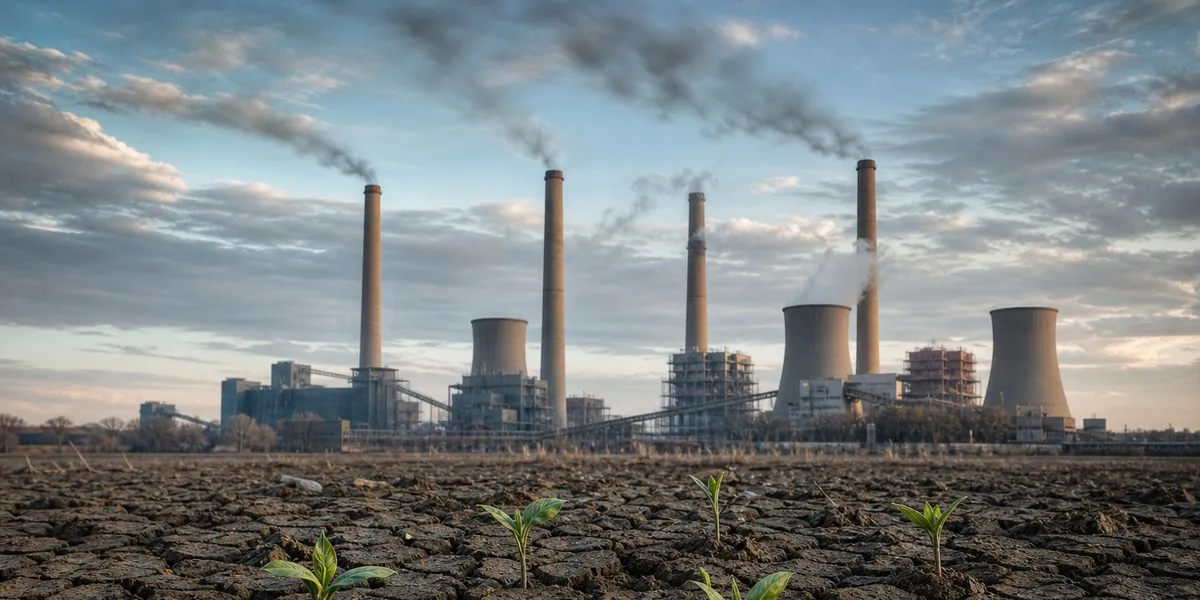
In Washington, United States, the UN said that countries’ current climate commitments could reduce global greenhouse gas emissions by only 6% by 2035. This amounts to roughly one-tenth of the 60% reduction compared with 2019 levels that scientists estimate is necessary to limit warming to 1.5°C. Channel NewsAsia reports.
Assessment based on plans from 154 countries
A report by the UN climate change body summarizes the nationally determined contributions of 154 countries, received from January 2024 through August 2026. Such plans are mandatory submissions under the 2015 Paris Agreement. They cover 71% of global emissions.
Even if countries fully implement their plans and achieve their conditional targets, the overall emissions reduction by 2035 would be only 9%, the report said. Last year, the UN estimated the potential reduction at 10%, but a significant share of the missing commitments then had to be modelled, and the United States was still included in the calculations.
Under President Donald Trump, the United States withdrew from the Paris Agreement for a second time and is pursuing policies that largely favor fossil fuels.
More current news is available on the UA.News Telegram channel Telegram.
Warming targets
The Intergovernmental Panel on Climate Change believes that, for a realistic chance of limiting warming to 1.5°C by 2100, greenhouse gas emissions must decline by 60% by 2035 from 2019 levels. To keep warming below 2°C, described in the source as the Paris Agreement’s fallback target, a 37% reduction is needed.
According to data from the UN Environment Programme released last week, current global commitments put the world on track for 2.6°C of warming over this century. The world has already warmed by about 1.4°C compared with the pre-industrial period, and scientists expect the 1.5°C threshold could be crossed within a few years.
Climate finance is growing
In a separate report, the UN said climate finance flows had increased to an average of $1.9 trillion per year in 2023–2024. This is 32% higher than in 2021–2022. At the same time, the volume of financing still falls substantially short of needs. The growth was driven mainly by private investment in low-carbon technologies, including renewable electricity, electric vehicles and heat pumps.




