
Poland May Ban a Member of the Lviv Regional Council from Entering the Country Due to the UPA
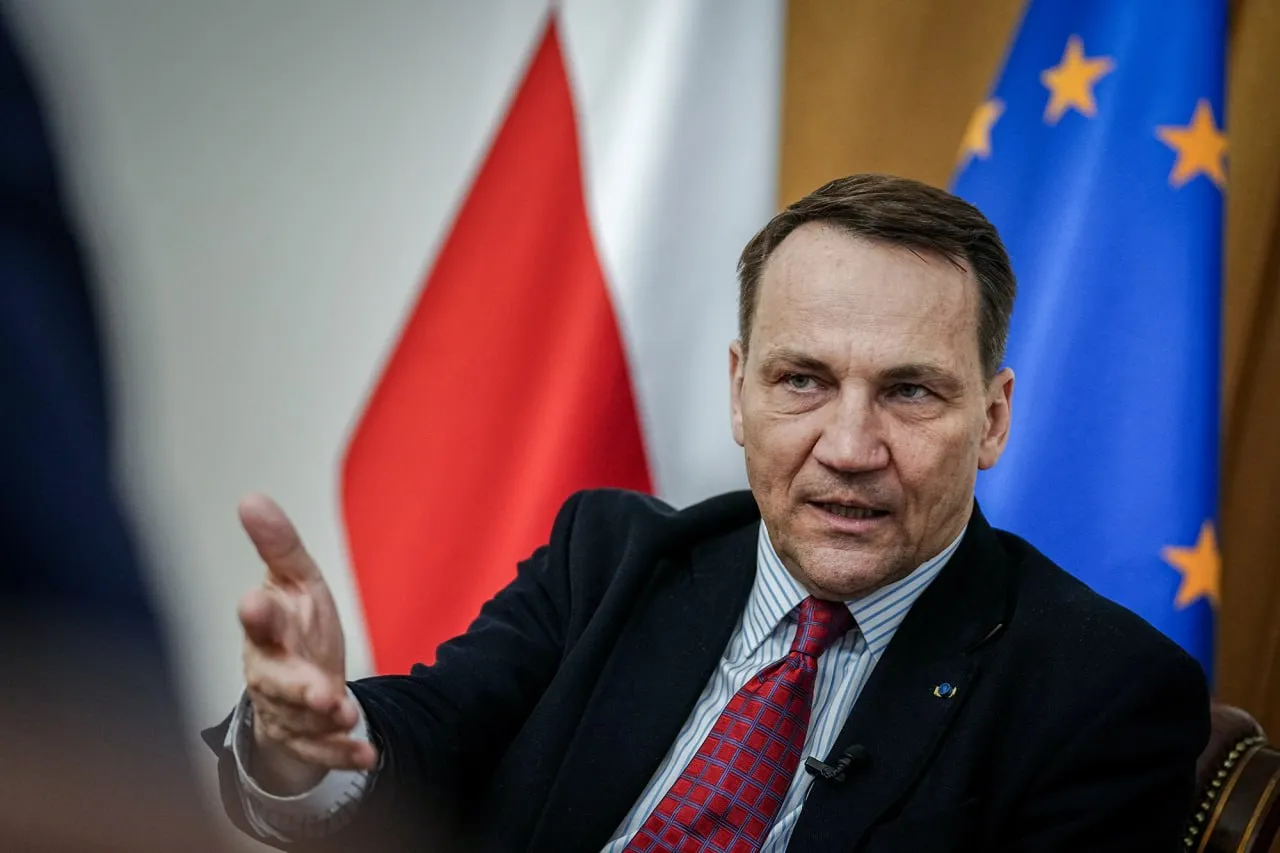
Polish Foreign Minister Radosław Sikorski signed a motion to add Sviatoslav Sheremeta, a member of the Lviv Regional Council, to the list of individuals who may be barred from entering the country. The reason was the regional council’s initiative to declare 2027 the Year of the Ukrainian Insurgent Army, Roman Shukhevych, and Oleg Olzhych. A final decision on the entry ban has not yet been made.
“I have signed a motion to add S. Sheremeta, a member of the Lviv Regional Council, to the list of persons undesirable in the Republic of Poland,” the Polish minister wrote. In his post, Sikorski also accused Roman Shukhevych of issuing orders to deport and kill Poles. These statements reflect the Polish minister’s position on the history of the UPA and its leaders.
At the same time, Sikorski’s motion does not yet mean that Sheremety has been barred from entering Poland. According to Censor.NET, the final decision is to be made by the head of the Polish Office for Foreigners.
What sparked the controversy
On October 20, the Lviv Regional Council supported an initiative to declare 2027 the Year of the Ukrainian Insurgent Army, Roman Shukhevych, and Oleg Olzhych. The idea was proposed by council member Sviatoslav Sheremeta. The announcement of the decision initially appeared on the regional council’s official website but was later removed. The reasons for its removal are not specified in the report. Sheremeta himself explained his position as follows: “This is our history, our heroes, and we must honor their memory appropriately.”
The initiative drew criticism from Polish officials. In Poland, the activities of the UPA and the role of Roman Shukhevych remain sensitive historical issues, particularly due to the killings of Polish civilians during World War II. The Ukrainian and Polish sides have differing assessments of certain events from that period, which regularly leads to political disputes.
Tusk Criticized the Lviv Regional Council’s Decision
Polish Prime Minister Donald Tusk also spoke out against the initiative. He called the Lviv Regional Council’s decision “unwise” and stated that it could harm Ukraine. According to Tusk, such moves could be exploited by opponents of Ukraine’s accession to the European Union. In his view, this could create additional obstacles to the country’s European integration.
Polish Deputy Foreign Minister Marcin Bosacki also joined the discussion. He stated that Warsaw had received assurances from representatives of Ukrainian President Volodymyr Zelenskyy’s inner circle that the Lviv Regional Council’s decision would not take effect. At the same time, according to Bosacki, the Polish side is still awaiting an official response from Kyiv. The report does not specify exactly who provided these assurances or in what form they were conveyed.
The Polish Consulate in Lviv also spoke out against the initiative
The Consulate General of Poland in Lviv also voiced its opposition to the initiative. The diplomatic mission stated that honoring Roman Shukhevych, the UPA, and Oleg Olzhych in the proposed format contradicts European values. Thus, the decision by the Lviv Regional Council has drawn criticism from the Polish government and diplomatic representatives. The dispute now concerns not only historical memory but also the potential consequences for relations between Ukraine and Poland.
However, the current discussion centers specifically on the proposal regarding Sviatoslav Sheremeta, not on the entry ban that has already been adopted. The final decision is to be made by the Polish Office for Foreigners. Radosław Sikorski announced his decision on the social media platform X.
Polish Prime Minister Donald Tusk stated that the Lviv Regional Council’s decision to declare 2027 the Year of Roman Shukhevych, the Ukrainian Insurgent Army, and Oleg Olzhych is harmful to Ukraine and could serve as an argument for opponents of its accession to the European Union.




