
Prime Minister Netanyahu rules out coalition with Arab parties — PBS NewsHour
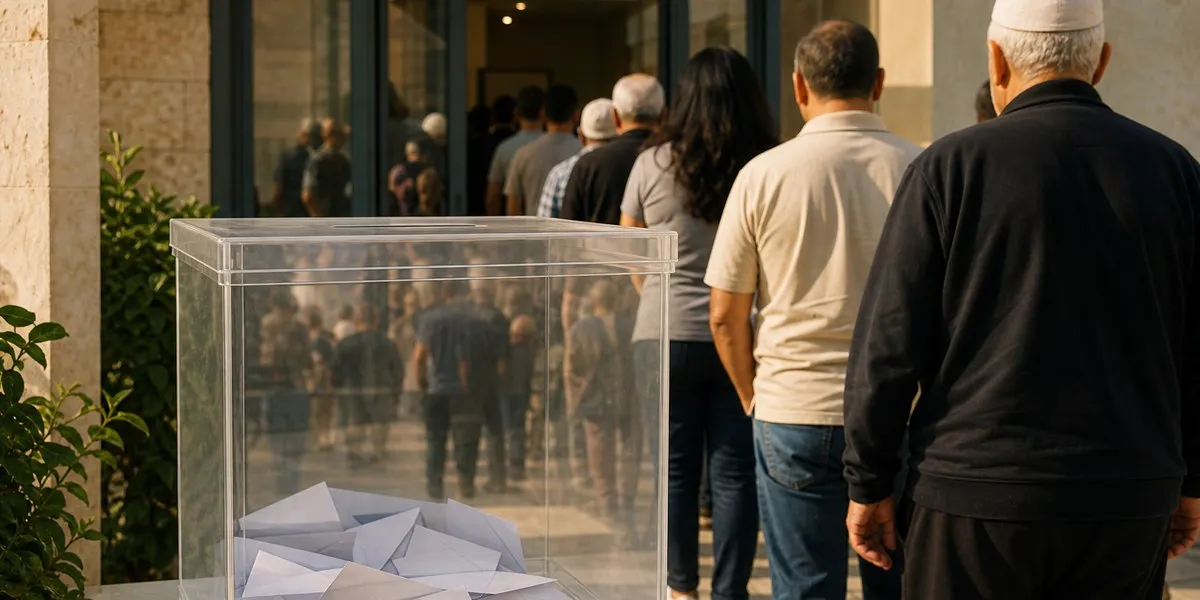
Israeli Prime Minister Benjamin Netanyahu and his main political rivals said they will not form a coalition with parties led by Arab politicians after the Knesset elections on October 27. As PBS NewsHour reports, this position could lead to a prolonged political deadlock and another vote if neither bloc can secure a parliamentary majority.
Mansour Abbas, the leader of the Islamist Ra'am party, helped bring an Arab party into Israel's governing coalition for the first time in 2021. He condemned the Hamas attack on October 7, 2023, and in the current campaign is focusing primarily on local issues, including crime. The second candidate on his electoral list is from the Jewish political mainstream.
Potential influence of small parties
In the 120-seat Knesset, no party is expected to win the 61 seats needed for a majority. Under these conditions, small factions may play a decisive role in determining the next prime minister.
Netanyahu rejected cooperation with Arab parties, while those parties also do not plan to join a coalition with him. His main opponent, centrist and retired general Gadi Eisenkot, also said he would not form an alliance with such forces. In May, Yair Lapid, leader of a centrist-left party, told the Associated Press that he would not form a new coalition with Ra'am.
More current news is available on the UA.News Telegram channel Telegram.
One possible scenario remains a minority government that Arab parties would support from outside. Otherwise, a strong result for Arab parties could trigger new elections, while Netanyahu's government would remain interim until the next vote.
Crime and restrictions on protests
Palestinian citizens of Israel make up about 20% of the country's population. Activists cite discrimination, high crime rates, and restrictions on freedom of expression. According to the Abraham Initiatives, 184 crime-related murders have been recorded in Arab communities this year. The organization also reported in July that only 12% of such murders registered in the first half of 2026 had been solved.
Human rights organization Adalah says police dispersed anti-war rallies, restricted the display of Palestinian flags, and detained hundreds of people over social media posts. The Israeli government explains restrictions on certain forms of expression and protests by security considerations and states that minorities have equal rights.




