
El-Sisi says he will not seek to remain in office after 2030 — Dawn
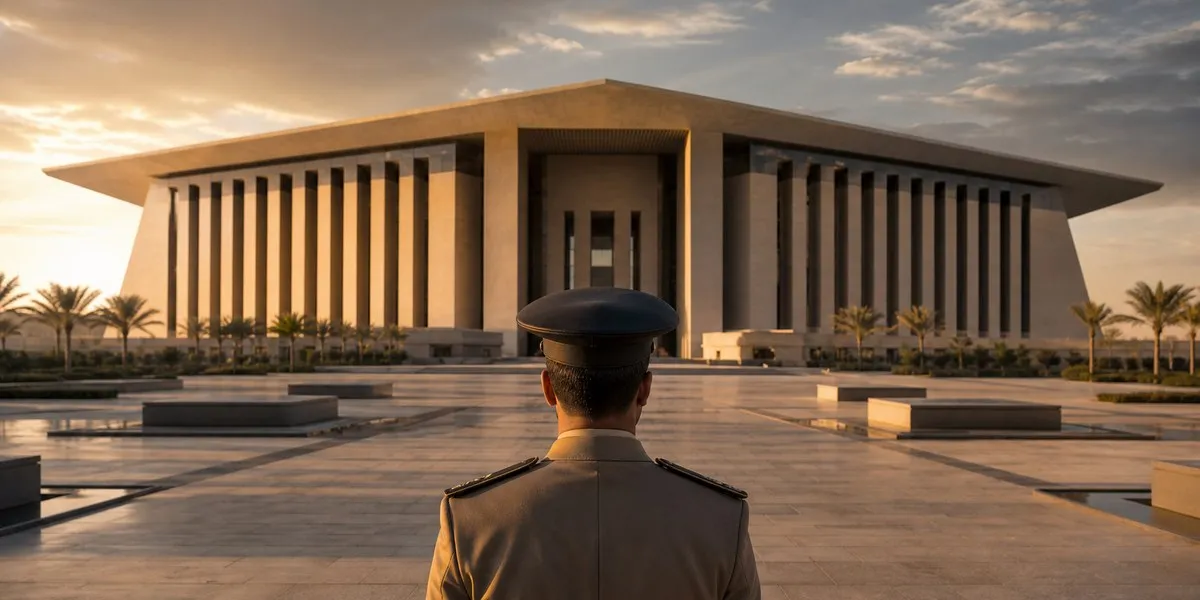
Egyptian President Abdel Fattah el-Sisi said he does not intend to remain in office after his current presidential term ends in 2030. He made the statement on October 17 at a graduation ceremony at the Military Academy in the New Administrative Capital east of Cairo, Dawn reports.
Statement on the end of his term
The 71-year-old el-Sisi stressed that the country’s constitution would not be amended. According to him, the period until 2030 will mark the end of his tenure as president, if he is alive, and he called the matter definitively settled.
El-Sisi has led Egypt since 2014. Before that, he was an army general and defense minister, and he stepped down as head of the Defense Ministry before running in the presidential election.
Constitutional amendments and successors
The constitution adopted in 2014 after the military removal of President Mohamed Morsi a year earlier initially limited the presidency to two four-year terms. In a 2019 referendum, Egypt approved amendments that extended the presidential term from four to six years and allowed el-Sisi to run once more.
More current news is available on the UA.News Telegram channel Telegram.
In 2023, el-Sisi was re-elected for a six-year term due to end in 2030. Critics and opposition representatives suggested that further constitutional amendments were possible, which would allow him to remain in power after that year.
The president also said that a new generation of leaders would be prepared in the country by 2030. The Military Academy, he said, trains hundreds of potential officials, ministers, and presidential candidates in public administration and leadership.
Criticism of the presidency
During 12 years in power, el-Sisi has overseen a state development program focused on major projects. Critics believe they were largely financed through borrowing and contributed to a growing debt burden and economic pressure on Egypt.
International human rights organizations have also criticized his administration for restricting the activities of the political opposition, civil society, and freedom of speech. Egyptian authorities reject these allegations, saying their policies are necessary to preserve stability and security.




