
Russia's industrial sector is forecast to contract for the first time in five years
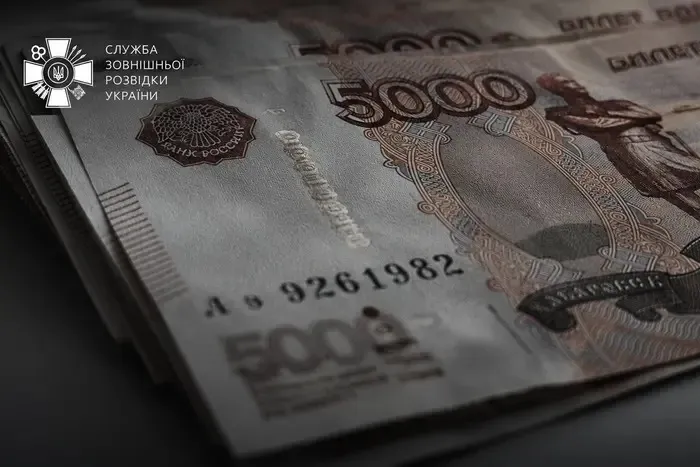
In 2026, industrial production in Russia may end the year with a decline for the first time in five years. The Russian Ministry of Economic Development has revised its forecast downward: instead of the expected 0.6% growth, the ministry now forecasts a 0.2% decline.
For the first time in the past five years, the Russian Ministry of Economic Development has officially included a decline in industrial production in its forecast. According to the ministry’s estimates, the figure could fall by 0.2% by the end of 2026. Previously, Russian authorities had expected industrial output to grow by 0.6%. Problems in Russian industry became apparent as early as the first months of the year.
From January through August, production in Russia generally remained roughly at the same level as during the same period last year. However, the situation worsened in August: industrial output fell by 0.8% year-over-year.
Why Russian Industry Is Losing Momentum
The SWRU attributes the decline in indicators to the Russian economy’s shift to a wartime footing. According to the agency’s assessment, increasing problems are arising not only in the civilian sector but also at enterprises that previously supported overall industrial growth.
Among the reasons for the decline, the intelligence agency cites high inflation, fluctuations in the ruble exchange rate, and expensive loans. As a result, people and businesses are spending less, and it is becoming more difficult for enterprises to borrow money to develop and sustain production. Another factor is the reduction in government defense contracts. According to the SZRU, this is already affecting even enterprises in the military-industrial complex. Previously, it was precisely these contracts for the military that helped sustain industrial performance, but now this sector is also facing a decline in production volumes.
Which Sectors Have Been Hit the Hardest
The most difficult situation has arisen in sectors that depend on consumer demand and access to credit. These include, in particular, the automotive industry, construction, the agricultural sector, and the chemical industry.
Some sectors are already showing a noticeable decline. According to Ukrainian intelligence, production in the Russian metallurgical industry fell by 5.2%, in the chemical industry by 3%, and in the garment industry by 4.2%. The output of certain industrial products has fallen even more sharply. Elevator production has dropped by 20%, and that of freight railcars by 30%.
Russian regions are becoming increasingly dependent on the federal budget
The problems facing industry are also affecting the financial situation of Russia’s regions. According to estimates by the State Council of Regional Administrations (SZRU), 65 regions of the Russian Federation require financial support from the federal budget. At the same time, only 24 regions remain net contributors, meaning they can independently meet their budgetary needs and transfer a portion of their funds to the central government.
These figures indicate an uneven distribution of financial resources and a growing dependence of most regions on aid from Moscow. Consequently, Russian industry faces several challenges at once: declining demand, expensive loans, inflation, and a reduction in government orders. If the Ministry of Economic Development’s forecast proves accurate, 2026 will be the first year in five years that industrial production in Russia ends with a decline. The Foreign Intelligence Service of Ukraine reported on the change in the forecast.
Russian dictator Vladimir Putin complained about Western sanctions against Russia, calling them “nonsense” and acknowledging their tangible impact on the aggressor country.
Russian Z-propagandist Maxim Kalashnikov stated that the continuation of the war could lead to serious problems for Russia as early as 2027. According to him, the Russian economy could begin to collapse if hostilities continue.




