
Reuters: Barrack promoted business partner’s firm for Iraq project — The Express Tribune
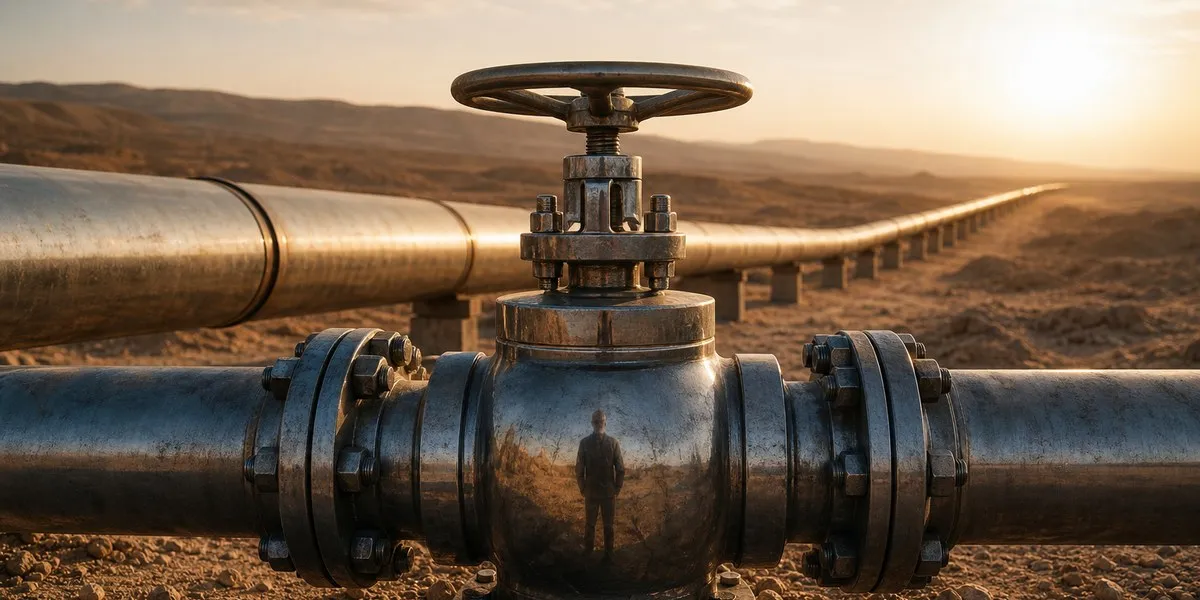
US presidential special envoy to Iraq and Syria Thomas Barrack, according to three Reuters sources, sought the involvement of California-based investment group TI Capital in a project to restore the Kirkuk–Baniyas oil pipeline between Iraq and Syria. The company is headed by his longtime business partner Ziad Ghandour. The Express Tribune reports this, citing Reuters.
In July, Iraq and Syria signed memorandums with a consortium that included TI Capital, Chevron and Qatar’s UCC Holding. The participants are to conduct technical and financial studies in preparation for restoring the pipeline, which would provide a route for oil supplies bypassing the Strait of Hormuz.
Ties to TI Capital
Barrack is also the US ambassador to Turkey. In a financial disclosure filed in March 2025, he listed a stake in ACD-TI Oakley Investment LLC, a residential development project near San Francisco managed by TI Capital. The document states that he is entitled to receive up to one-fifth of the company’s profits after it reaches a specified level of income.
On June 16, about a month before the consortium agreement was signed, Barrack and Iraqi Prime Minister Ali al-Zaidi issued a joint statement. In it, they welcomed Iraq’s decision to advance a memorandum with TI Capital on restoring the Kirkuk–Baniyas pipeline. Chevron and UCC Holding were not mentioned in the statement.
More current news is available on the UA.News Telegram channel Telegram.
Ethics questions
Reuters found no evidence that Barrack could profit from the pipeline itself or other related projects. Two ethics lawyers told the agency that his ties to Ghandour would not constitute a criminal conflict of interest if the diplomat has no direct financial benefit from the project.
At the same time, former White House chief ethics lawyer Richard Painter called such lobbying “a serious problem” from the perspective of the rule on officials’ impartiality. According to him, a business partner’s involvement in a project may require an official to recuse himself from considering the matter even without a personal financial interest.
According to Reuters, Barrack did not obtain a waiver from the US Office of Government Ethics regarding a potential conflict of interest arising from his ties to the company. The US State Department said the diplomat has no role or financial interest in the pipeline project and that his public statements reflect longstanding US policy on regional energy integration.
The historic Kirkuk–Baniyas pipeline transported Iraqi oil to Syria’s Mediterranean coast for decades, but it has not operated since the US invasion of Iraq in 2003. Reuters sources in August estimated the cost of its restoration at $15 billion and said construction would take at least four years.




