
Families of Sharpeville victims challenge 1961 law in South African court — NPR
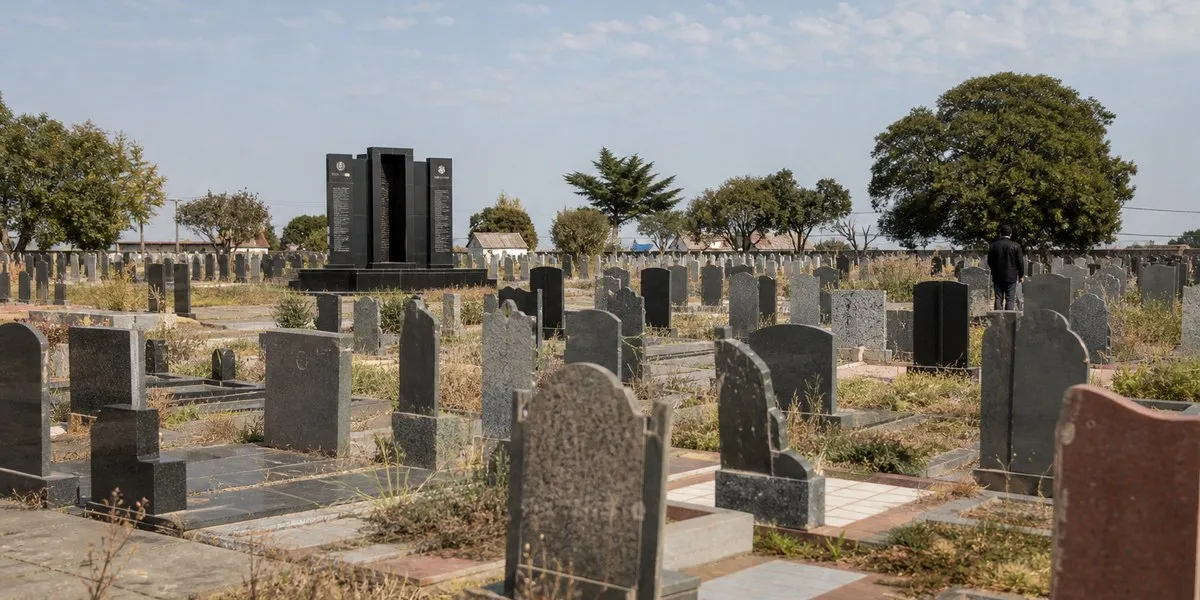
In South Africa, families of victims and survivors of the 1960 shooting of an anti-apartheid demonstration in Sharpeville have filed an application with the High Court of Gauteng. They are challenging the continued validity of Indemnity Act No. 61 of 1961, which, according to NPR, still obstructs efforts to obtain legal redress.
On March 21, 1960, police opened fire on participants in a protest against pass laws that restricted the movement, residence and employment of South Africa's Black population. At least 69 people were killed.
The application was filed in September. If the court finds the law unconstitutional and allows a class action on behalf of survivors and dependants of those killed, the parties in the case will be able to make individual claims for damages. It is unknown whether those involved in the shooting are still alive, but the parties hope to receive reparations.
Claims for reparations
Paulina Mathinye, 71, whose father was killed during the shooting, has joined the potential class action. She said that after the death of her father, who was the family's main breadwinner, she was unable to complete her education. According to her, this also affected the lives of her children and grandchildren.
More current news is available on the UA.News Telegram channel Telegram.
Mathinye said that if she receives compensation, she will spend the money on repairing her home and educating her four grandchildren. International human rights lawyer Daniel Leader, who advises the applicants' legal team, stressed the need to properly address the historical injustice of the apartheid era.
Other apartheid-era cases
NPR describes the Sharpeville case as part of a new wave of legal efforts aimed at establishing truth, accountability and reparations for crimes committed during apartheid. Last year, a court found that Albert Luthuli, South Africa's first Nobel Peace Prize laureate and former leader of the African National Congress, was beaten to death by apartheid police in 1967. It had previously been believed that he died after being struck by a train.
A judicial investigation into the killing of four anti-apartheid activists known as the Cradock Four, who were abducted and killed by apartheid security forces in 1985, has also been reopened. The investigation into the torture and death of Black Consciousness Movement leader Steve Biko, who died in police custody in 1977, has also returned to court.
The Truth and Reconciliation Commission in the 1990s denied amnesty to security force officers who testified in the Biko case, finding their testimony untruthful. At the same time, hundreds of the commission's recommendations for criminal prosecutions were delayed or not implemented. South African President Cyril Ramaphosa last year launched an official inquiry to determine whether these recommendations were deliberately not implemented; its findings are expected in December.




