
Seven of Earth’s 16 climate indicators reached record levels — ScienceAlert
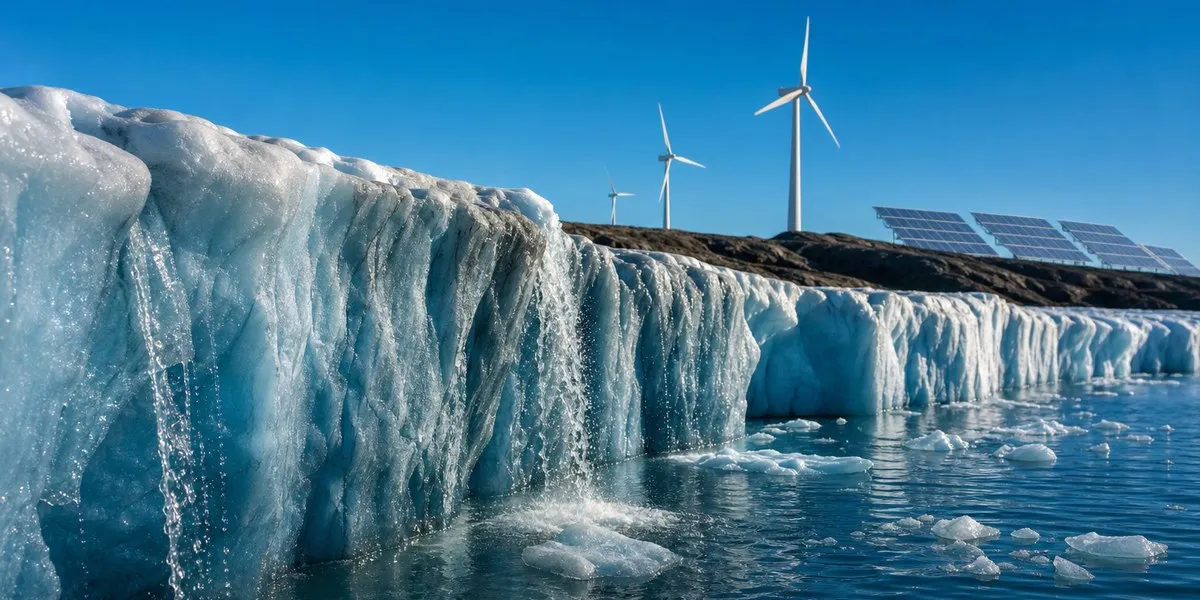
An international coalition of climate scientists reported in its annual assessment that seven of 16 monitored indicators of Earth’s condition have reached record extreme levels. As ScienceAlert reports, researchers also recorded alarming trends in several other indicators of the climate system.
Report co-author William Ripple, an ecologist at Oregon State University’s College of Forestry, said that rapid climate destabilization is already a diagnosis rather than merely a warning for the future. This is the seventh annual update in a series of studies on the state of the climate, prepared by an international group of scientists.
CO₂, warming and glaciers
Atmospheric carbon dioxide concentrations exceeded 428 parts per million in May. The report notes that this is the highest level in the past 2 million years. The current atmospheric concentration of CO₂ is approximately 50% higher than at the end of the 18th century, before the Industrial Revolution began.
Scientists also pointed to an acceleration in the pace of global warming: from 0.19°C per decade in 1970–2010 to about 0.36°C per decade since then. Glacier thickness and Greenland’s ice mass have fallen to record lows, while meltwater together with the thermal expansion of seawater contributes to sea-level rise.
More current news is available on the UA.News Telegram channel Telegram.
Wildfires in 2025 reduced global tree cover by 10.8 million hectares, the third-highest figure on record. The authors stress that fires release greenhouse gases, creating a risk of dangerous feedback.
The share of low-carbon electricity is growing
At the same time, fossil fuel consumption rose by 0.9% in 2025, while the use of oil, coal and natural gas reached record levels. Annual energy-related CO₂ emissions exceeded 41 gigatonnes for the first time.
Despite this, low-carbon sources now provide about 43% of global electricity generation. Study co-author and data specialist Christopher Wolf linked this figure to the possible beginning of an “age of electricity,” but stressed that the transition must accelerate sharply. The report was published in the scientific journal BioScience.




