
Israel’s court hears petition to protect lawyers from harassment — Jerusalem Post
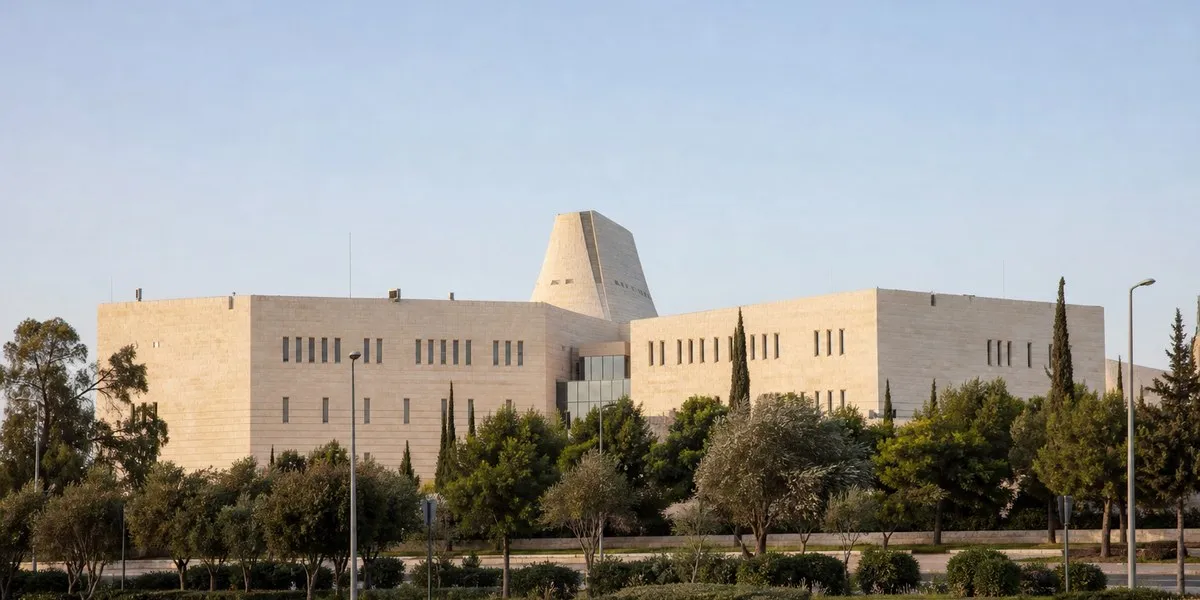
Israel’s High Court of Justice in Jerusalem is considering a petition by human rights organizations seeking stronger protection for lawyers who face harassment in court buildings. The petitioners say that verbal abuse and aggressive filming have escalated into physical violence, the Jerusalem Post reports.
The petition was filed in 2024 by the Public Committee Against Torture in Israel, HaMoked, Gisha, Yesh Din, and Physicians for Human Rights Israel. They are challenging the policy of the Court Administration and its director, Judge Tzahi Uzel. The case is being heard by a panel of judges Dafna Barak-Erez, Gila Kanfi-Steinitz, and Yehiel Kasher.
Complaints of harassment
The organizations say that right-wing activists harass lawyers representing Palestinians and human rights groups in the corridors of the Supreme Court. According to them, activists film lawyers at close range and accuse them of supporting terrorism. The petitioners stress that lawyers must be able to prepare for hearings without intimidation, communicate confidentially with clients, and represent them in court.
Among the incidents cited in the petition is an episode on March 30, 2026, during a hearing on the return of displaced Palestinians to refugee camps in the northern West Bank. According to the petitioners, an activist followed the lawyers after they left the courtroom and pushed Oded Feller, a lawyer for the Association for Civil Rights in Israel. Feller submitted a written statement to the court supporting this account.
More current news is available on the UA.News Telegram channel Telegram.
The organizations also mentioned a hearing on October 29, 2025, concerning Red Cross visits to detention facilities. According to them, a court security officer escorted lawyers and staff of the Association for Civil Rights in Israel out of the building, while the group waited for transport, hiding behind bushes so as not to attract the attention of a hostile crowd.
Position of the Court Administration
The Court Administration rejects the claim that its policy requires judicial intervention. In its response submitted before the hearing, it said it had strengthened security measures and instructed guards to intervene if filming is used to harass, humiliate, or intimidate lawyers.
The administration also reported additional staff training, advance planning for sensitive hearings, and inspections that found no deviations from instructions. It did not support the idea of a separate area for protests inside the court, stating that a court building is not a place for public protests. Security may respond to violations with measures ranging from verbal instructions to removing people from the building.




