
IDF plans to create corps to counter low-altitude drones — Jerusalem Post
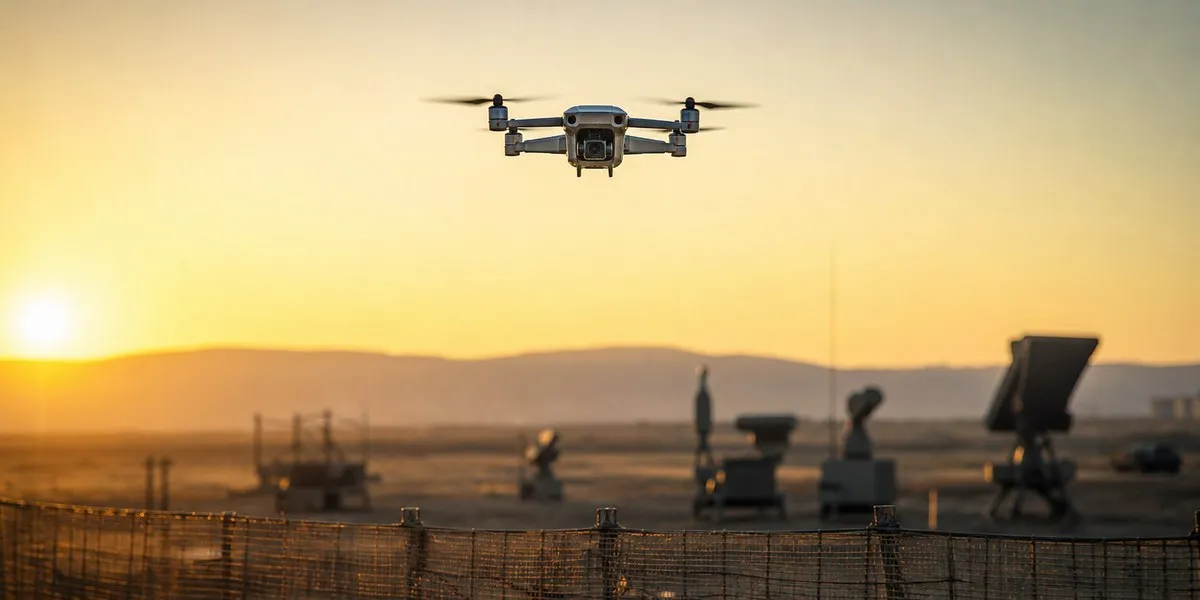
The Israel Defense Forces plan to form a corps to counter unmanned aerial vehicles operating at low altitudes. The establishment of the unit is being developed by IDF Ground Forces commander Major General Nadav Lotan, the Jerusalem Post reports, citing Walla.
Border battalions will form the basis
The new corps will initially consist of five existing border infantry battalions. They guard the borders with Jordan and Egypt, as well as the area of the security barrier in the West Bank.
Under the plan, these units will retain their tasks of protecting land borders while also being responsible for countering mobile threats in airspace close to the ground. The corps’ sixth battalion may reportedly be a tactical air defense unit established during the war in response to threats from Gaza and Lebanon.
More current news is available on the UA.News Telegram channel Telegram.
Resources and training
To form the corps, the IDF plans to allocate substantial Ground Forces resources in addition to the capabilities of the Border Defense Corps. In particular, it envisages involving additional training personnel to create a drone school focused on defensive tasks.
Israel’s military has been trying to counter the threat of low-altitude drones for more than a decade, and this work was accelerated after the Hamas attack on October 7. The threat emerged during Hamas attacks near the Gaza border and at the initial stage of the IDF ground operation in the Gaza Strip. Later, Hezbollah used drones against Israeli military personnel in southern Lebanon and civilians in Israel.
A separate problem is the smuggling of weapons and drugs across the borders with Egypt and Jordan using heavy drones capable of carrying cargo weighing tens of kilograms. The military is also deploying protection systems against various types of unmanned aerial vehicles, including fiber-optic drones. To counter such aircraft, armies use nets, interceptor drones, and ground fire. Military intelligence, including Unit 9900, may take part in developing doctrine, methods of use, procurement, and training.




