
More than 2 million people gather for Pope Leo XIV’s Mass in Buenos Aires — UPI
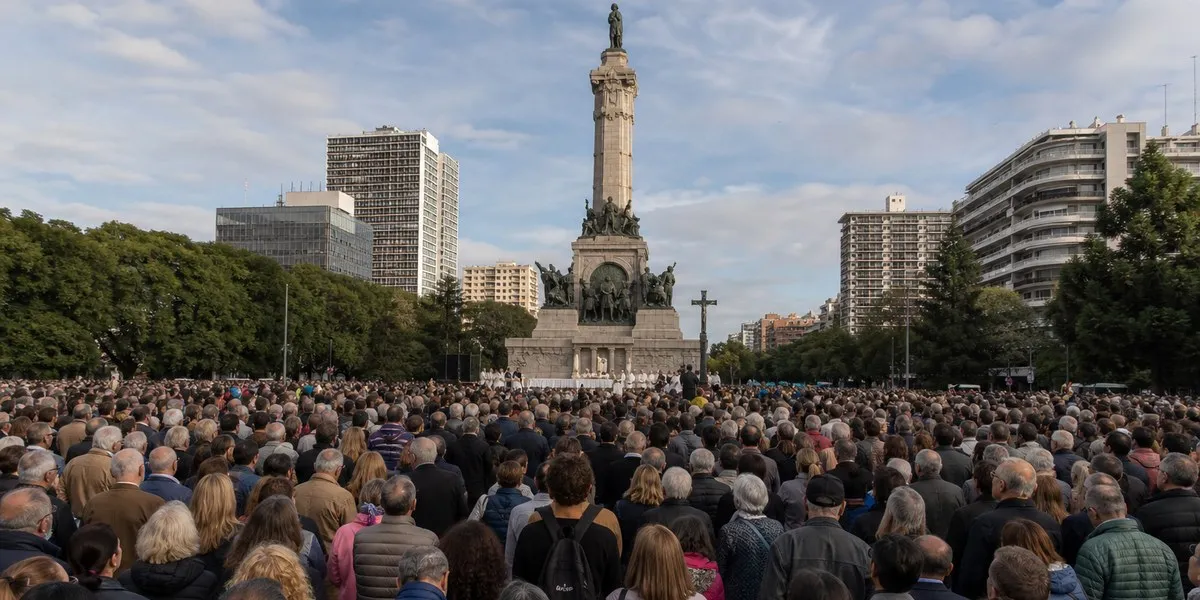
More than 2 million people gathered near the Monument to the Spaniards in Buenos Aires, Argentina, for Pope Leo XIV’s first Mass in the country. This estimate was provided by the authorities of the Argentine capital, UPI reports. The gathering was the largest during Leo XIV’s pontificate and the first papal visit to Argentina in nearly 40 years.
Address on the role of families
In his homily, the pontiff emphasized the role of families in Argentine society and called on them to strengthen their faith as a foundation for overcoming difficulties. He noted that families face instability, social hardships, precarious employment, addictions among young people, painful separations, and domestic violence.
Leo XIV also mentioned his predecessor, Pope Francis, who was Archbishop of Buenos Aires. According to the Argentine outlet Infobae, these words prompted prolonged applause among those present. The pontiff called the family a privileged place for knowing and encountering Christ.
More current news is available on the UA.News Telegram channel Telegram.
Visit to a care center
Before the Mass, the pope visited the Pequeño Cottolengo Don Orione center in Claypole, where people with disabilities live. More than 400 people with severe disabilities reside at the facility on the outskirts of Buenos Aires. As La Nación reported, the pontiff said that a country’s dignity is measured by its commitment to inclusion.
The visit drew attention to budget cuts by the government of President Javier Milei that affect social programs and services for people with disabilities. Argentine authorities say the reforms are intended to reduce unnecessary spending and preserve fiscal balance. At the same time, according to UPI, the Catholic Church called for extending the disability emergency law.
Argentina’s National Disability Agency continued strict inspections and terminated more than 20,000 disability pension payments over alleged irregularities. Opposition lawmakers and church-run care institutions criticized the decision, calling it a continuation of cuts in another form.




