
Japan proposes limiting digital textbooks in schools — Dawn
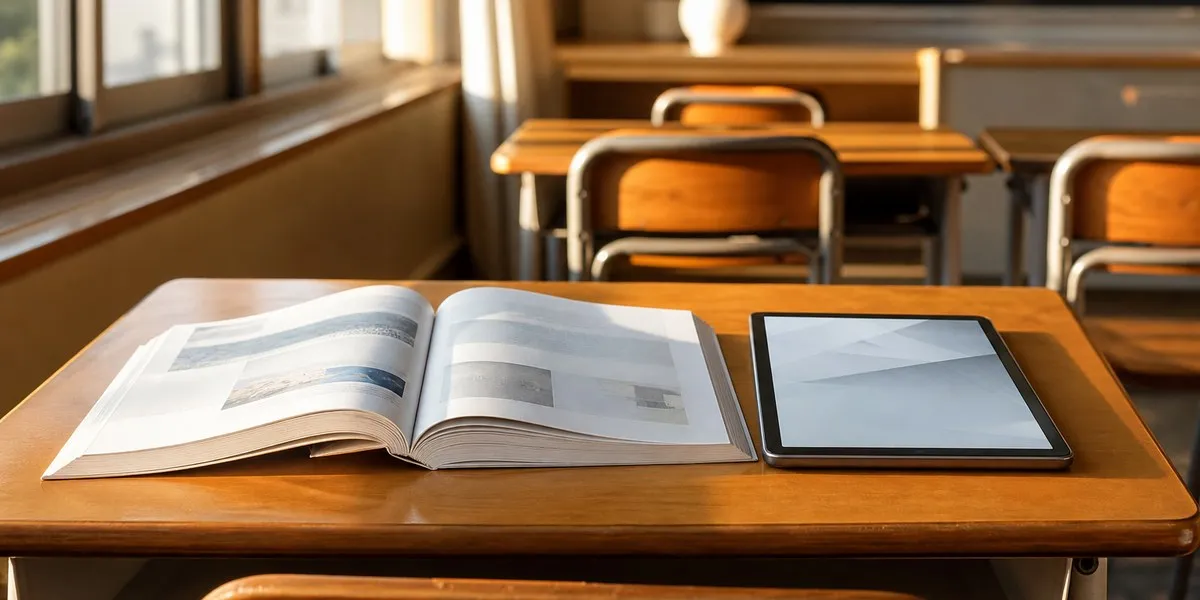
In Japan, a draft set of recommendations by the Ministry of Education provides that paper editions will remain the main textbook format in schools. Digital versions are proposed for use as an additional and auxiliary tool after new textbook formats are introduced from the 2030 academic year, Dawn reports.
Restrictions for younger students
According to the draft, fully digital textbooks will not be permitted for fourth-grade elementary school students and younger. For fifth-graders and older students, their use is proposed to be limited mainly to English and practical subjects, including music and visual arts.
Hybrid textbooks combining printed and digital formats are to become the basic option for all grades and subjects. For fifth-grade students and older, they will be predominantly paper-based, while the digital component is planned to be further limited for younger schoolchildren.
Review of impact on health and learning
In June, Japan adopted amendments to the School Education Act and related legislation. From the 2030 academic year, they provide for three textbook formats: hybrid, fully digital, and paper-only. Video, audio, and other digital materials will be subject to government certification, and their use will become mandatory.
More current news is available on the UA.News Telegram channel Telegram.
The draft recommendations provide for ongoing monitoring of the possible impact of digital textbooks on students' health, including eyesight, as well as an assessment of their impact on learning. Textbook formats may be reviewed based on the results of research conducted in schools. The document also emphasizes the need to ensure time for written assignments during lessons.
The approach prioritizing paper editions is partly based on the position of developmental psychology specialists. One participant in the expert discussion said that digital versions significantly affect children whose cognitive functions are still developing, while another stressed the effectiveness of paper textbooks for learning.
Implementation timeline
The ministry plans to put the draft up for public discussion and give final approval to the recommendations by the end of the year. The new textbook formats are to be introduced in stages: in elementary schools from the 2030 academic year, in junior high schools from 2031, and in senior high schools from 2032. The issue of using artificial intelligence in textbooks will be considered taking into account research findings; support measures for students with disabilities are also envisaged.




