
Pakistan’s annual short-term inflation reaches 11.38% — Dawn
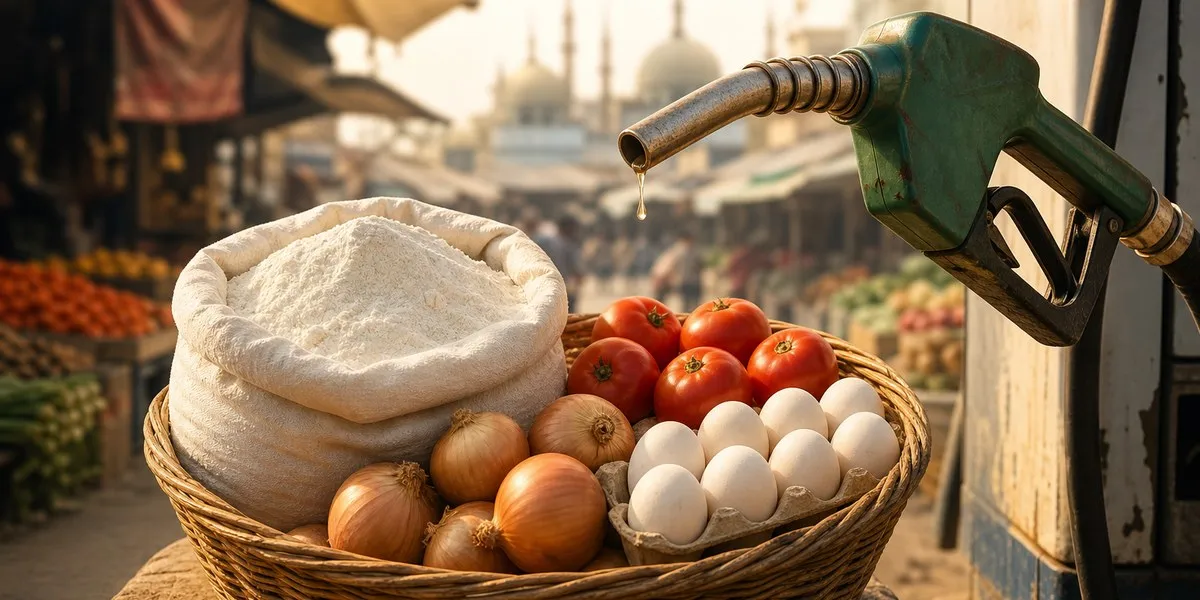
In Pakistan, short-term inflation in annual terms stood at 11.38% for the week ending October 15. The main factor was higher food prices, Dawn reports, citing data from the Pakistan Bureau of Statistics.
Weekly price trends
Of the 51 essential goods monitored by the statistics agency, prices for 23 items, or 45.10%, increased during the week. Prices for seven goods, or 13.72%, declined, while 21 items remained unchanged.
The Sensitive Price Indicator, which reflects short-term inflation, decreased by 0.04% over the week. It is calculated weekly based on prices for 51 goods and services collected at 50 markets in 17 cities across the country.
Over the week, prices rose the most for one type of pulses, by 4.97%; wheat flour, by 3.36%; and chicken, by 3.31%. Prices also increased for eggs, certain types of pulses, firewood, diesel fuel, liquefied gas, and prepared tea. Meanwhile, tomatoes became 23.05% cheaper, onions 4.90% cheaper, bananas 2.59% cheaper, and petrol 0.70% cheaper.
More current news is available on the UA.News Telegram channel Telegram.
Annual rise in fuel and food prices
Short-term inflation has remained at a double-digit level for several consecutive weeks, particularly due to sustained increases in petroleum product prices. The publication notes that the government is not easing the levy on petroleum products and continues to raise prices for petrol and diesel.
In annual terms, prices rose the most for onions, by 75.19%; liquefied gas, by 68.95%; electricity for the first quarter, by 58.59%; petrol, by 49.60%; and diesel, by 43.98%. Wheat flour became 35.13% more expensive, while chicken rose by 20.77%.
At the same time, tomato prices fell by 63.65% over the year, potato prices by 39.93%, sugar prices by 23.20%, and egg prices by 19.83%.




