
Severe drought declared in six areas of England — The Guardian
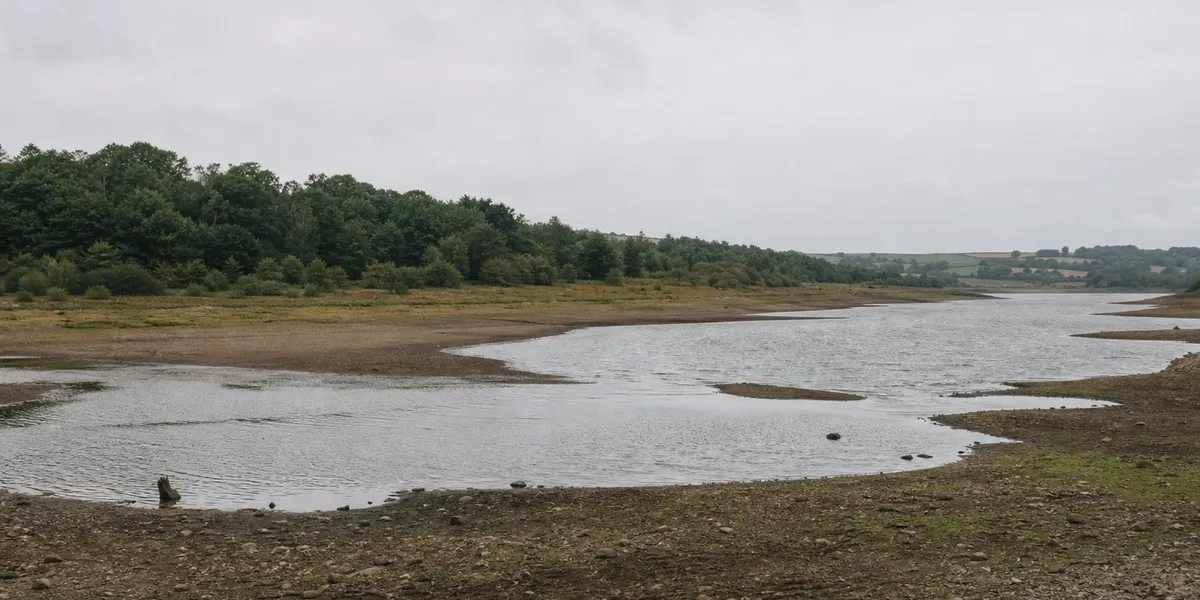
Severe drought has been declared in six areas of England due to critically low water reserves in reservoirs, threatening public water supplies. The status was introduced in parts of Devon, Cornwall, Dorset, Somerset, East Sussex and West Sussex. Authorities are taking urgent measures to provide the population with water, The Guardian reports.
South-east and south-west England experienced their driest period from April to September in more than a century. This affected reservoir storage levels in these regions.
Critically low water reserves
Ardingly Reservoir, which supplies water to about 95,000 properties in Haywards Heath, Uckfield and nearby areas, is only 19% full. Wimbleball Reservoir is at 16% capacity: it supplies South West Water customers in East and North Devon, Somerset and West Dorset, as well as Wessex Water customers in West Somerset.
According to the Environment Agency, reservoir storage at this time of year should be around 75%. The situation at South West Water's smaller reservoirs in Devon and Cornwall is also causing concern. In particular, Drift and Stithians supply water to 56,000 households in Cornwall, while the Tottiford and Venford reservoir group supplies 47,000 households in Devon.
More current news is available on the UA.News Telegram channel Telegram.
Business restrictions not yet approved
South East Water, South West Water and Southern Water have applied for permission to introduce restrictions on non-essential water use by businesses. Potential bans could affect golf clubs, private schools and commercial properties. Environment Secretary Angela Eagle has not yet approved these requests, including those from two companies operating in areas with a severe drought level.
Water Minister Emma Hardy instructed the Environment Agency to prioritize protecting public water supplies where an imminent choice arises between environmental rules and water provision. The National Drought Group announced a switch to daily monitoring of water levels in reservoirs and rivers, as well as enhanced water quality monitoring due to lower dilution of wastewater and the related pollution risks.
Businesses that abstract water independently will also be inspected more frequently to monitor compliance with permitted water abstraction volumes.




