
Trump’s approval rating in the US falls to 30% ahead of elections — TIME
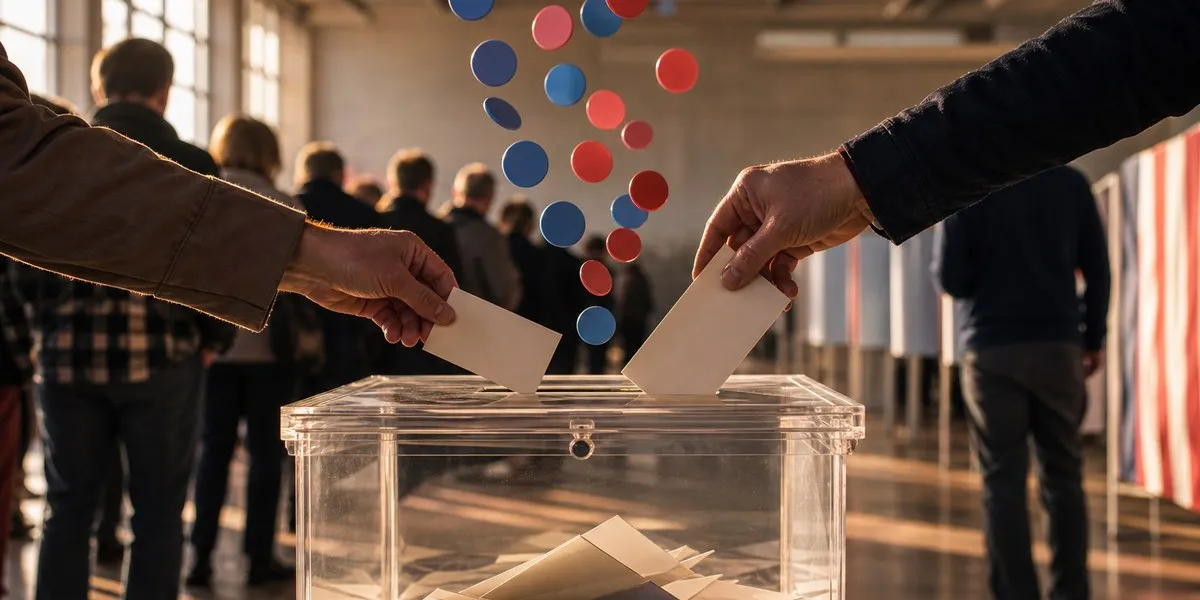
In the United States, President Donald Trump’s approval rating fell to 30% in early October, according to a Pew Research Center poll. This is the lowest figure of Trump’s second presidential term and one of the lowest levels of support for a White House chief ahead of midterm elections in recent decades, TIME reports. The last time a president had a comparably low rating so close to the midterm elections was in 1946, when Harry Truman was head of state.
Economy and cost of living
According to an Associated Press-NORC Center for Public Affairs Research poll, 26% of adult Americans approve of Trump’s actions on the economy. Only 17% support his approach to the cost of living, while 28% approve of the president’s actions regarding the war in Iran.
Peter Enns, a Cornell University professor and co-founder of the research company Verasight, believes that the low approval level is linked to the president’s support for unpopular positions. He also noted that Americans associate the conflict in Iran with exceptionally high gasoline prices.
For 84% of registered voters, the economy is a very important issue ahead of the vote, Pew Research Center found. Foreign policy was described as very important by 57% of respondents.
More current news is available on the UA.News Telegram channel Telegram.
Risks for Republicans
The president’s party usually loses seats in Congress in midterm elections. Kostas Panagopoulos, a professor of political science at Northeastern University, noted that voters may seek partisan balance in Washington, especially when one political force controls the White House and both chambers of Congress.
However, the historical rule has exceptions. In 2002, George W. Bush’s Republican Party gained seats in both the House of Representatives and the Senate; the president’s approval rating before the elections was 63%. In 2022, Joe Biden’s rating stood at 40%; Republicans gained nine seats in the House of Representatives, but Democrats gained one seat in the Senate.
Most polls on electoral preferences currently show Democrats leading Republicans. According to PBS News/NPR/Marist, Democratic voters show greater enthusiasm for the midterm elections: 91% versus 86% among Republicans. Panagopoulos suggested that Republicans could lose seats in both chambers of Congress, although the results will also depend on the candidates and actual voter turnout.




