
Inmates sleep on floors in Cyprus’s central prisons — Cyprus Mail
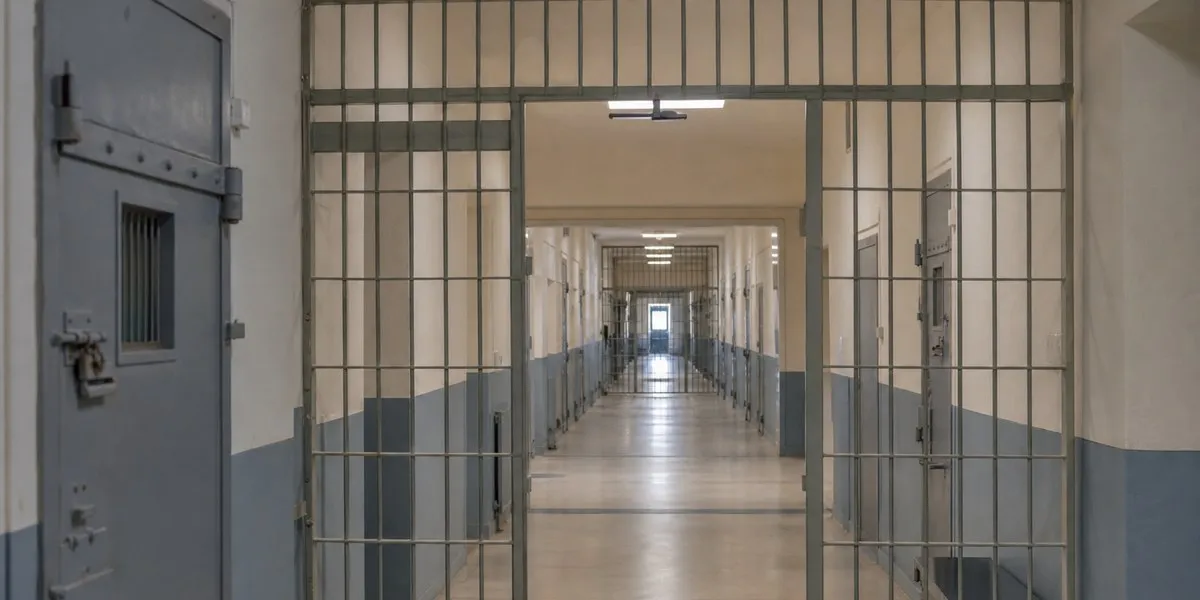
Inmates at Cyprus’s central prisons are forced to sleep on the floor due to overcrowding and insufficient infrastructure, Commissioner for Administration Maria Stylianou Lottides told lawmakers. This was reported by Cyprus Mail.
While presenting her office’s annual report to the parliamentary institutions committee, Lottides said that overcrowding had worsened detention conditions and increased the risk of inhuman or degrading treatment.
Measures against overcrowding
Among the possible ways to resolve the problem, the commissioner named the construction of new prisons and the use of alternatives to detention, including electronic monitoring where permitted.
According to her, office staff visit prisons approximately once every two weeks to review complaints regarding medical care, food, living conditions and the treatment of inmates. Lottides also drew attention to problems in police detention facilities in Lakatamia and Limassol, where infrastructure shortcomings include insufficient space for exercise yards.
More current news is available on the UA.News Telegram channel Telegram.
Complaint statistics
The report states that the commissioner’s office considered 4,655 complaints and investigations, including cases carried over from previous years. Consideration of 2,709 cases was completed, while another 1,783 were resolved through intervention or the provision of explanations without a formal report. A total of 762 complaints fell outside the commissioner’s jurisdiction.
Public services implemented about 91% of interventions that did not require a formal report. For formal reports and investigations, the implementation rate was approximately 55%, while another 21% of cases were at the implementation stage.
The largest share of complaints, 21.1%, concerned entry, residence and the rights of foreigners. Construction issues accounted for 13.1% of complaints, social benefits for 10.9%, and human rights and police activity for 10.1%. Lottides also criticized delays in reviewing social assistance applications, stressing that people in urgent need cannot wait one or two years for a decision.




