
EU summit conclusions provide for reassessment of ETS2 — RMF24
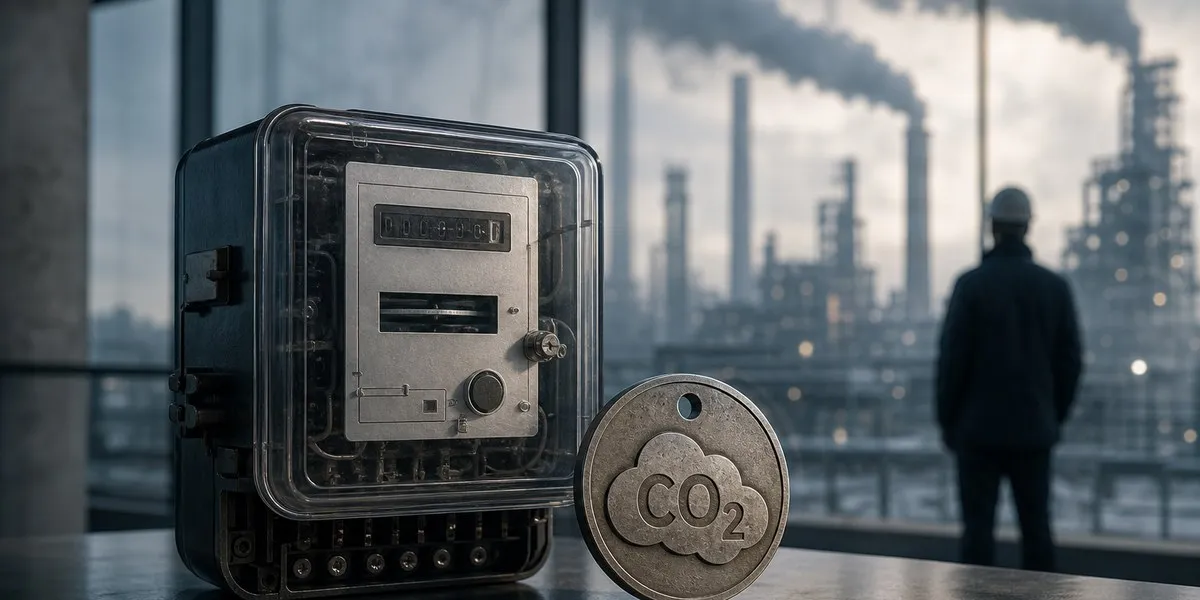
At the EU summit, Poland, together with Italy and the Visegrad Group countries, sought to postpone the ETS2 system until at least 2030. No decision on such a postponement was made, but the summit’s final document provides that the European Commission must update its assessment of all consequences of the system, including its design and protective mechanisms, RMF24 reports.
Assessment of ETS2’s impact
The reassessment must cover potential additional costs for citizens and the economy. This includes, in particular, the impact of ETS2 on fuel prices and home heating, as well as costs for businesses and the transport sector.
The European Commission must also check whether the current rules need changes and whether safeguards are sufficient to protect the most vulnerable consumers from excessive price increases. According to the outlet, the new assessment, against the backdrop of high energy prices and the current geopolitical situation, opens the way for further discussion on a possible postponement of ETS2.
To secure a postponement, Poland needs to form a broader coalition of EU member states. Sweden, Finland and Denmark cautioned against weakening the system, as their businesses have already invested in low-carbon solutions.
More current news is available on the UA.News Telegram channel Telegram.
Industrial competitiveness
The Polish side also insisted that the costs faced by European industry be given greater consideration during the review of the current ETS emissions trading system. The summit conclusions state that the purpose of the review is to improve industrial competitiveness and effectively prevent the relocation of emissions outside the EU.
The document also provides for efforts to make ETS more predictable, limit fluctuations in CO₂ emission prices and strengthen protection against the relocation of production outside the European Union. According to RMF24, the system’s reform is planned to be completed with new rules in the coming months.
Position on the EU budget
Polish Prime Minister Donald Tusk also opposed directing part of the revenue from CO₂ emissions trading to the new EU budget for 2028–2034. He stated that these funds should be used to finance the energy transition and reduce energy prices, while leaving room for discussion of other sources of revenue for the common budget.




