
Hurricane Isaias leaves nearly 396,000 customers without power — The Guardian
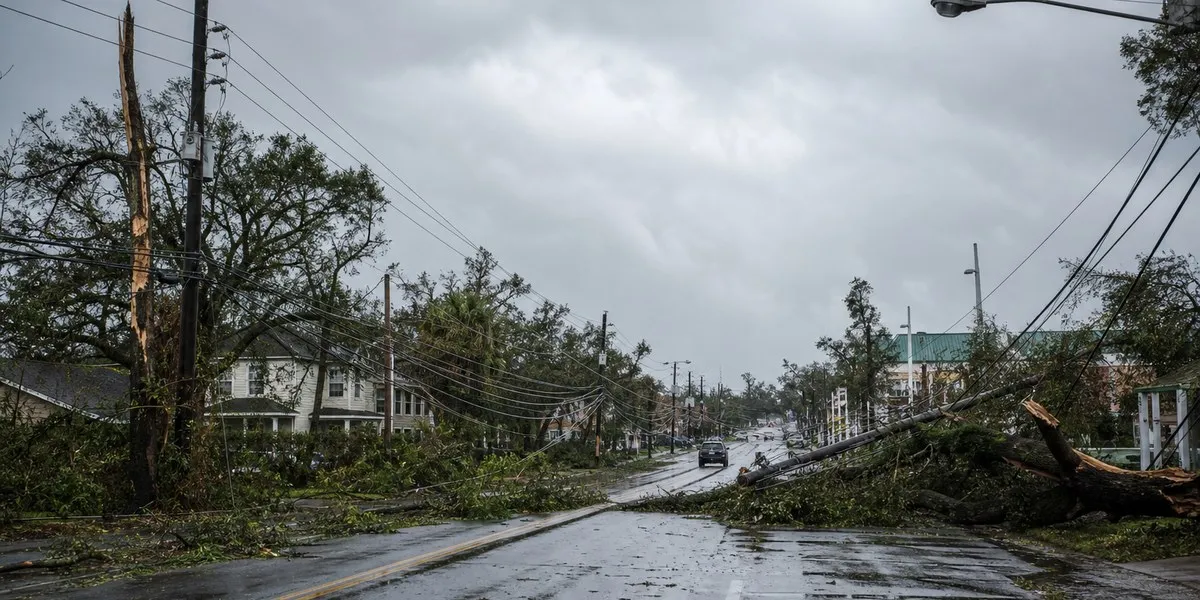
Nearly 396,000 customers in the Florida Panhandle and southern Alabama remained without electricity as of Sunday morning after Hurricane Isaias. The remnants of the cyclone were moving north, while moderate to heavy precipitation was forecast in the central Appalachians and the Mid-Atlantic region, The Guardian reports.
Deaths and damage
At least four deaths were linked to the storm. In Florida and Alabama, two people died after trees fell on residential buildings. In Escambia County, Florida, a woman died when a tree fell on her home. In the same area, a man died of carbon monoxide poisoning due to a generator operating in a garage. Four members of his family, aged 4 to 72, received medical treatment; they were expected to survive.
In Alabama, one person died after a tree fell on a house in Birmingham. Another death in the state was linked to a car crash involving a fallen tree in Barbour County. In Mobile, authorities reported numerous fallen trees and power lines.
More current news is available on the UA.News Telegram channel Telegram.
Risk of flash floods
Isaias made landfall near Destin, Florida, on Friday as a Category 2 hurricane. Hurricane-force winds in the Florida Panhandle tore the roof off a hotel in Pensacola, destroyed a boat hangar in Destin, and ripped off part of the facade of a high-rise building in Panama City Beach. The mayor of Pensacola also reported that the local airport had been damaged.
The US National Weather Service warned that heavy rain could cause localized flash flooding and strong wind gusts, especially near the southern Appalachians. Rainfall capable of causing flash floods was also expected in Georgia and the Carolinas. The danger of high waves and rip currents persisted along the Gulf Coast and the southeastern Atlantic coast.
US President Donald Trump approved an emergency declaration for Georgia, and previously for Florida and Alabama, allowing federal assistance to be provided. The US Department of Energy also authorized an emergency exchange of oil from the strategic reserve due to storm-caused supply disruptions.




