
15.9 million people in Afghanistan face acute food shortages — Dawn
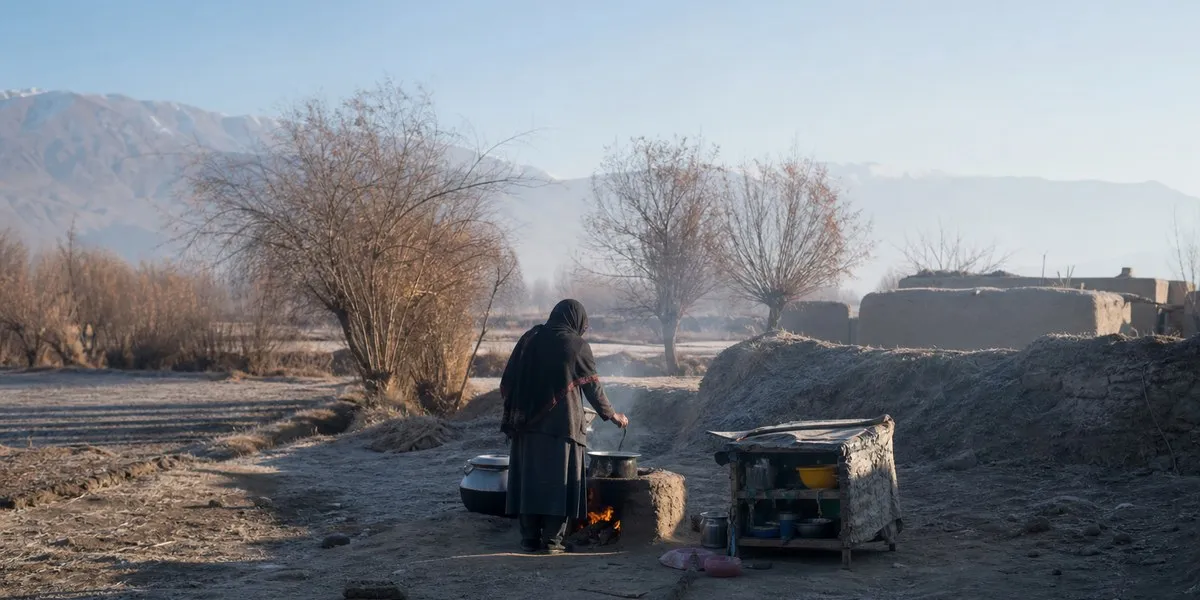
In Afghanistan, 15.9 million people are facing acute food shortages, while levels of acute malnutrition and hunger in the country have reached the highest point ever recorded. This was reported by Dawn, citing a report by the Integrated Food Security Phase Classification (IPC).
More than 32% of the country’s population is at Phase 3 or higher of acute food insecurity. In particular, 3.4 million people are experiencing an emergency level of food insecurity — Phase 4 under the IPC classification.
Deteriorating situation in winter
Between November and April, the winter food shortage season, the situation may worsen. According to projections, nearly 19.2 million residents of Afghanistan could face Phase 3 or higher acute food insecurity, including 5 million at the emergency level.
The report cites disease outbreaks, inadequate water supply, sanitation and hygiene conditions, as well as a significant reduction in access to malnutrition treatment services as reasons for the deterioration. Although improved rainfall and harvests have supported food availability, cuts to humanitarian aid are weakening families’ ability to cope with the crisis.
More current news is available on the UA.News Telegram channel Telegram.
According to the IPC assessment, 4.04 million children under the age of five will require treatment for acute malnutrition from January to December 2027. The World Food Programme and the UN Food and Agriculture Organization called for an urgent increase in funding for food assistance, emergency agricultural support, and the prevention and treatment of malnutrition.
Human rights restrictions
Separately, the UN Assistance Mission in Afghanistan reported a further narrowing of fundamental human rights in the country from July to September. The greatest restrictions affect women and girls: girls are still barred from receiving formal education after the sixth grade.
The mission recorded more than 50 hijab-related cases, mainly in Herat and Kabul. Women were also prevented from visiting medical facilities and markets without being accompanied by a male relative. According to UNAMA, the mission documented at least 443 cases and 97 incidents of mistreatment by inspectors for integrity and morality over violations involving, among other things, hijab, beards, prayer or listening to music.
UNAMA also documented the public flogging of 22 men and six women on charges including theft and adultery. In August, a new police law was published that bans all demonstrations.




