
More than 2,000 people in Estonia await specialized care — ERR News
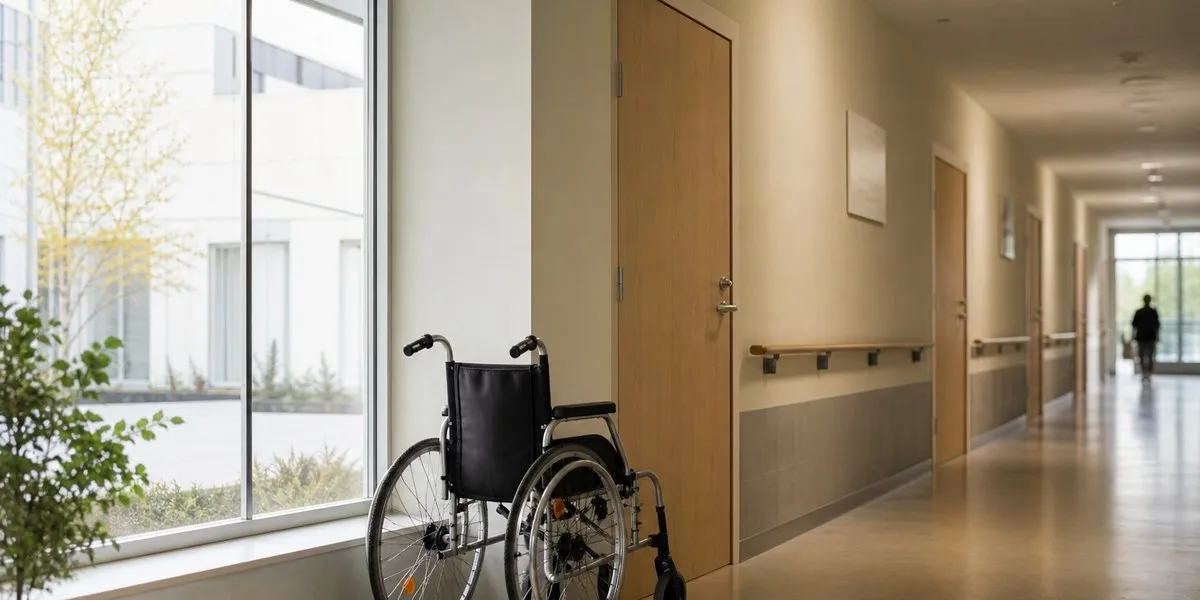
In Estonia, more than 2,000 people who need specialized care are waiting for services due to a lack of funding and places in the system. ERR News reports.
Specialized care is intended primarily for people with severe mental disorders or intellectual disabilities for whom other forms of social support are insufficient. Ragnar Vaiknemets, chairman of the management board of the social services organization AS Hoolekandeteenused, said that a person added to such a waiting list now may not receive a place during their lifetime.
A queue without an assessment of urgency
According to Vaiknemets, people's need for assistance is not regularly reassessed, while priority in the queue is determined mainly by the date of entry on the list rather than the urgency of the situation. There is a particular shortage of places for people with autism and multiple disabilities, who may need such support throughout their lives.
The Riigikogu Social Affairs Committee is working on a bill that is intended to change the principle for forming the queue: to take into account a person's actual need for the service rather than only the time they were added to the list.
More current news is available on the UA.News Telegram channel Telegram.
In spring, Estonia's Supreme Court ruled that the state is obliged to provide a place in a specialized care institution to a person who needs it. The court stressed that a lack of funds or places cannot be grounds for remaining on the waiting list indefinitely.
Dispute over funding
Estonia's draft state budget for 2027 has already passed its first reading, but funding for specialized care remains disputed. According to the data cited in the report, the system needs €200 million over four years, while only €37 million in additional funding has been allocated for the entire social affairs and healthcare sector. The share of these funds that will go specifically to specialized care has not yet been determined.
The government has also set aside a €7.4 million reserve for the social sector, intended for negotiations with the opposition over support for the budget. Signe Riisalo, chair of the parliamentary Social Affairs Committee, said that allocating at least this amount for next year and subsequent years could make it possible to create new places and somewhat increase staff pay.




