
In Ohio, 14 municipalities restricted data centers — Fortune
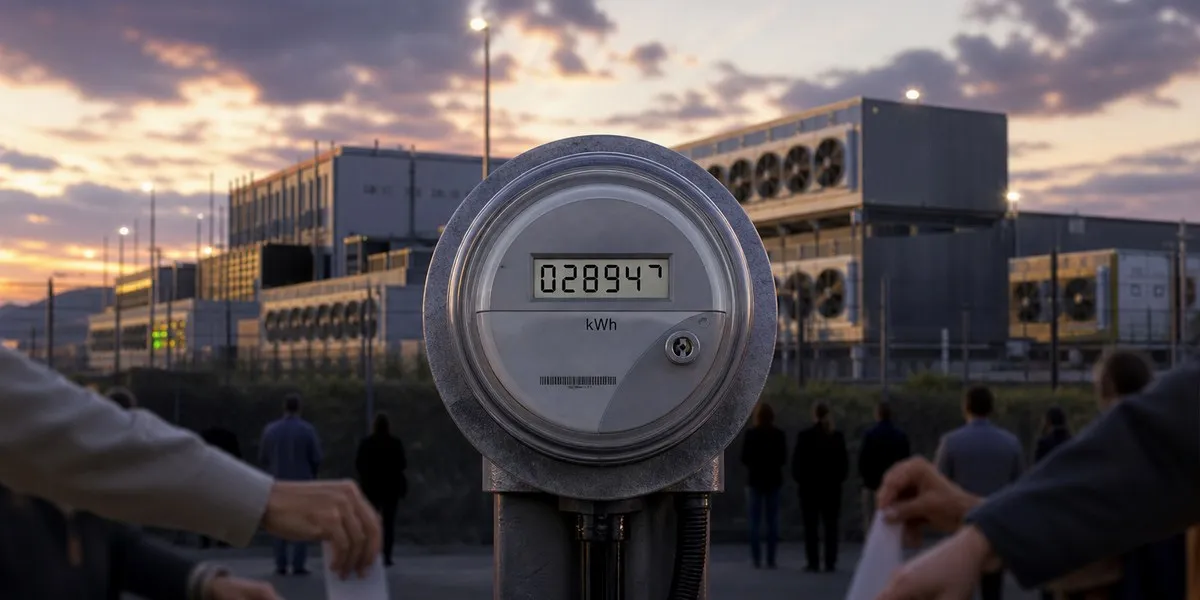
In the United States, at least 14 municipalities in Ohio on Tuesday approved bans or other restrictions on data centers. They include Sunbury, where the restriction is aimed at a planned Amazon data center. As Fortune reports, rising electricity bills have become one of the main arguments of opponents of the large-scale expansion of infrastructure for artificial intelligence.
Electricity and the election campaign
Candidates from both parties in Midwestern and Mid-Atlantic states linked the cost-of-living issue to electricity consumption by data centers. Abdul El-Sayed, who NBC News projected to win the Senate election in Michigan, called for not raising rates for households and demanded that data centers pay for their own energy demand.
In Ohio, Democrat Sherrod Brown defeated Republican Senator Jon Husted while advocating for the repeal of tax breaks for companies building data centers and for those companies to pay for the utilities needed to operate such facilities. Both candidates for Ohio governor — Democrat Amy Acton, who won, and Republican Vivek Ramaswamy — proposed a moratorium on new data centers. In Michigan, Republican Mike Rogers supported a one-year moratorium in August, while Republican Byron Donalds, who won the Florida governor's race, proposed restrictions for such facilities.
More current news is available on the UA.News Telegram channel Telegram.
Rising costs
Fortune notes that grid operator PJM Interconnection, which serves 13 states from New Jersey to northern Illinois, recorded a jump in prices for reserve generating capacity: from $28.92 per megawatt-day in 2024–2025 to $329.17 in 2026–2027. Independent market monitor Monitoring Analytics estimated that data centers accounted for 63% of the price increase at the 2025–2026 auction. According to the Institute for Energy Economics and Financial Analysis, this amounted to $9.3 billion, which was recovered from consumers through higher rates.
According to the Institute for Energy Economics and Financial Analysis, this adds about $16 per month to the average household bill in Ohio and $18 in western Maryland. Consulting firm ICF forecasts that by 2030, rates for residential consumers in the PJM area could rise by 30–60%.
At the same time, the Ohio Manufacturers' Association rejected claims that data centers themselves are causing electricity to become more expensive. Amazon did not say whether the local votes would affect its expansion plans, but stated that its commitments to the communities where it operates remain unchanged.




