
UK to raise company car tax from 2030 — Autocar
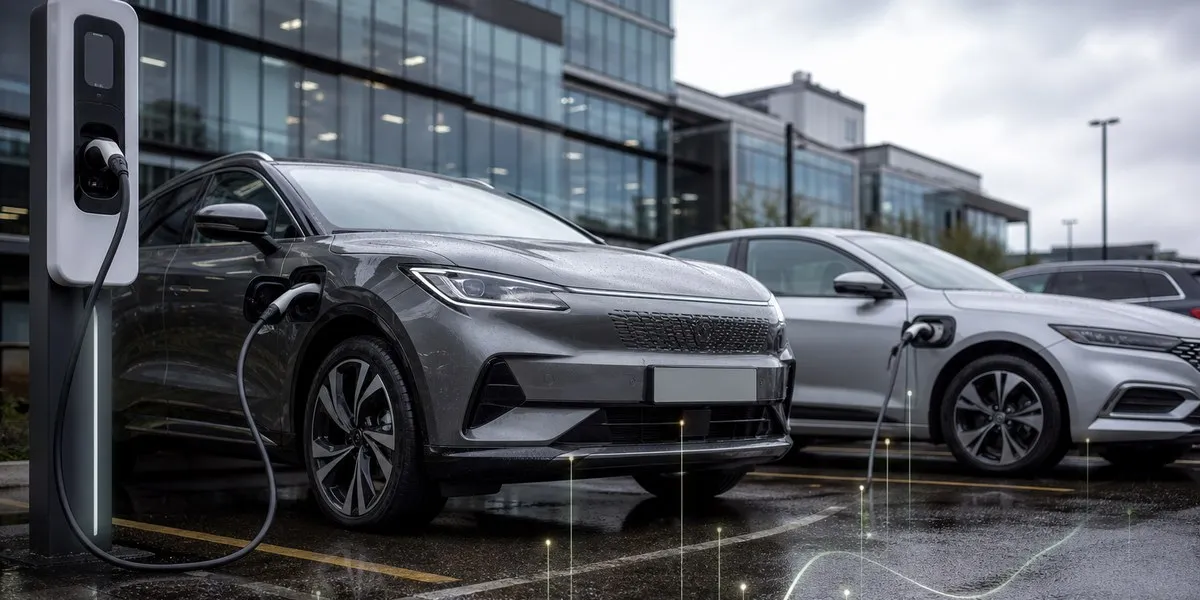
In the United Kingdom, the Autumn Budget confirmed an increase in benefit-in-kind (BIK) tax rates for using company cars for private journeys. In April 2030, all rates will rise by one percentage point, while electric vehicle drivers will see the largest increase over the period through the 2030/31 tax year, Autocar reports.
How drivers’ payments will change
BIK is paid by company car drivers, including participants in salary sacrifice schemes, for the ability to use a vehicle for personal purposes. This benefit is treated as additional salary and taxed at the income tax rate, which is usually 20% or 40%.
The taxable value of a car is calculated as a proportion of its list price. The rate depends on the vehicle’s value and its CO2 emissions level. There are currently 27 tax bands, ranging from 4% to 37%. According to HMRC, three quarters of company car drivers pay BIK on vehicles emitting less than 50 g of CO2 per kilometre.
For electric vehicles, the BIK rate will increase from 4% in the 2026/27 tax year to 10% in 2030/31. For a 20% taxpayer using a Volkswagen ID.3 79kWh Style, the monthly payment will rise from £27 to £67.
More current news is available on the UA.News Telegram channel Telegram.
Plug-in hybrids and business costs
The increase will be more noticeable for plug-in hybrids. The 2024 Budget removed incentives for vehicles emitting between 1 and 50 g of CO2 per kilometre that encouraged a greater electric range, placing them in a single 18% category. For a Volkswagen Golf eHybrid with an electric range of 88 miles, the BIK rate will rise from the current 7% to 20% in 2030/31, while the monthly payment will increase from £44 to £133.
Fleet Operations consulting and strategy director Dave Bushnell said that the budget was a step towards restoring confidence, but did not make used electric vehicles more affordable for employees. According to him, drivers continue to pay tax calculated from the vehicle’s original price even if it has substantially lost value.
The budget also confirmed changes to capital allowance rules for companies purchasing cars. Businesses can write off 100% of the cost of an electric vehicle, 14% for vehicles emitting from 1 to 50 g of CO2 per kilometre, and 6% for cars with higher emissions. The main rate for plug-in hybrids in this category already fell from 18% to 14% in April 2026 and is set to decline to 12% in April 2027. At the same time, the ability to write off 100% of monthly lease payments for leased vehicles emitting up to 50 g of CO2 per kilometre has been retained.




