
Analysts report new variants of Iranian ballistic missiles — Jerusalem Post
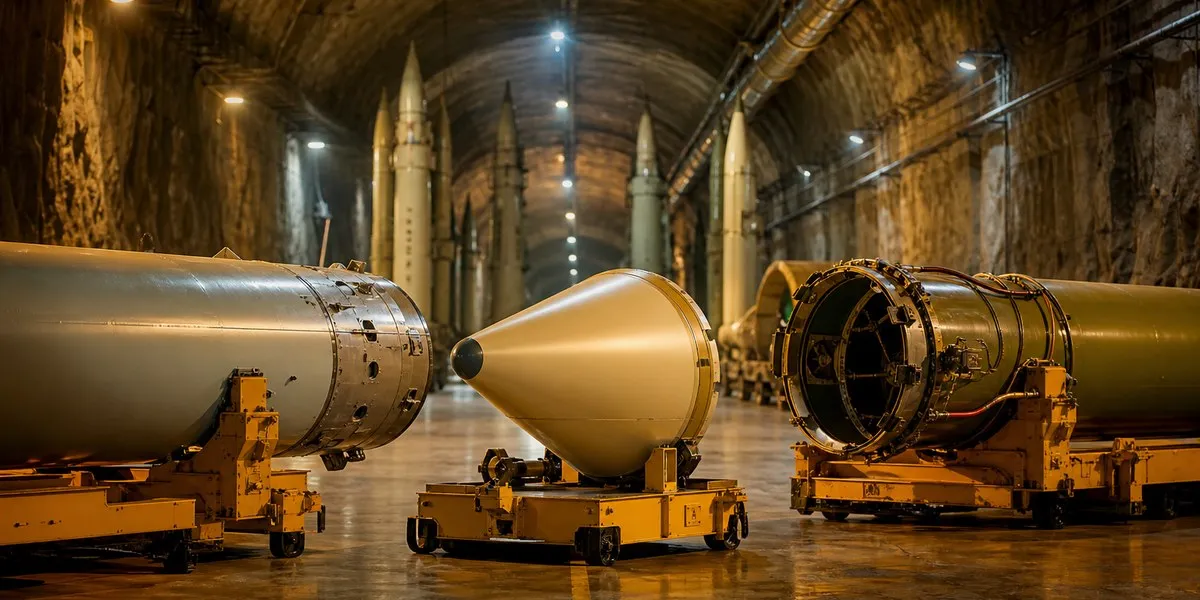
Iran is likely developing new variants of medium-range ballistic missiles, combining more powerful engines with warheads capable of maneuvering before striking a target. This is stated in an assessment by the US-based Institute for the Study of War and the Critical Threats Project at the American Enterprise Institute, reports the Jerusalem Post.
Missiles with maneuverable warheads
According to analysts' assessment, the Islamic Revolutionary Guard Corps is developing hybrid missile variants. They may combine the Haj Qassem ballistic missile engine with the warheads of the Kheibar Shekan, Kheibar Shekan-2 and Fattah-1 missiles, equipped with maneuverable reentry vehicles.
Analysts noted that the more powerful Haj Qassem engine may provide a higher missile speed during the terminal phase of flight. This leaves air defense systems less time to respond. Maneuverable warheads, in turn, can change trajectory before impact, which is intended to complicate interception and improve strike accuracy.
More current news is available on the UA.News Telegram channel Telegram.
Underground facilities and production
On November 21, Iranian media showed footage of an underground facility with missiles. According to the publication, the video showed a launcher capable of launching two missiles. In recent weeks, Iran has displayed several such underground complexes, which it calls “missile cities.”
ISW and the Critical Threats Project also indicated that Iran is likely able to produce hybrid variants with minimal changes to production and supply chains. In their assessment, Haj Qassem, Kheibar Shekan-2 and Fattah-1 belong to the Fateh-110 family and have similar technologies and supply chains. At the same time, analysts stressed that following strikes in spring 2026, the exact scale of Iran's production capabilities and missile stockpiles remains unclear.
The report also states that the economic impact of the US naval blockade is increasingly troubling Iranian officials. Mohsen Rezaei, secretary of Iran's Supreme National Security Council, said on November 24 that the country and its armed forces are determined to break the blockade.




