
Israeli army confirms General Bluth’s meeting with officer — Jerusalem Post
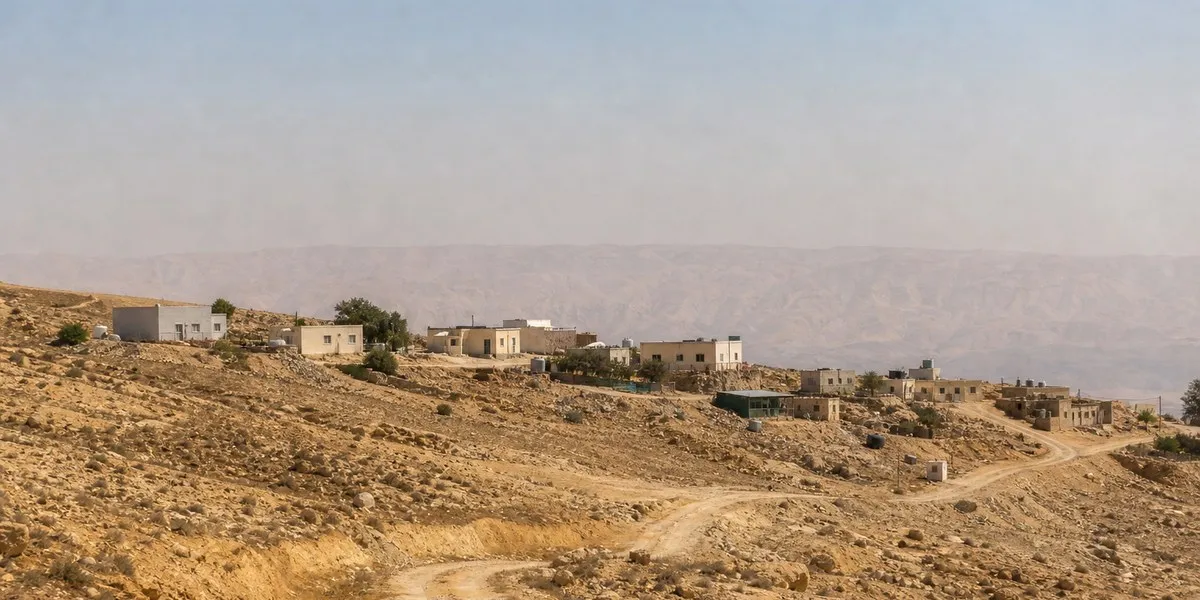
In the West Bank, military sources confirmed that the commander of the Israel Defense Forces’ Central Command, Major General Avi Bluth, met with the regional defense officer, Lieutenant Colonel Elitzur Trabelsi, before settlers recently moved to a new outpost near Jericho. At the same time, the military denied that the move was discussed during the meeting or coordinated while bypassing Bluth’s responsible subordinates.
Conflicting accounts
As the Jerusalem Post reports, Haaretz previously wrote that Bluth allegedly had several conversations in the days before the settlers’ arrival with representatives of the Binyamin Regional Council, the Nachala settlement movement, and Trabelsi. According to Haaretz, Trabelsi was involved in coordinating the move. The outlet also claimed that Bluth ordered that his usual subordinates, who should have handled the matter, not be involved.
Military sources said that Bluth regularly holds numerous meetings with officials from West Bank settler communities on routine matters. According to their version, the contacts with Trabelsi concerned precisely such matters, rather than the plan reported by Haaretz. The IDF officially called the entire Haaretz report false. The Jerusalem Post noted that it was unable to independently verify either account.
More current news is available on the UA.News Telegram channel Telegram.
Land status review
Central Command commanders also visited the site of the incident near Jericho. According to an army representative, claims regarding the purchase of the land will be reviewed over the next week. The purchase procedure currently remains unclear, as does whether it received approval from the Civil Administration.
Bluth decided that, until further notice, entry into and exit from the area several times a day would take place under military escort. There are currently no plans to increase the military presence in the area, although the additional task may affect other operational tasks of the units. The Civil Administration also determined that two Bedouin families decided to leave their temporary structures in the area, despite the army’s offer to help them avoid evacuation.




