
Audi postpones start of electric A4 production until 2029 — Autocar
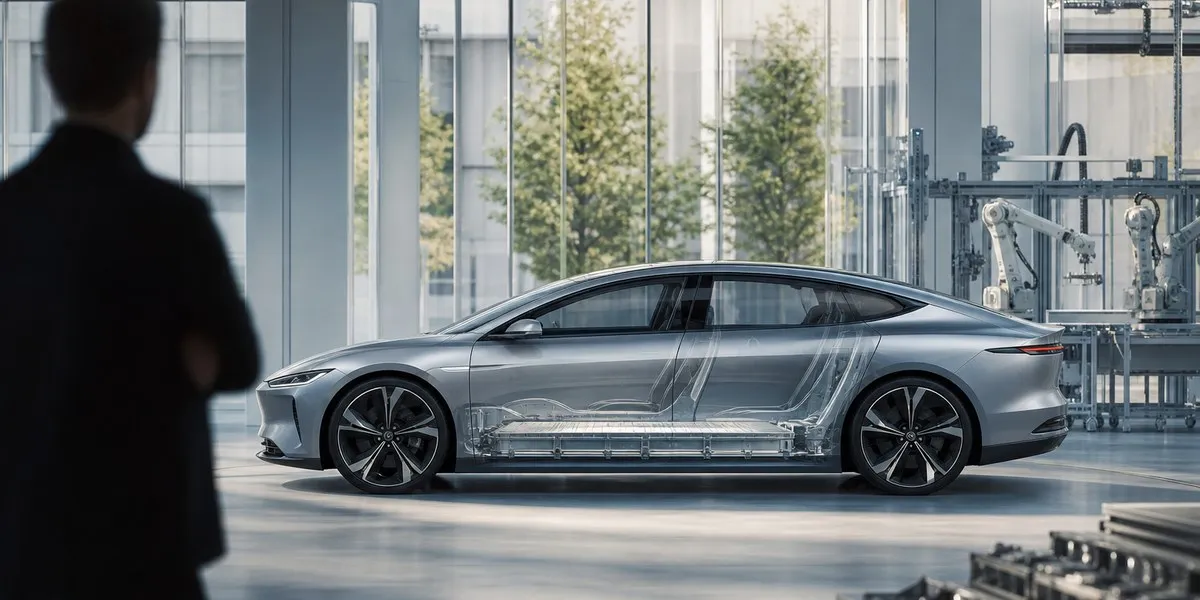
In Germany, Audi does not plan to begin production of the electric A4 E-tron sedan before 2029. The model had previously been scheduled to launch at the Ingolstadt plant in 2028 as one of the first vehicles on the new Scalable Systems Platform (SSP), Autocar reports.
The electric A4 was conceived as a competitor to the BMW i3, the electric Mercedes-Benz C-Class and the Tesla Model 3. The delay leaves Audi without a competitor in the mid-size premium electric vehicle segment. The petrol-powered A4 was renamed the A5 in its new generation, while its electric equivalent was meant to become an important model for the brand.
SSP platform delays
Volkswagen Group unveiled the SSP platform with an 800-volt architecture in 2021. It was intended to gradually replace the MEB and PPE electric vehicle platforms, as well as the MQB, MLB and MSB architectures for models with internal combustion engines. Production of vehicles based on SSP was initially planned to begin in 2026, and the group projected that more than 40 million cars would eventually be built on this architecture.
More current news is available on the UA.News Telegram channel Telegram.
SSP's launch is now at least three years behind the original schedule. Volkswagen previously also announced a delay in the development of the ninth-generation electric Golf on this platform due to spending constraints. The first SSP models are expected to be the electric Volkswagen T-Roc and the related electric Golf, which are planned to be produced in Wolfsburg.
Changes for the electric A4
The reasons for the latest postponement are not limited to the long-running software problems at the Cariad division. According to Autocar, Audi demanded refinements to the SSP version for its sedan in order to provide the A4's characteristic layout, seating position and cabin proportions.
In particular, this concerns separate footwells for front- and rear-row passengers instead of the completely flat floor typical of many electric vehicle platforms. This required a review of the placement of the battery and high-voltage components beneath the cabin. As the publication reports, Audi also provided for a 48-volt onboard system instead of the planned 12-volt one, which required additional engineering changes to the electronic architecture.




