
CREA: China avoided more than $9 billion in fossil fuel imports — Climate Home News
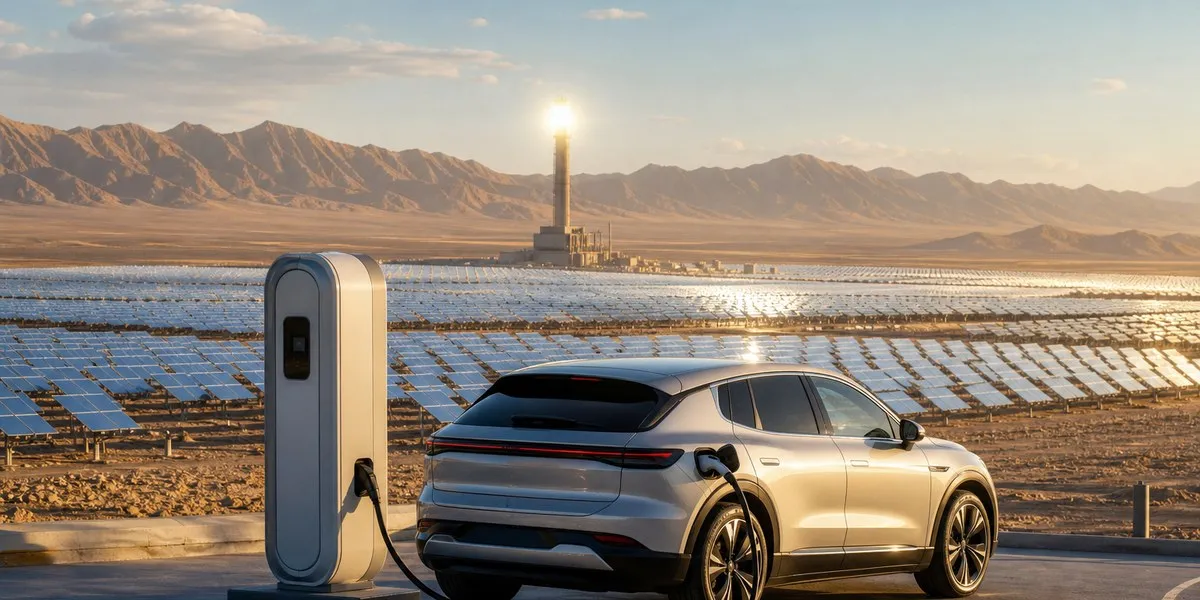
Rapid expansion of clean power generation and the electrification of the economy strengthened China’s energy resilience during disruptions to oil and gas supplies through the Strait of Hormuz. According to the Centre for Research on Energy and Clean Air (CREA), growth in renewable and nuclear energy capacity since 2020 enabled China to avoid fossil fuel imports worth more than $9 billion between March and August. This was reported by Climate Home News.
Electric vehicles reduced the need for oil
After oil and gas flows through the key trade route stopped, energy prices rose, while China, the world’s largest crude oil importer, sharply cut its purchases. The country began using its reserves and restricted exports of petroleum products.
According to CREA’s analysis, the reduction in imports did not cause the economic and social disruptions in China that could have been expected from a shock of this scale. Some of the effects were mitigated by temporary adaptation measures, while clean electricity and the electrification of transport reduced the economic costs of the oil shock.
According to CREA’s calculations, the spread of electric vehicles between March and August displaced 38 million tonnes of oil equivalent. This corresponds to approximately 13% of China’s crude oil imports during the same period of the previous year.
More current news is available on the UA.News Telegram channel Telegram.
China’s targets and COP31 negotiations
Report author Qi Qin noted that China remains dependent on imported fuel, particularly where oil is used as a feedstock for the chemical industry. At the same time, he said, declining demand for fossil fuels is already strengthening the country’s energy security.
CREA also indicates that clean generation in 2025 already covered all of China’s growth in electricity demand. The centre forecasts that by 2030, renewable and nuclear sources could provide 54% of electricity generation, exceeding China’s target of obtaining half of its electricity from non-fossil sources by the end of the decade.
In August, Chinese authorities set a target of increasing electricity’s share in final energy consumption to 35% by 2030. This is five years earlier than the global benchmark of 35% by 2035 proposed by Turkey, which will be discussed at the COP31 climate talks in Antalya.




