
Researchers identify different routes of juvenile and adult manta rays in Costa Rica — Cyprus Mail
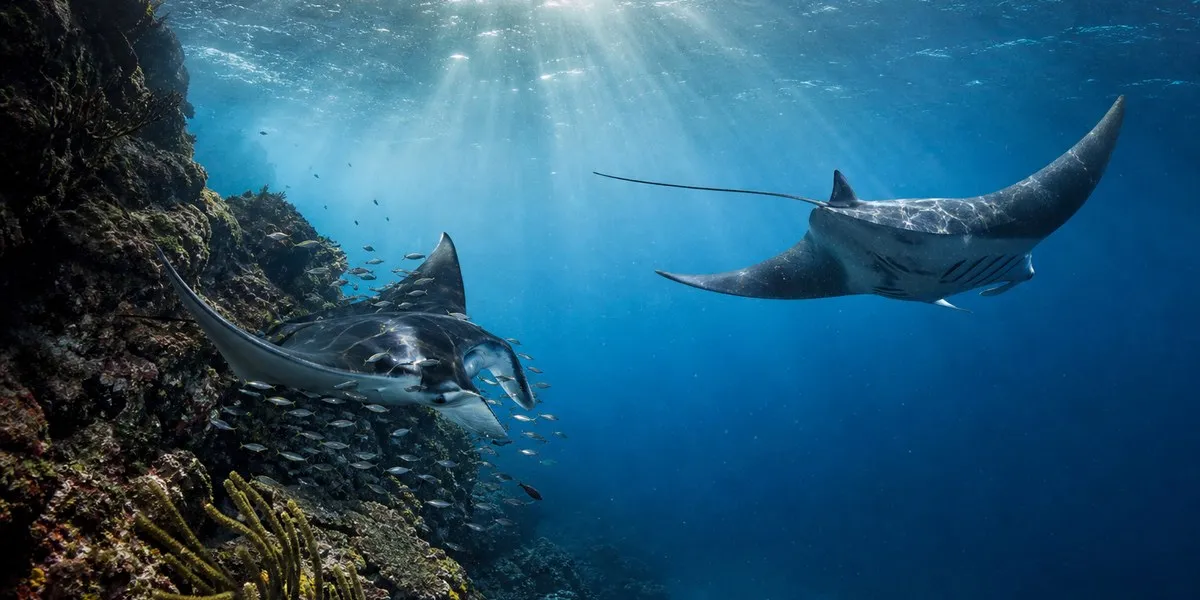
Researchers off the coast of Costa Rica have found that juvenile oceanic manta rays remain in coastal waters, while adults can travel hundreds of kilometres. This was reported by Cyprus Mail, citing a study published in the journal Frontiers in Fish Science.
Observations in 2018–2025
Between 2018 and 2025, scientists fitted acoustic transmitters to 59 manta rays, while another 12 individuals were tracked using satellite tags. The animals were also identified through photographs. The lead author of the study was Jeffrey Madrigal-Mesén, director of the Mantas Costa Rica research group.
Manta rays that had not yet reached maturity and measured approximately 3 to 3.5 metres across mostly did not leave Costa Rica's exclusive economic zone. Adult animals measuring about 4 to 4.5 metres travelled long distances, with some reaching waters near Guatemala.
Risks and coastal reefs
Madrigal-Mesén suggested that younger manta rays may avoid long-distance movements because of the threat posed by large predators, including orcas and tiger sharks. According to him, injuries are often visible on manta rays' bodies, and their shape may indicate bites from large marine predators.
More current news is available on the UA.News Telegram channel Telegram.
Researchers also recorded that manta rays repeatedly return to the same coastal reefs, where small fish clean parasites from their skin. Feeding, courtship and recent mating were observed in these areas, so scientists believe they may also serve as sites of social interaction.
The need to protect routes
The tracking data challenge the previous assumption that manta rays near Costa Rica migrate from populations in Ecuador or Mexico. The team is investigating the possibility of a separate Central American population through genetic research.
After leaving the area around Cocos Island and most monitored coastal areas, manta rays entered waters without protected status, where they face threats from fishing and vessel traffic. Scientists stress the need to protect the marine corridors used by these animals.




