
Egypt launches solar program for 7,000 factories — OilPrice
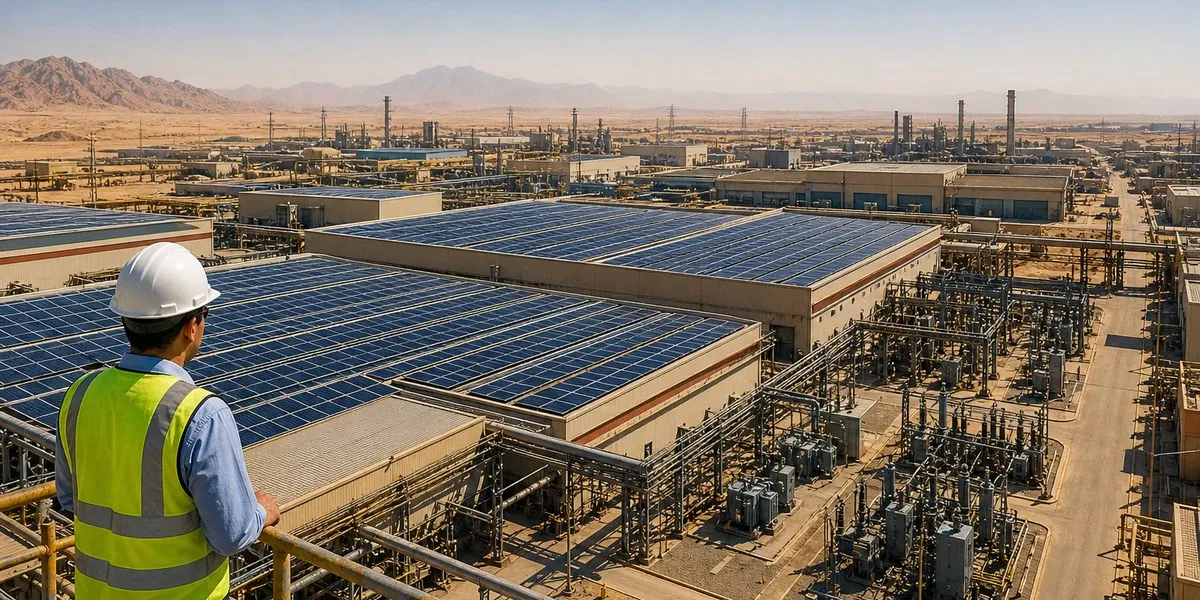
Egypt has launched the Shams El-Senaa, or Industry Sun, program, which provides for the installation of solar power plants with a total capacity of 1 GW at about 7,000 industrial enterprises. The initiative is intended to reduce factories’ electricity costs and cut natural gas consumption, OilPrice reports.
In early November, Egyptian Prime Minister Mostafa Madbouly discussed mechanisms for implementing the program with Minister of Electricity and Renewable Energy Mahmoud Esmat. The project is subsequently planned to be extended to government buildings and other facilities. At the same time, the country is preparing a separate nationwide program to install solar systems on the roofs of state buildings.
Reducing industrial costs
According to Madbouly, the program is intended to diversify energy sources, reduce production costs, increase the competitiveness of industry, and promote the localization of solar equipment manufacturing. He also emphasized the need for regular technical maintenance of panels, transformers, connection systems, and control equipment, as well as specialized staff training.
More current news is available on the UA.News Telegram channel Telegram.
Minister Mahmoud Esmat said the initiative is expected to improve production efficiency and the export competitiveness of enterprises. An increase in the share of local components in the renewable energy sector and the strengthening of related industrial supply chains are also expected.
Renewable energy development targets
Egypt aims to generate 42% of its electricity from renewable sources by 2030 and between 60% and 65% by 2040. Currently, about 87% of the country’s electricity generation is supplied by fossil fuels, primarily natural gas and oil. Renewable sources account for approximately 13%: hydropower represents 6%, while wind and solar generation account for another 7%.
Egypt’s solar capacity, according to forecasts cited in the report, could grow from approximately 2.9 GW to 34.3 GW by 2035. The country’s total renewable energy capacity could then approach 49.7 GW. Major solar initiatives also include the Benban park and the Obelisk Solar Power Project in the south of the country, which has a capacity of about 1.1 GW.




