
El Niño could cause hunger for another 49 million people — Mongabay
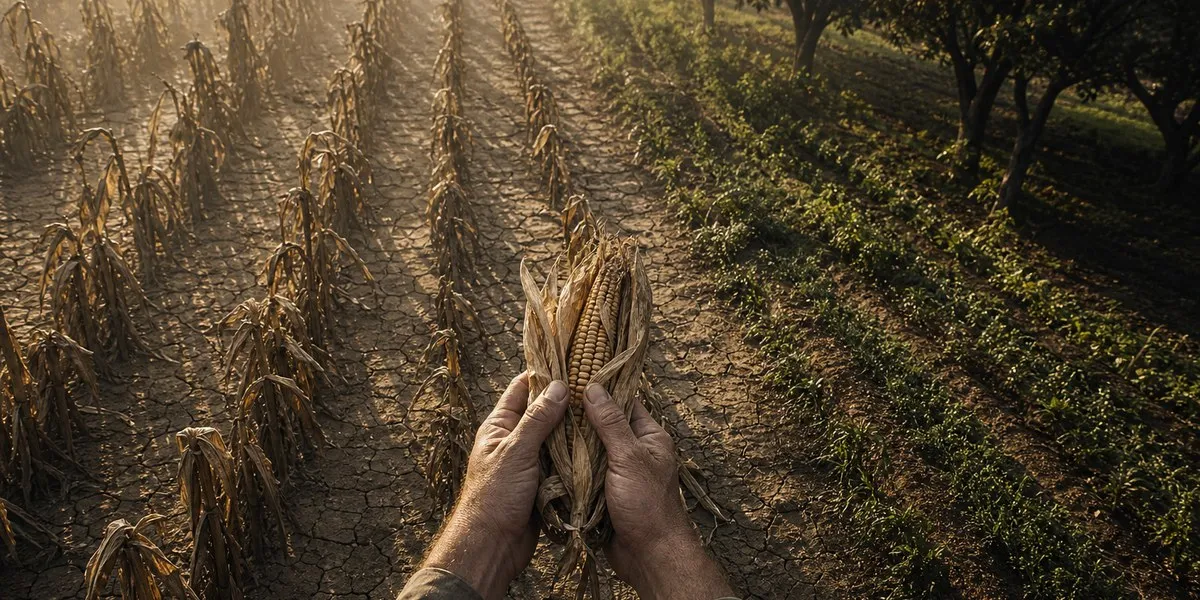
The 2026–2027 El Niño, which is already affecting, among others, smallholder farmers in Indonesia, could cause acute hunger for another 49 million people, the UN forecasts. According to this forecast, southern Africa and Central America could be hit hardest, where heat, drought and heavy rains threaten harvests.
As Mongabay reports, the risks concern supplies of rice, corn, cocoa, coffee and palm oil. In Indonesia, palm oil suppliers are already reporting losses due to the prolonged drought linked to El Niño. In Sudan, delayed rains are increasing the risk of widespread hunger, while farmers in Guatemala report a sharp decline in harvests for their own consumption.
The governments of El Salvador, Honduras and Panama have declared a state of emergency because of El Niño. Bolivia and Peru have also made similar decisions. Experts note that small farms are particularly vulnerable, as climate risks emerge directly on farms, while financial and technical resources are mainly concentrated further along supply chains.
Crop losses in Africa and Colombia
The previous 2023–2024 El Niño caused a prolonged drought in southern Africa and hit corn production. In Zambia, drought reduced production by about 1.76 million tonnes, and its consequences affected more than one million farming households. According to Agrey Wamapesa, a consultant at the International Water Management Institute, crop failure in the country exceeded 40%.
More current news is available on the UA.News Telegram channel Telegram.
Carlos Isaza, head of Solidaridad's coffee programme in Colombia, recalled that during the 1997–1998 El Niño, yields in the country's coffee-growing regions fell to 60%. According to him, the 2015–2016 El Niño reduced Colombia's coffee harvest by about half. Surveys conducted by his team indicate losses of 20–30% this year, while the situation may worsen in the coming months.
Health risks and the need for support
Experts also warn of health risks for farmers and their families: prolonged work in dangerous heat, limited access to clean drinking water, and the spread of infectious diseases, including malaria and dengue. Economic losses from extreme weather can increase children's vulnerability to child labour, the report says, citing UNICEF research.
To reduce losses, specialists propose improving early warning systems, supporting the cultivation of drought-resistant crops, diversifying farmers' incomes, and investing in irrigation and rainwater harvesting. For coffee and cocoa, possible solutions include agroforestry, particularly planting resilient trees to shade plantations.




