
Energy agency chief says trust in Strait of Hormuz has been lost — CNBC
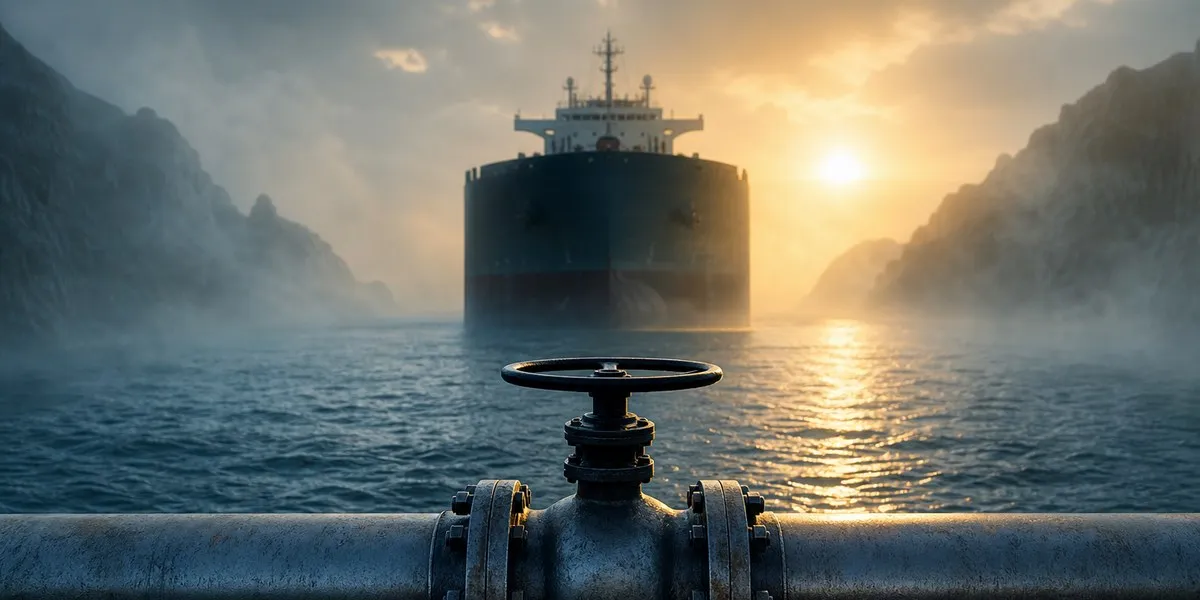
Against the backdrop of the war in Iran, International Energy Agency Executive Director Fatih Birol said he sees no convincing path to restoring the situation that existed in the Strait of Hormuz in February 2026. In a guest essay for The Economist, he stressed that the war had undermined trust in the strait as a safe and reliable route for energy and goods supplies, CNBC reports.
Risks to shipping
According to Birol, shipping through the Strait of Hormuz has already been blocked once, causing significant disruptions in the oil and gas markets. He noted that this situation could recur and that perceptions of risks surrounding the strait have changed for a long time.
Before the war began on February 28, the strait was one of the key routes for transporting oil and gas. At the same time, oil exports from Persian Gulf countries have partially recovered: in October, they exceeded 80% of their pre-war level, according to the agency's November report. U.S.-Iranian strikes that resumed this week interrupted the pause in direct confrontation and intensified doubts about the sustainability of the recovery in energy flows.
More current news is available on the UA.News Telegram channel Telegram.
Alternative routes and reserves
Birol drew attention to alternative routes, including pipelines in Saudi Arabia and the United Arab Emirates, which make it possible to bypass the Strait of Hormuz. According to him, many International Energy Agency members used emergency oil reserves during the crisis, which helped mitigate the economic consequences.
According to Birol's assessment, the energy shock hit Southeast Asian countries most severely, particularly the Philippines and Thailand. They are considering creating similar reserves. In the IEA chief's view, the crisis could also accelerate countries' transition to domestic energy sources, including solar and wind generation, and increase interest in nuclear energy. This requires more reliable power grids and energy storage systems.




