
Guinea-Bissau indefinitely postpones elections — Deutsche Welle
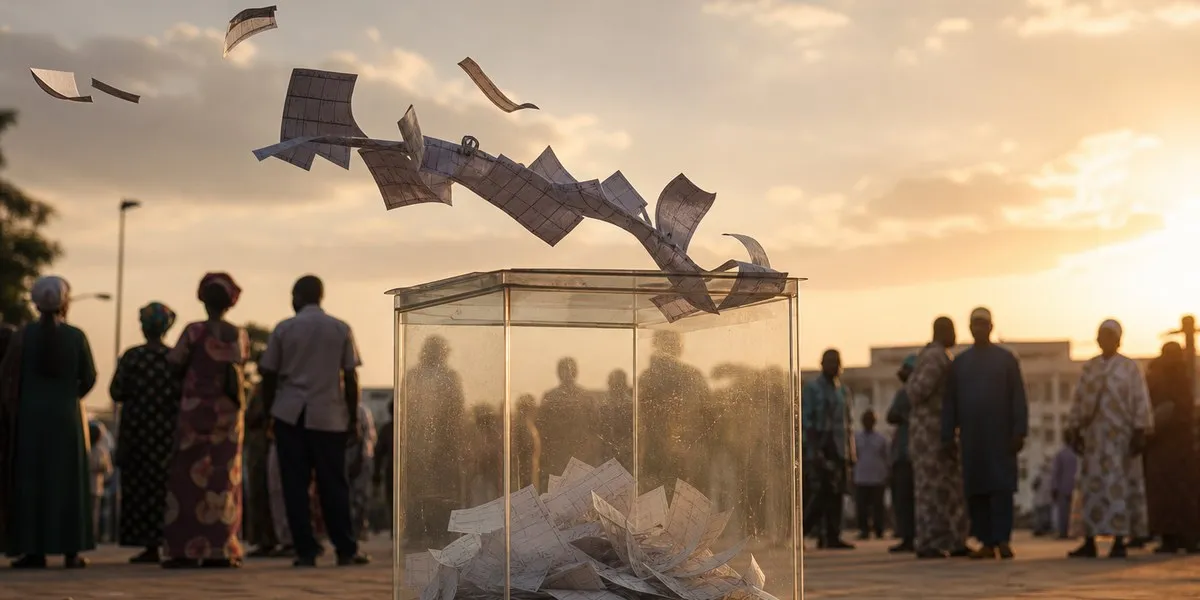
Guinea-Bissau’s transitional government has indefinitely postponed the presidential and parliamentary elections that were due to take place on December 6, 2026. A new voting date has not yet been set: the government first plans to discuss the matter at a cabinet meeting, Deutsche Welle reports.
The transitional government explained the postponement by a lack of organizational and political conditions for holding the elections. It remains unknown whether voting can be held in 2027 or whether it will be postponed until 2028.
Political activity restricted
Lawyer and political analyst Cabi Sanha called the postponement predictable. According to him, following the military coup, the authorities have made almost no effort to create conditions for credible elections. The deadline for submitting candidacies expired on October 6, but parties and potential candidates did not submit applications. The prime minister also stated that political forces had not held congresses to nominate candidates.
Sanha links this not only to organizational difficulties but also to restrictions on political activity and a lack of dialogue with participants in the electoral process. He noted that parties and civil society were insufficiently involved in preparing the vote, while mediation efforts by the Economic Community of West African States and Senegal have so far produced no results.
More current news is available on the UA.News Telegram channel Telegram.
Domingos Simões Pereira, the leader of the main opposition party PAIGC, was allowed to travel to Portugal for medical treatment in July 2026 after being released from custody. He had previously been held in detention as part of an investigation into an alleged coup attempt. The politician’s defense rejects the accusations and calls the proceedings politically motivated.
Controversial constitutional reform
The country’s political crisis has continued since November 26, 2025, when the military seized power before the results of the presidential and parliamentary elections were announced. At the time, incumbent President Umaro Sissoco Embaló and his rival Fernando Dias da Costa both claimed victory. The military leadership promised to return the country to constitutional order.
The situation was complicated by a constitutional reform approved in a referendum on August 30, 2026: about 70% of valid votes were cast in favor of the changes. They expand the president’s powers and reduce the size of parliament from 102 to 65 seats. Critics question the legitimacy of the reform, prepared under military rule without a regularly elected parliament; the opposition called for a boycott of the vote.
The transitional government also announced local elections in 2027. Cabi Sanha supported the idea but stressed that they cannot replace the presidential and parliamentary elections needed to return the country to constitutional order.




