
Iran considers intensifying attacks on tankers in the Strait of Hormuz — Jerusalem Post
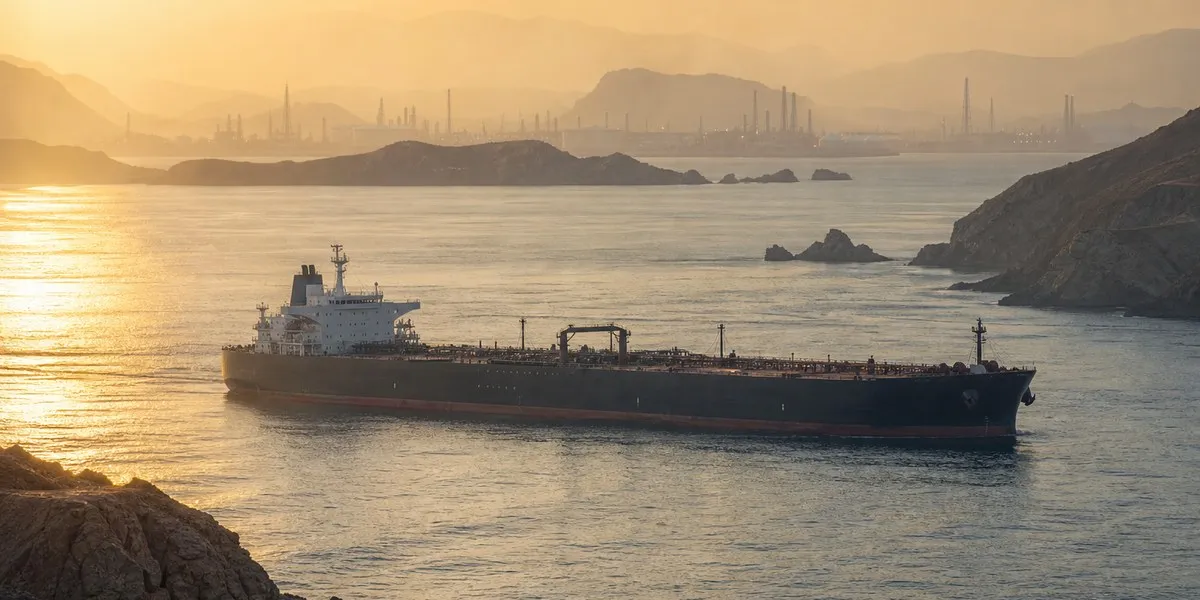
After the U.S. midterm elections, Iran strengthened its position in negotiations with Washington and developed plans to escalate the war, which may involve more active attacks on tankers in the Strait of Hormuz. This was reported by the Jerusalem Post, citing reporting by The New York Times and U.S., European and Iranian officials.
According to the publication, Tehran viewed the Republicans’ sweeping defeat in the elections as an expression of American voters’ dissatisfaction with U.S. President Donald Trump’s actions in the war with Iran. Iranian officials who spoke to the NYT anonymously said that the strategy of exerting economic pressure on American voters by blocking the strait had proven effective. They also see the election results as Iran’s victory over Washington and are prepared to make fewer concessions.
Dispute over the terms of an agreement
U.S. and European intelligence services, according to the NYT, believe that Tehran may still agree to a deal if it gains access to billions of dollars in frozen assets. At the same time, officials drew attention to Iranian plans for an escalation that could again raise prices for fuel and other goods.
More current news is available on the UA.News Telegram channel Telegram.
One of the main obstacles to an agreement is the sequence of actions by the parties. Current and former U.S. officials said that Iran is demanding sanctions relief and payments from Arab states before it allows ships to pass through the Strait of Hormuz. The United States insists that Iran must first stop attacking vessels, after which funds may be unfrozen or sanctions lifted. According to the NYT, Iranian plans may involve intensifying attacks on tankers that do not pay transit fees to Tehran. This dispute has already derailed previous rounds of negotiations.
Washington discusses next steps
According to the newspaper, President Trump is considering several options: a new attempt to reach a deal, resuming strikes, or reducing the substantial U.S. military contingent in the region. Some U.S. officials believe that new strikes, including against energy infrastructure, could further weaken Iran’s economy. Others recall that previous predictions of its collapse did not come true.
The NYT also reported that the United States and Israel received intelligence about alleged discussions among Iranian officials of the possibility of using chemical weapons or other unconventional attacks. At the same time, several U.S. officials expressed skepticism about this information. Indirect contacts between the sides through regional countries are continuing.




