
Iran reports damage to seven tankers near Strait of Hormuz — Al Jazeera
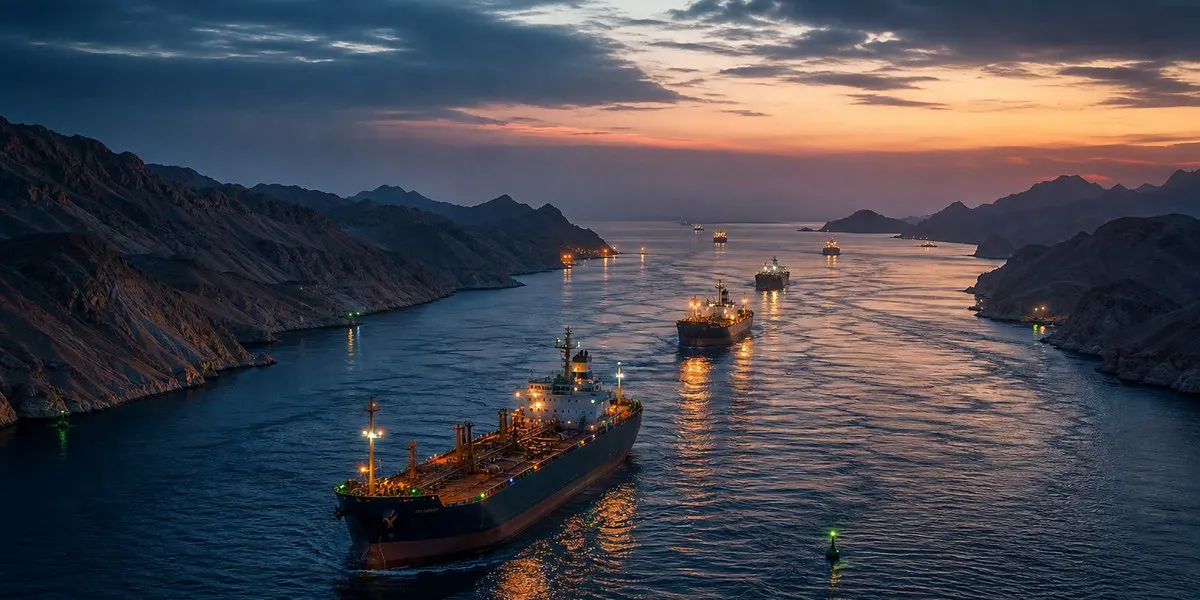
Iran said that seven oil tankers caught fire or were damaged in the area of the Strait of Hormuz between Iran and Oman. The Islamic Revolutionary Guard Corps also warned that new US attacks could trigger a broader response from Tehran, Al Jazeera reports.
According to the outlet, analysts consider a US strike before the November 3 midterm elections unlikely, but harsh rhetoric from both sides has heightened fears of renewed attacks. Control over the Strait of Hormuz and Iranian nuclear facilities have become the focus of the conflict.
Straits and energy have become targets
Before US and Israeli strikes on Iran began on February 28, the Strait of Hormuz was not a key issue in negotiations, which at the time concerned Tehran's nuclear program and its regional allies. Before the war, one-fifth of global oil and liquefied natural gas supplies were transported through this waterway.
Now, shipping in the strait has been significantly disrupted, according to Al Jazeera, due to Iranian threats and attacks on vessels, as well as a blockade of Iranian ports backed by the United States. Oil and gas supplies have sharply declined. The resumption of hostilities in Yemen has become an additional front: Yemen's Houthis are attacking Saudi airports and oil infrastructure with missiles and drones. This also creates risks for shipping in the Bab el-Mandeb Strait.
More current news is available on the UA.News Telegram channel Telegram.
The costs of war and pressure on the sides
In April, Iranian authorities estimated direct and indirect damage from US-Israeli strikes at $270 billion. Official statistics cited by the outlet showed that Iran's GDP contracted by 10.1% year-on-year between March 21 and June 20. The country's energy exports are constrained by the blockade, and the Iranian rial has depreciated.
The United States is also bearing significant costs. In September, the Congressional Budget Office estimated the conflict's cost to the Pentagon at $38 billion as of August 1 and projected further monthly spending of $2–3 billion depending on the intensity of hostilities.
The war has also affected energy markets: Brent rose from $72.48 per barrel on February 27 to $126.41 on April 30, and stood at $114.47 at the start of trading on Friday. In October, the International Energy Agency warned that supply restrictions could persist until 2027.




