
Israeli historian studies SS cards with 21 physical traits — Jerusalem Post
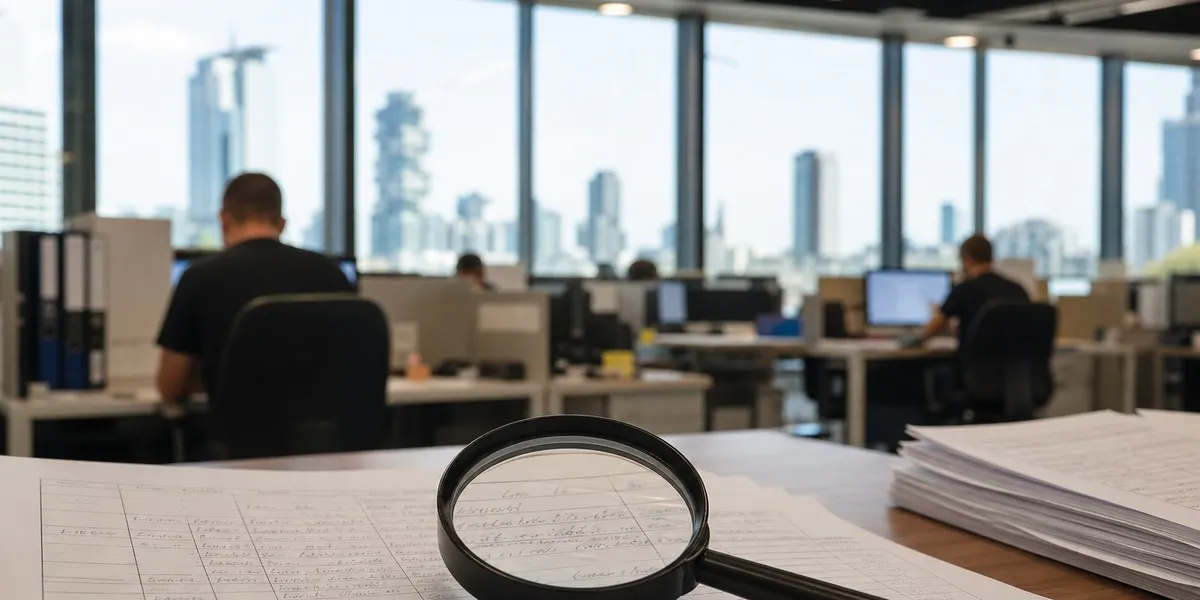
In Israel, Tel Aviv University historian Amir Teicher studied Nazi SS racial cards in which people were classified according to 21 physical traits. As the Jerusalem Post reports, his article was published on November 1 in the journal Berichte zur Wissenschaftsgeschichte and is based on wartime documents held in Germany’s Federal Archives.
Ratings for physical traits
Examiners recorded traits on standardized forms and assigned scores from one to five. They separately noted a person’s purported racial composition, suitability for the SS, and family classification.
Characteristics entered on the cards included the nose, eye color, shape of the back of the head, hair texture, and body hair. The back of the head could be marked as protruding, rounded, or flat, while hair was classified from straight to tightly curled.
More current news is available on the UA.News Telegram channel Telegram.
Selection for Germanization
These pseudoscientific examinations were part of Nazi policy to identify people considered suitable for Germanization in occupied European territories. According to Teicher, SS specialists examined more than one million people during the war.
The historian began the research project in 2019. He noted that important information may be lost when handwritten markings are converted into data: even the location of a mark within a box could matter. The current article focuses on methods of working with the cards, while Teicher plans to present conclusions about the logic behind the examiners’ decisions separately.
The consequences of racial selection can be traced, among other cases, after the destruction of the Czech village of Lidice in June 1942. According to the United States Holocaust Memorial Museum, SS personnel examined children from the village who were sent to occupied Poland and selected nine of them for Germanization. They were given German names, taught German, and placed with German foster families through the Lebensborn program. German authorities killed about 80 other children from Lidice who were not selected; available evidence indicates that they were gassed at the Chełmno killing center.




