
Iran’s leader Khamenei calls for involving all Iranians in Basij — Jerusalem Post
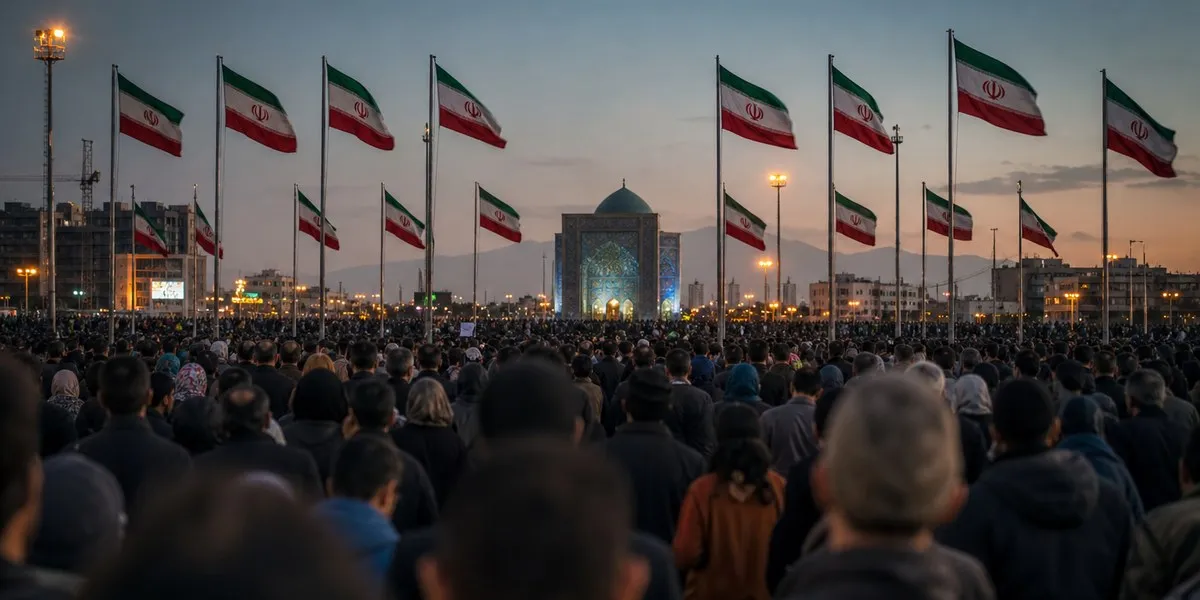
Iran’s Supreme Leader Mojtaba Khamenei on November 26 called for the transformation of the Basij paramilitary organization and the implementation of the slogan that every Iranian should be a Basiji. In messages for Basij Week, he said the organization must undergo a “transformation and rebirth,” The Jerusalem Post reports.
Khamenei said changes in the Basij should take place in parallel with the growth of what he described as the organization’s spirit in the country. He also claimed that its ideological influence already extends beyond formal membership: Iranian army servicemen, Islamic Revolutionary Guard Corps personnel, police officers, officials and members of parliament allegedly identify themselves with the Basij.
Plans to spread ideology abroad
Basij commander Hossein Taeb said during an event for Basij Week that the next stage in the organization’s development should be the spread of its ideology and ideas of “resistance” around the world. According to Iranian state media, he said that after seeking to make every Iranian a Basij member, the organization would move toward the international spread of this approach.
More current news is available on the UA.News Telegram channel Telegram.
Taeb, who previously headed the intelligence organization of the Islamic Revolutionary Guard Corps, was appointed head of the Basij on August 10 after the death of the previous commander, Gholamreza Soleimani, as a result of U.S.-Israeli strikes. Last week, he demanded more active involvement of the structure in schools and universities, including in identifying children with scientific abilities as early as primary school.
The Basij’s role in internal security
The Basij was founded on November 26, 1979, by Iran’s first supreme leader, Ruhollah Khomeini. The organization, whose name translates as “mobilization,” became prominent during the 1980–1988 Iran-Iraq War.
In the following decades, the Basij built a network of units in mosques, schools, universities, government institutions and workplaces. The publication notes that this structure became one of the instruments of ideological influence and Iran’s internal security system. Its members have been linked to the brutal suppression of major anti-government protests, including the 2009 movement, protests in November 2019, and the “Woman, Life, Freedom” protests in 2022. Human rights organizations, according to the publication, documented the presence of Basij battalions among Iranian security forces responsible for the mass killings of protesters and bystanders in January. According to the source’s estimate, about 50,000 people were killed on January 8–9.




