
mRNA therapy increased mice’s blood volume per heartbeat by 10% — News-Medical
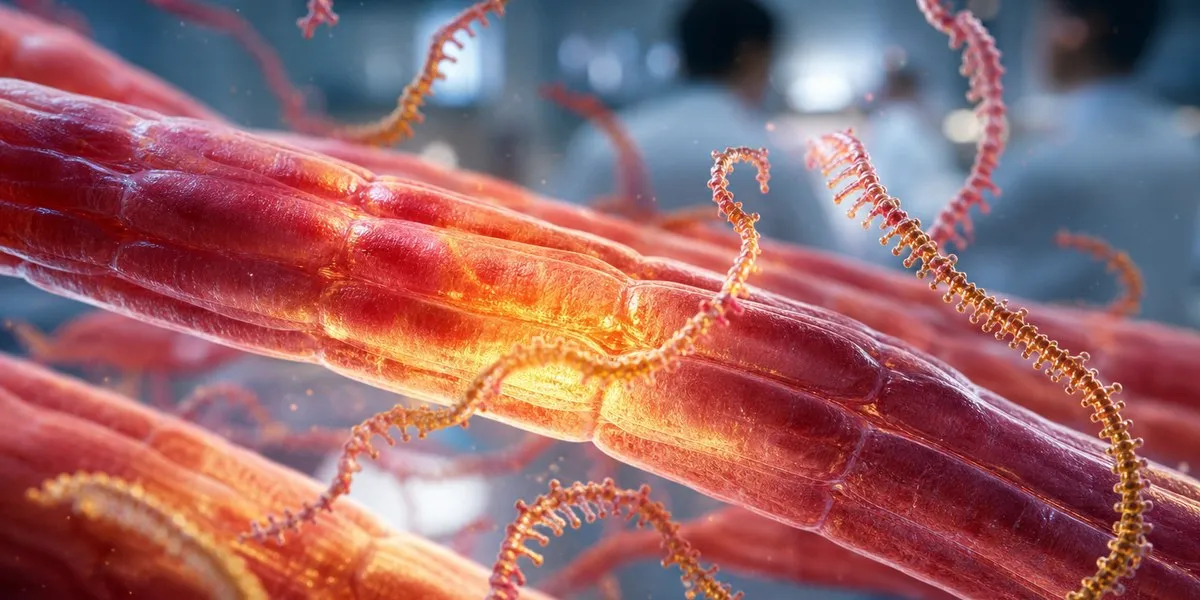
In the United Kingdom, researchers at the University of Cambridge have developed an experimental mRNA therapy designed to temporarily stimulate heart muscle cells to divide and repair damaged tissue. In experiments on mice after a heart attack, the treatment strengthened heart contractions and increased by about 10% the volume of blood pumped in a single contraction compared with animals that received a sham treatment, News-Medical reports.
How the therapy works
After a heart attack, the drug was injected directly into the mice’s hearts, and the results were assessed using echocardiography. The therapy uses modified messenger RNA to temporarily activate two proteins in cells: Myc and cyclin T1. According to the scientists’ plan, this should promote the repair of heart tissue.
The researchers noted that the treatment’s effect is local and short-lived. They do not expect the approach to cause permanent changes in heart cells, which should reduce the risk of excessive tissue growth. No side effects were recorded in mice. Follow-up examinations after 28 days and 12 weeks showed that the improvement in heart function persisted.
More current news is available on the UA.News Telegram channel Telegram.
Prospects for treating heart failure
After a heart attack, the adult human heart can lose up to one billion heart muscle cells. Unlike many other organs, the adult human heart is unable to replace lost cells, which can lead to scarring, heart failure and death.
Study co-senior author Katherine Wilson, an associate professor in the Department of Pharmacology and at the Gurdon Institute of the University of Cambridge, stressed that the result is not a complete cure for heart failure. According to the source, even small improvements in heart function are associated with lower patient mortality and a better ability to perform everyday tasks.
The team received funding from the British Heart Foundation to continue the work. Before moving to human trials, the method must be tested in larger animal models to establish its safety and effectiveness. The study results were published in the journal Nature Cardiovascular Research.




