
Mura report sacred springs drying up due to road construction in Brazil — Mongabay
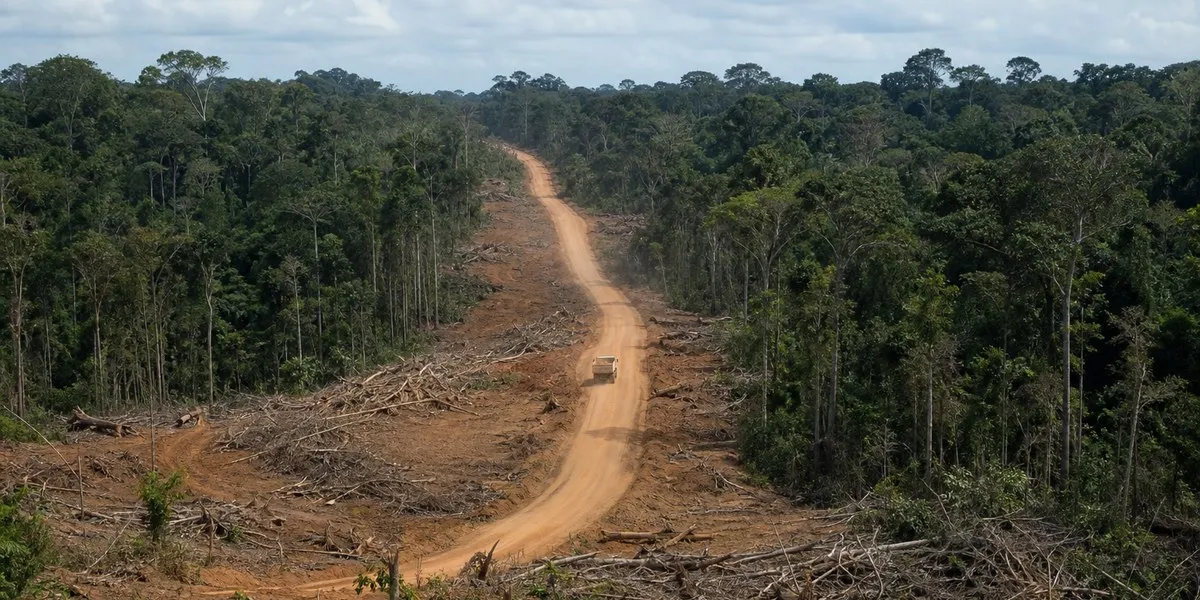
Representatives of the Mura Indigenous people said that the construction of an access road to the Potássio Autazes potash project in the municipality of Autazes, Amazonas state, Brazil, has caused at least two sacred springs to dry up. According to residents, this threatens a fish spawning area as well as the community’s access to water and food, Mongabay reports.
The head of Lago do Soares village, Filipe Mura, called the situation a profound loss for the community. In Mura traditional beliefs, springs, rivers, lakes and forests have guardian spirits. Community representatives say the disappearance of the springs disrupts their spiritual connection to the territory and threatens the transmission of traditions to future generations.
Claims of harm to water and fish
Milena Mura, president and coordinator of the Mura Indigenous Women’s Organization, claims that sacred springs were covered with soil during road construction. According to her, this blocked the flow of water to a place where fish spawn during the dry season. She also reported the deaths of many fish, which are the main food source for the Mura.
More current news is available on the UA.News Telegram channel Telegram.
Potássio do Brasil said it conducted a technical inspection on October 8, 2026. According to the company, the inspection found no signs that the mentioned spring had dried up or evidence that the internal access road could have altered its water flow. The company said it would continue monitoring and conduct additional inspections.
Licenses challenged in court
In April 2024, the Amazonas State Environmental Protection Institute issued Potássio do Brasil licenses to build a mine, processing plant, port and a 13.7-kilometer access road. The company is the Brazilian subsidiary of Canada’s Brazil Potash Corp. According to the company’s estimate, the future underground mine could supply about 20% of Brazil’s potash needs.
Brazil’s Federal Prosecutor’s Office challenged the issued licenses in May 2024, citing possible violations of Mura rights, insufficient consultations and irregularities in the licensing procedure. Prosecutors said the court cases are still under consideration, while expert assessments they commissioned described the project’s environmental studies as incomplete and flawed. The federal Indigenous affairs agency Funai also requested that licensing be suspended.




